Between Strangers and Myself
I took this photograph almost instinctively.
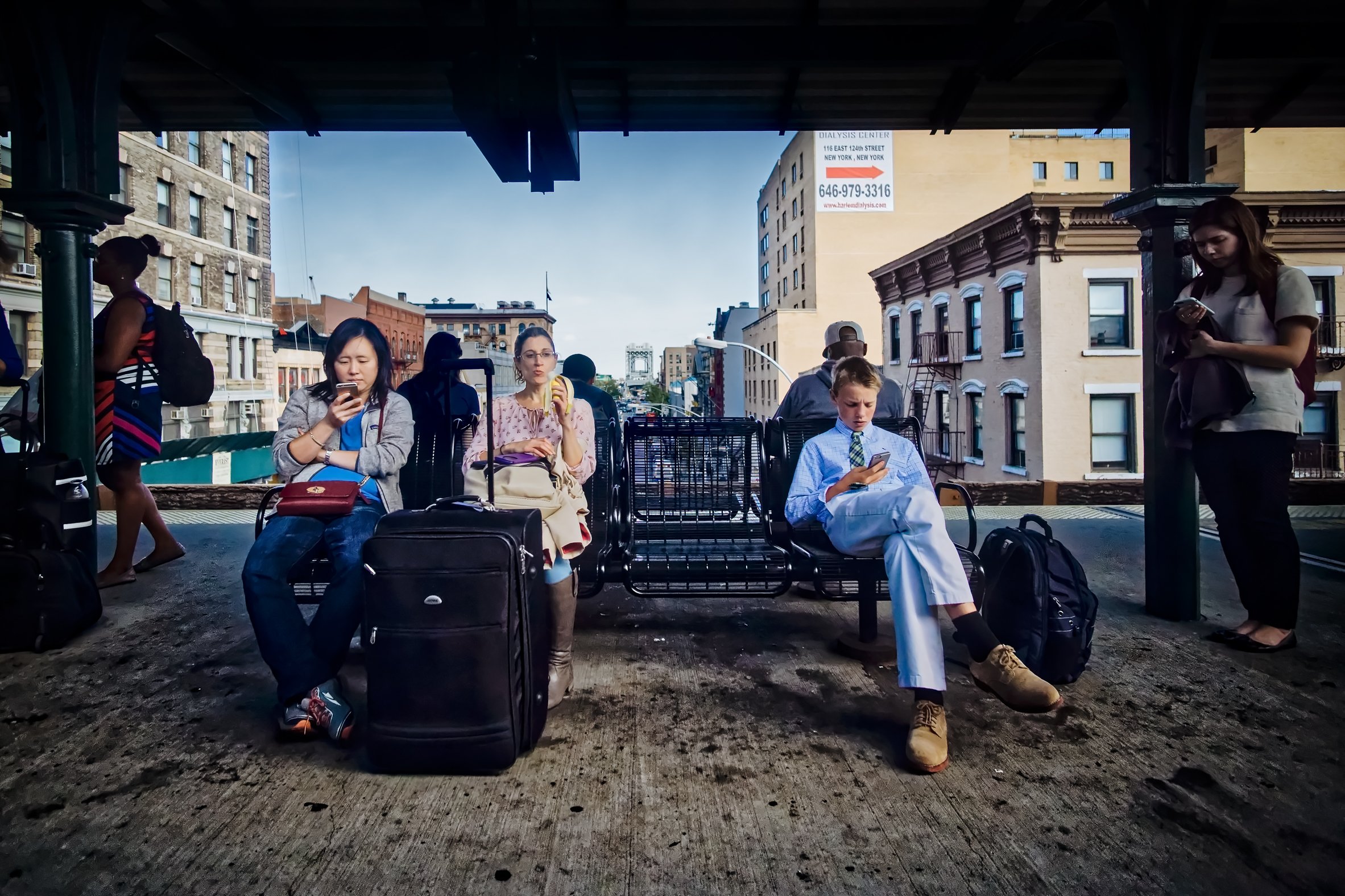
I was sitting on an express train heading north on the Hudson Line, on my way back to Westchester, which I still think of as home. We passed the station on 125th Street, and for an instant I saw this arrangement of people beneath the elevated tracks: strangers sitting, standing, waiting, absorbed in their phones, fall sun in this gentrified section of the city. I lifted the camera and made the photograph. That was it.
I didn’t stop to study them. I didn’t know their stories. I wasn’t looking for a particular gesture or waiting for something to happen. The scene appeared, and almost as quickly, it was gone.
Yet I have returned to the photograph many times.
Perhaps because I have been fascinated since I was young by a problem that seems both obvious and impossible to resolve: we live among other consciousnesses, yet we can never actually enter them. I experience my own thoughts directly; or at least I think I do. I can never experience yours in the same way. I can observe your face, listen to your words, notice your gestures, imagine what you might be feeling. But there is always a wall between us.
We are surrounded by people whose inner lives are as vast and complicated as our own, and yet most of the time we know almost nothing about them.
Look at these people. I don’t know where they came from or where they were going. I don’t know what the woman on her phone had just read, what the young man in the blue gazing at his phone was thinking, or whether the woman standing on the right was waiting for someone. I don’t know what any of them had experienced that afternoon. I don’t know what awaited them when they eventually reached wherever they were going.
The photograph gives me their presence without giving me their lives.
And perhaps that is what has always fascinated me about photography. It offers the appearance of intimacy while reminding us of how little we can actually know.
Lately, I’ve been thinking about Fernando Pessoa again, particularly his strange understanding of the fractured self. His writing seems to circle around the difficulty of being a person who is at once the observer and the thing being observed. We imagine ourselves as singular beings, but the closer we look, the less certain that becomes. There are versions of ourselves that appear depending on where we stand, whom we are with, what we remember, and what we imagine ourselves to be.
But there is another paradox here that interests me even more.
If other people are ultimately unknowable, how can we understand ourselves without them?
Perhaps we need other people as mirrors.
Not because the reflection they give us is necessarily accurate, but because it gives us something against which to measure our own existence. We recognize loneliness in someone else because we have experienced our own. We recognize hesitation, desire, boredom, anticipation, embarrassment, joy. We see fragments of ourselves in people whose lives we will never know.
The stranger remains a stranger, but somehow becomes a mirror.
Maybe that is what happened on 125th Street that afternoon. I was passing through, moving toward what I called home, and for a fraction of a second I encountered these people moving through their own lives. They knew nothing about me. I knew nothing about them. Our worlds touched only because a train happened to pass a platform at precisely the right, or perhaps completely accidental, moment.
And yet I saw something familiar.
Not their individual stories. I could never know those.
Something more fundamental: people trying to get somewhere, carrying their possessions and their private thoughts with them, temporarily sharing the same piece of ground while remaining sealed inside their own worlds.
Perhaps that’s what photography gives me at its best. Not knowledge, exactly. Something closer to recognition.
I cannot know these people.
But I can look at them and wonder what it means to be one of them.
And in doing so, perhaps I am also looking at myself.
Home, Without the Algorithms
I left Substack behind and returned to a quieter space of my own—a place where I can grow, fail, and follow the light without worrying about algorithms.
Reactivated my Squarespace this weekend. I’d canceled my subscription months ago, convinced Substack might be a better home after hearing YouTube photographers hype it as the “next Instagram” for visual creators. But once I dove in, I realized those currents run fast—and they favor a certain kind of talent and timing. There are hundreds of incredible photographers on there now, many of whom have earned their followings. A few posts were enough to show me that whatever I was putting out simply wasn’t going to surface in that sea. Accepting that took some humility, but truth has a way of tapping your shoulder until you face it.
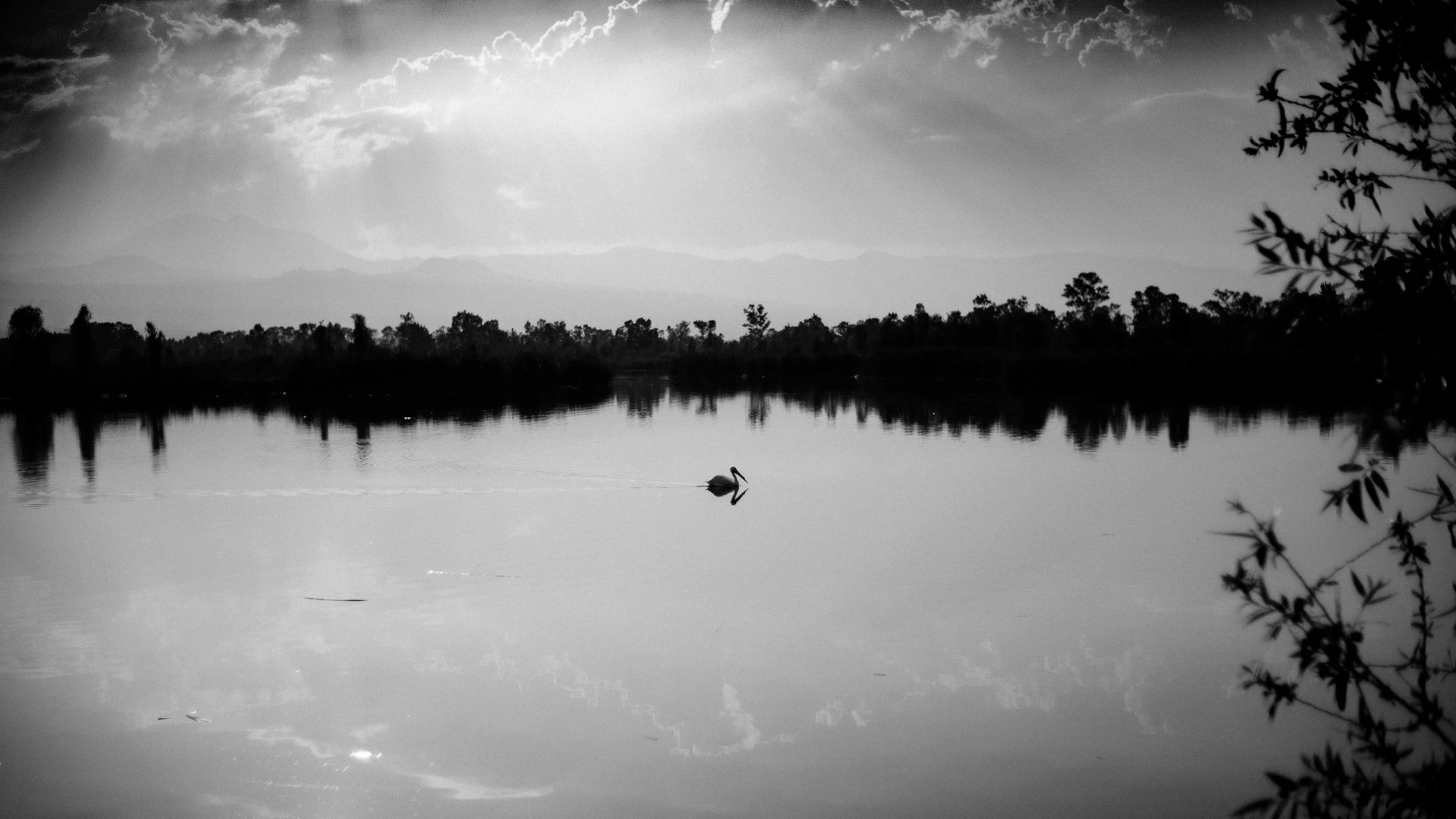
At Cuemanco in Xochimilco, where my wife and I often wander on slow Sunday mornings or chase the warm glow of golden hour.
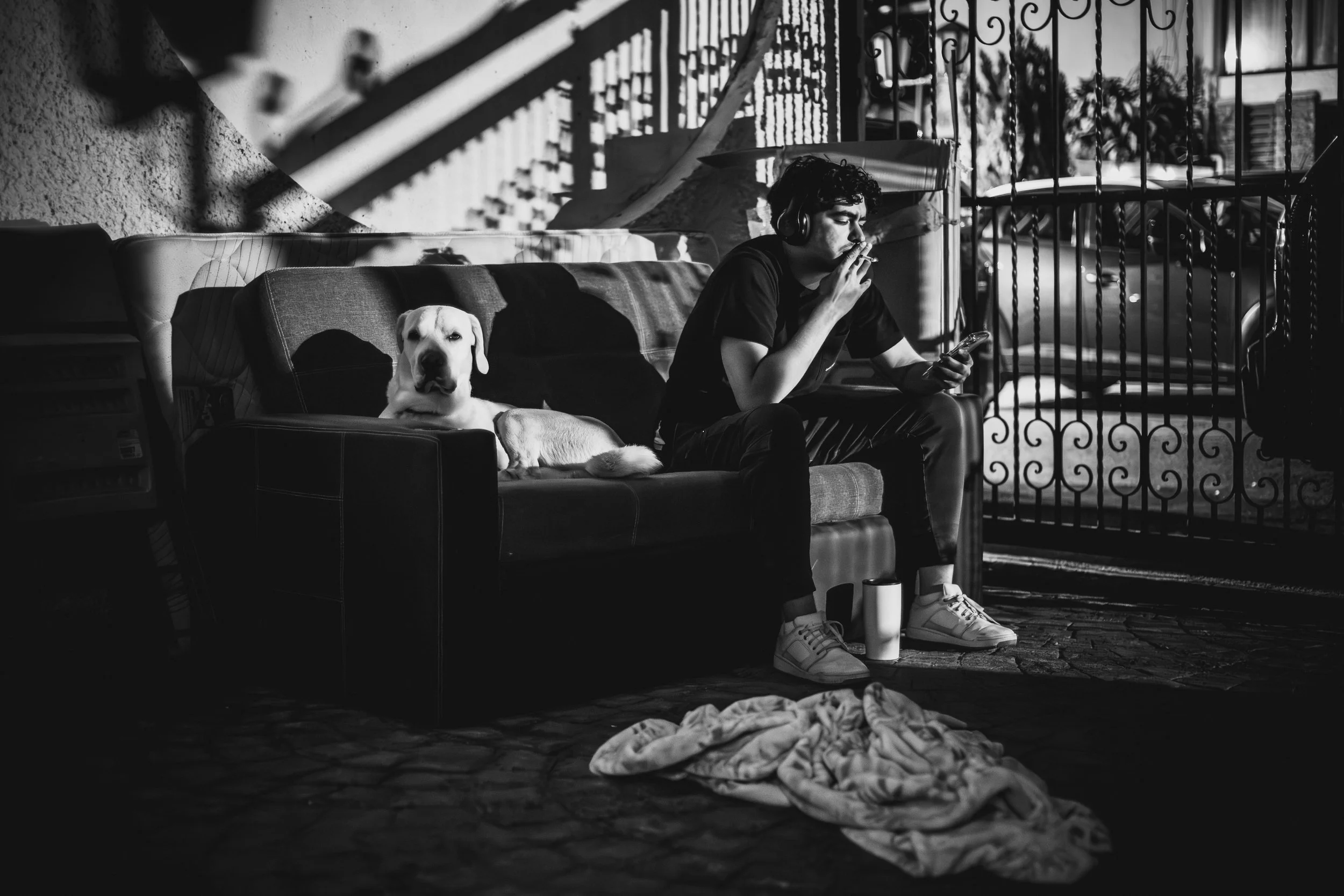
My son and his dog lounging on the couch outside our house as dusk settled in—him smoking, lost in his phone, the night easing open around them.
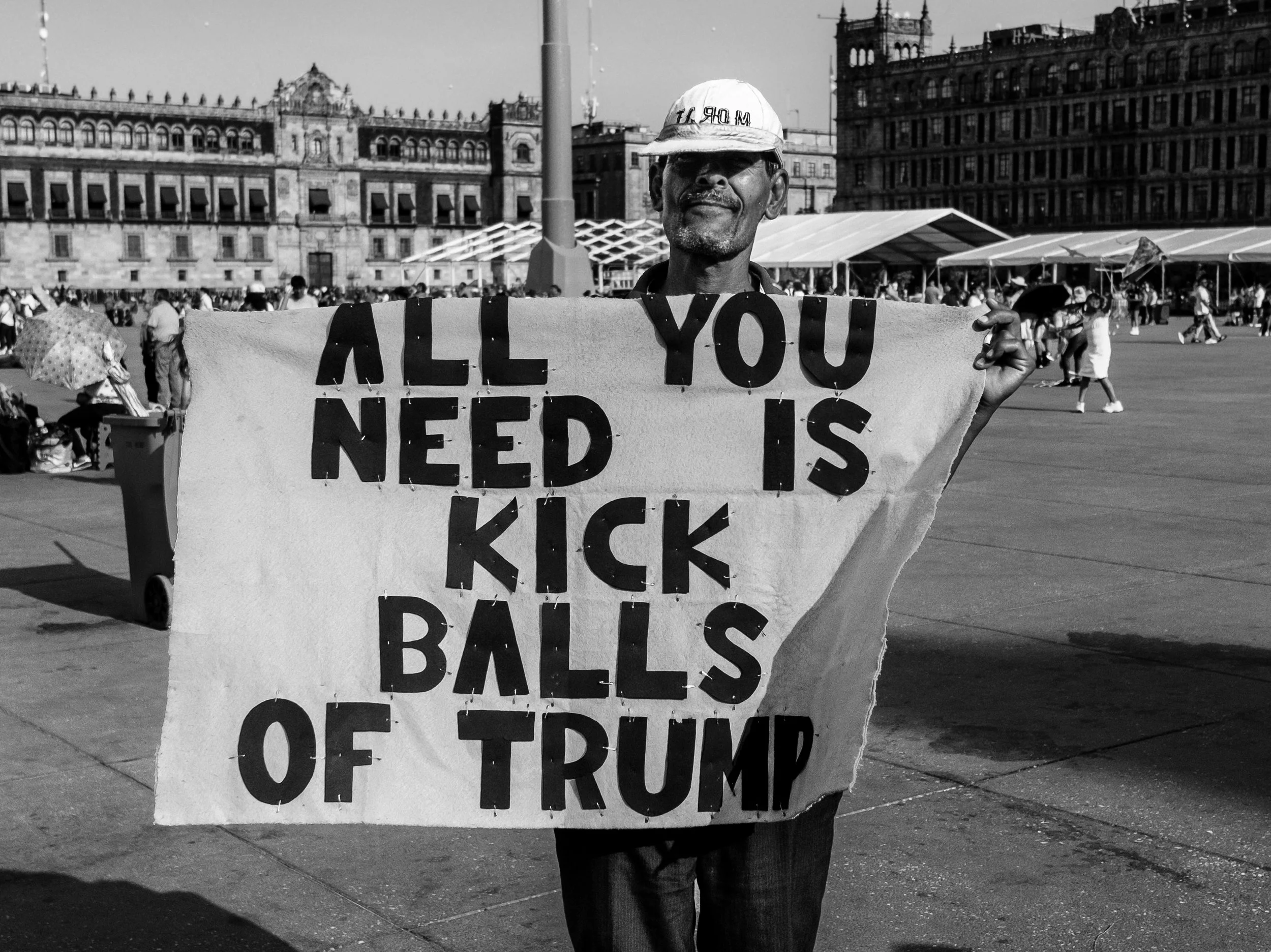
Every so often, the streets toss you a punchline. This guy delivered it without saying a word.
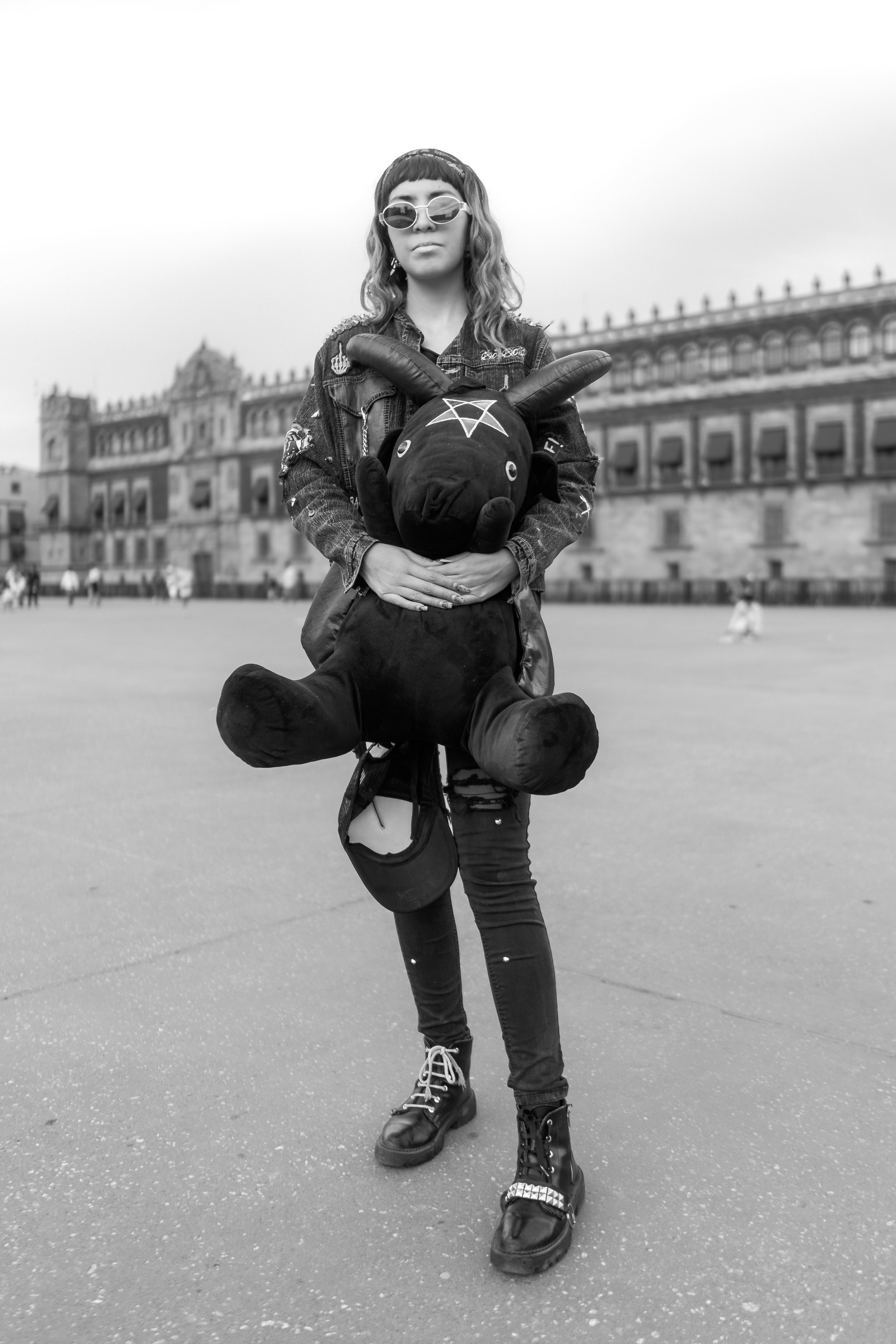
She showed up dressed head-to-toe in black, cradling a tiny satanic-looking plush—but swore she wasn’t a satanist. “I just like the vibe,” she said. How could I not stop for that?
So I cleared out the handful of posts I’d shared, took a breath, and returned to the quieter space of my own blog under a new domain.
I can’t afford photography school, and I’m probably past the age where finding a mentor feels realistic. So I’ve kept walking this path alone, as I have for more than a decade—learning, stumbling, doubting, and still somehow refusing to put the camera down. Why? Because the moment I step outside, the world starts speaking in light. And how do you turn away from that? How do you ignore something that pulls you forward again and again?
I go where the light leads—sometimes with a camera, sometimes without, but preferably with one so I can try to catch not just what I see, but what it makes me feel. Maybe someone out there will feel it too.
So I’m back here, in a space that’s mine—free from the push to please an algorithm or chase attention I’m not built for. Maybe a few people will stop by; maybe not. But in this corner of the internet, I get to experiment, fail, grow, and keep walking toward whatever the light shows me next.
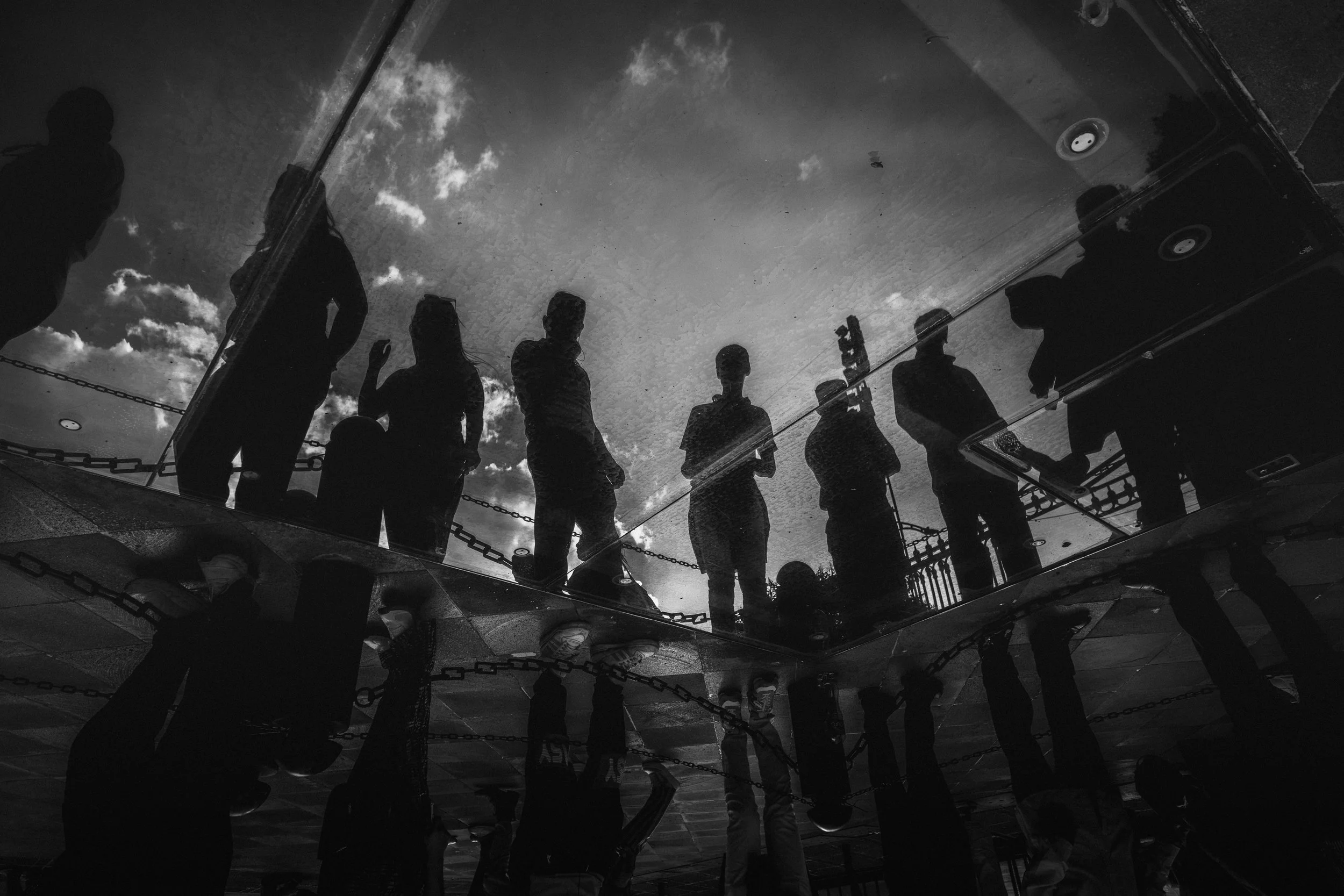
Silhouettes and sky colliding in a reflection outside the cathedral—an ordinary moment turned upside down.
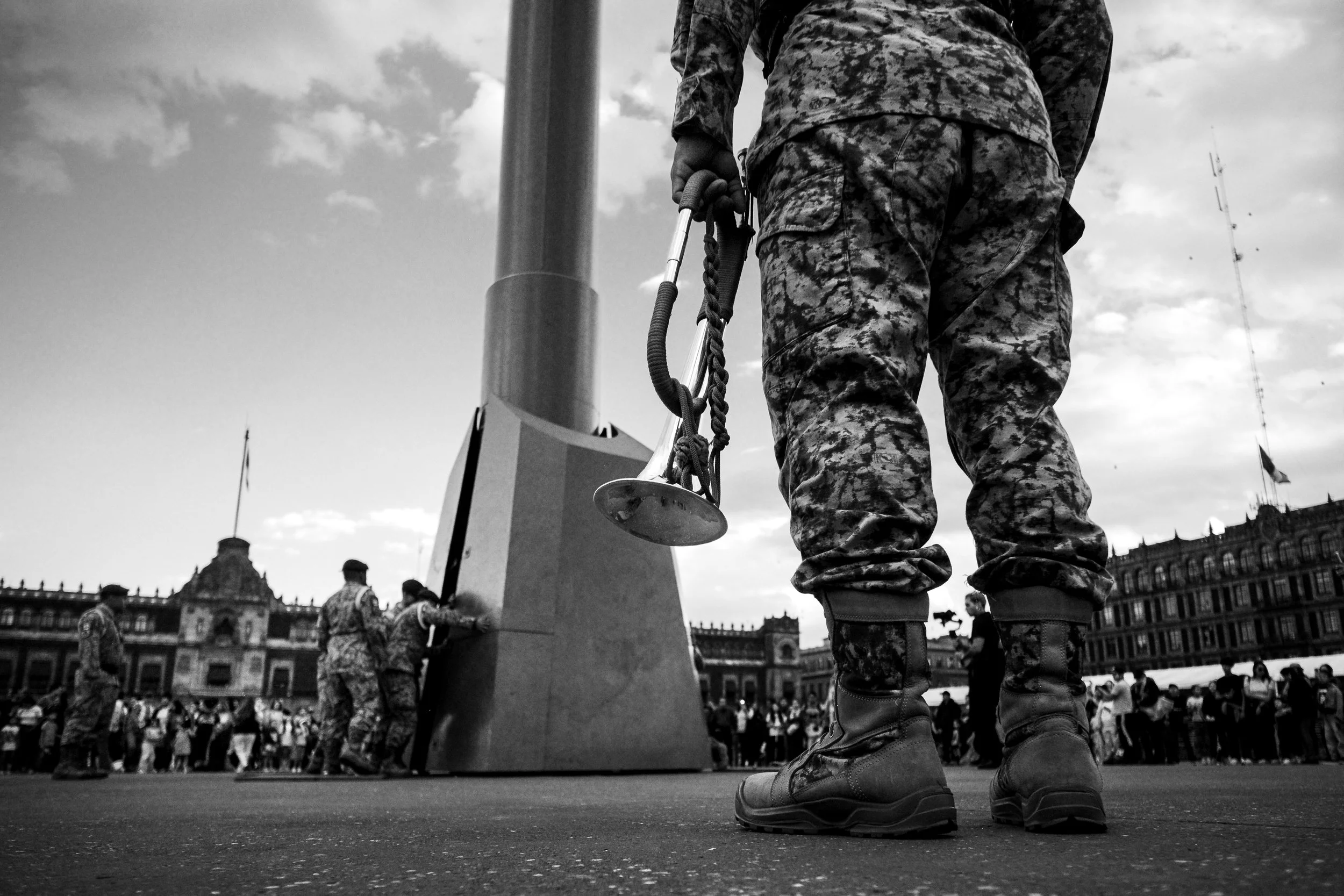
A soldier holding his trumpet, watching his fellow soldiers complete the flag-lowering ceremony in the Zócalo.
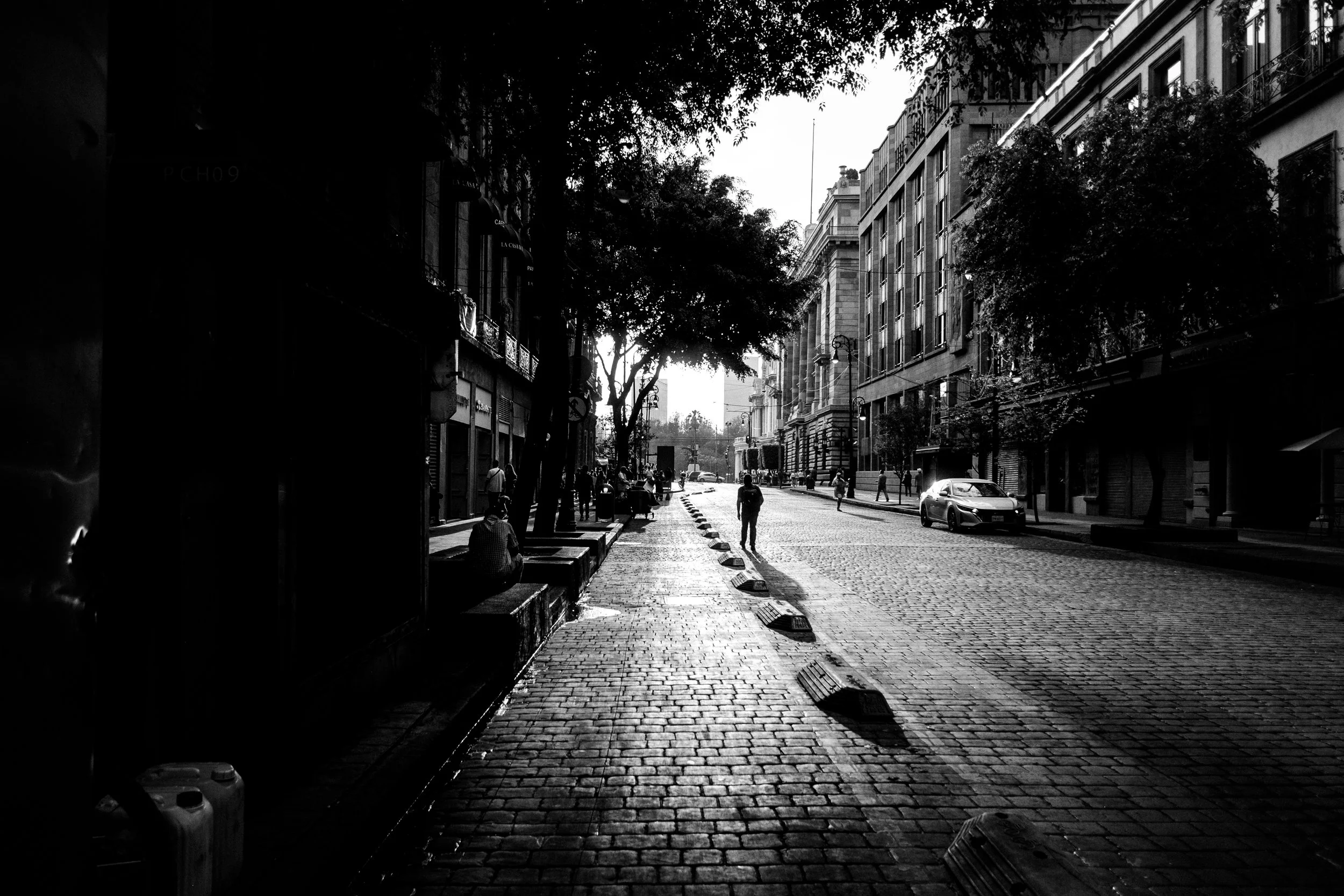
A hushed slice of 5 de Mayo in black and white, captured on a Sunday afternoon as the sun drifted lower.
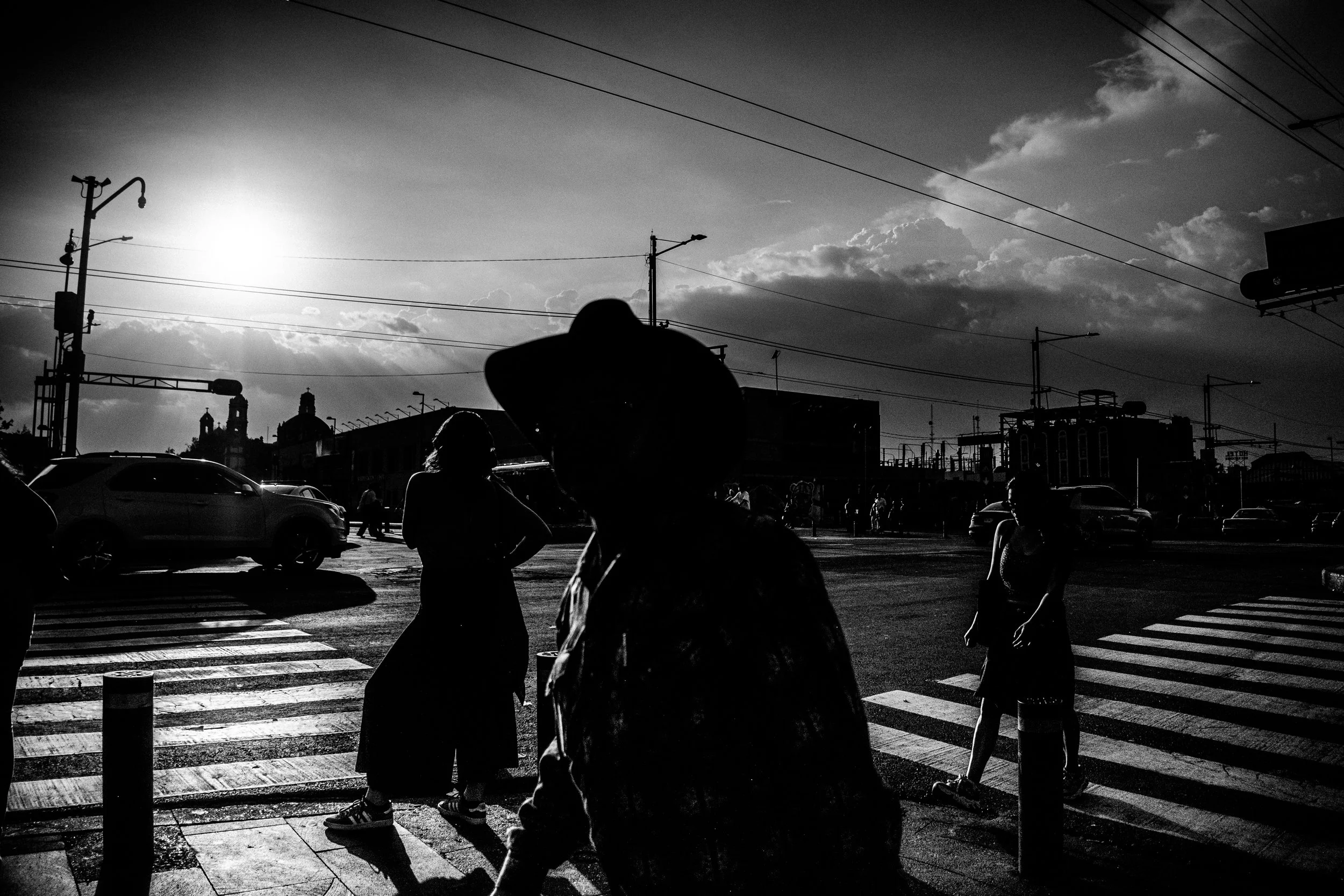
Silhouettes moving through Eje Central and Juárez, the low golden-hour light sharpening every outline in black and white.
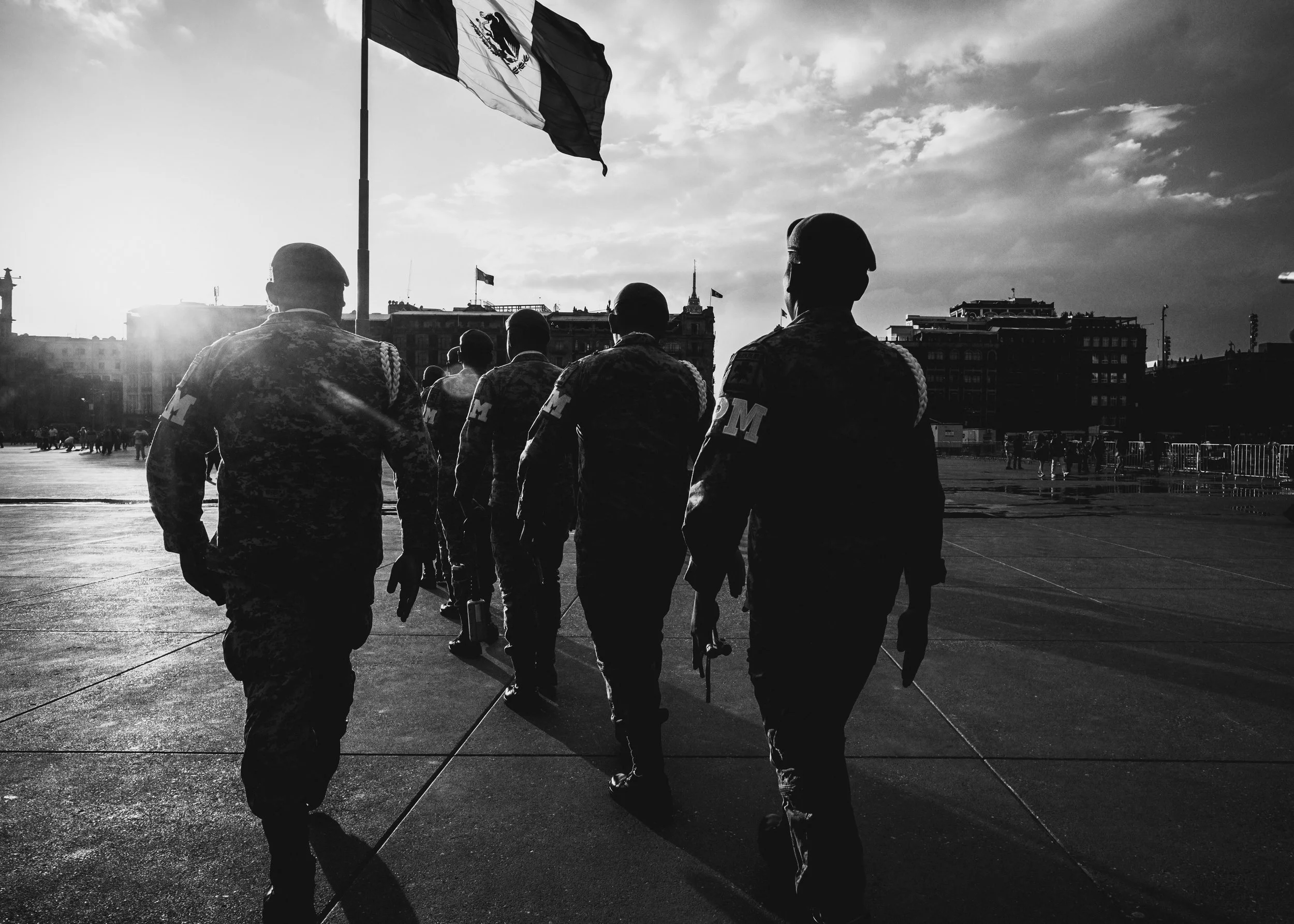
Soldiers marching toward the flag in the Zócalo as they prepare to lower it for the day.
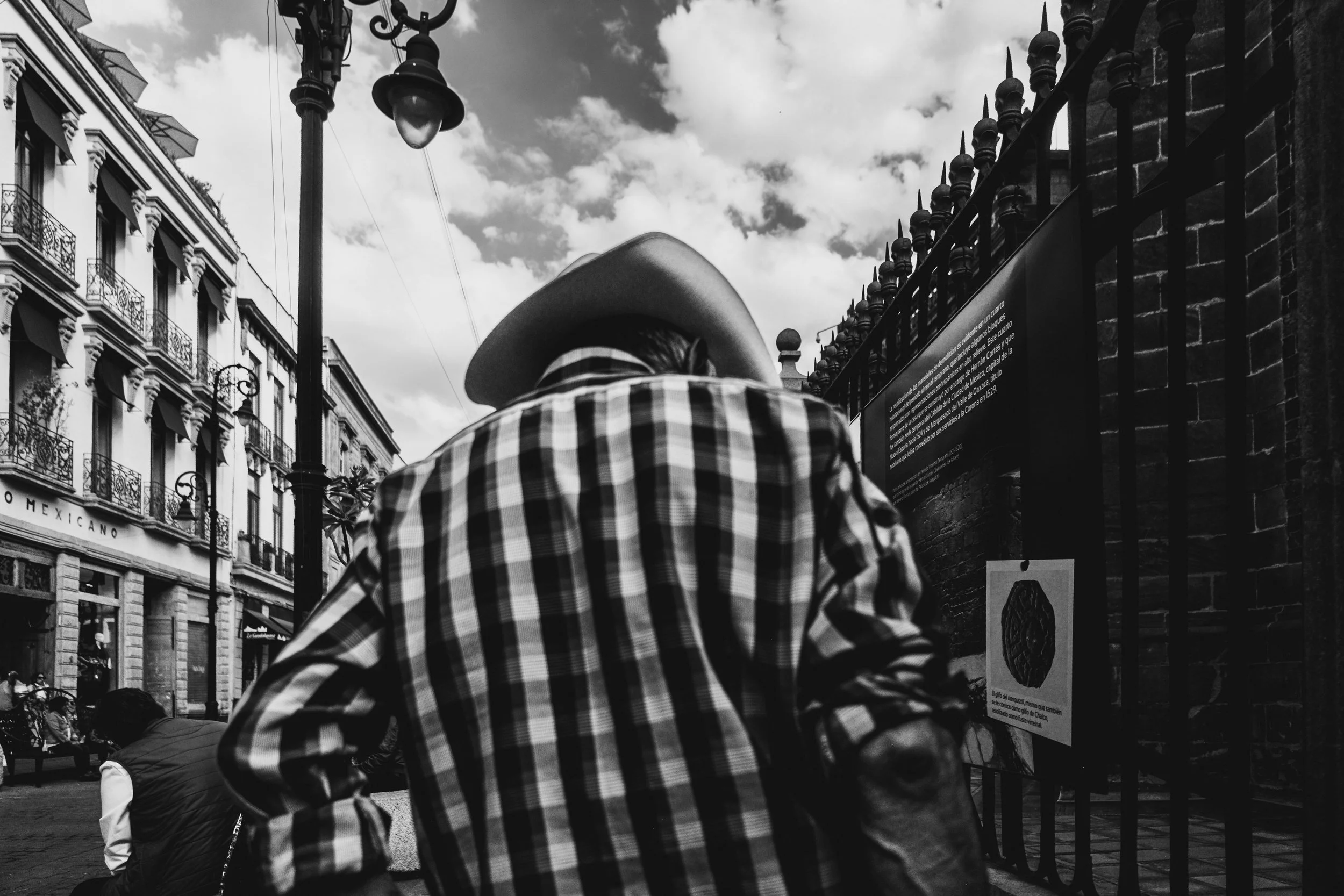
I don’t often shoot from behind, but his hat, his clothes, and that quiet walk toward the Templo Mayor stopped me.
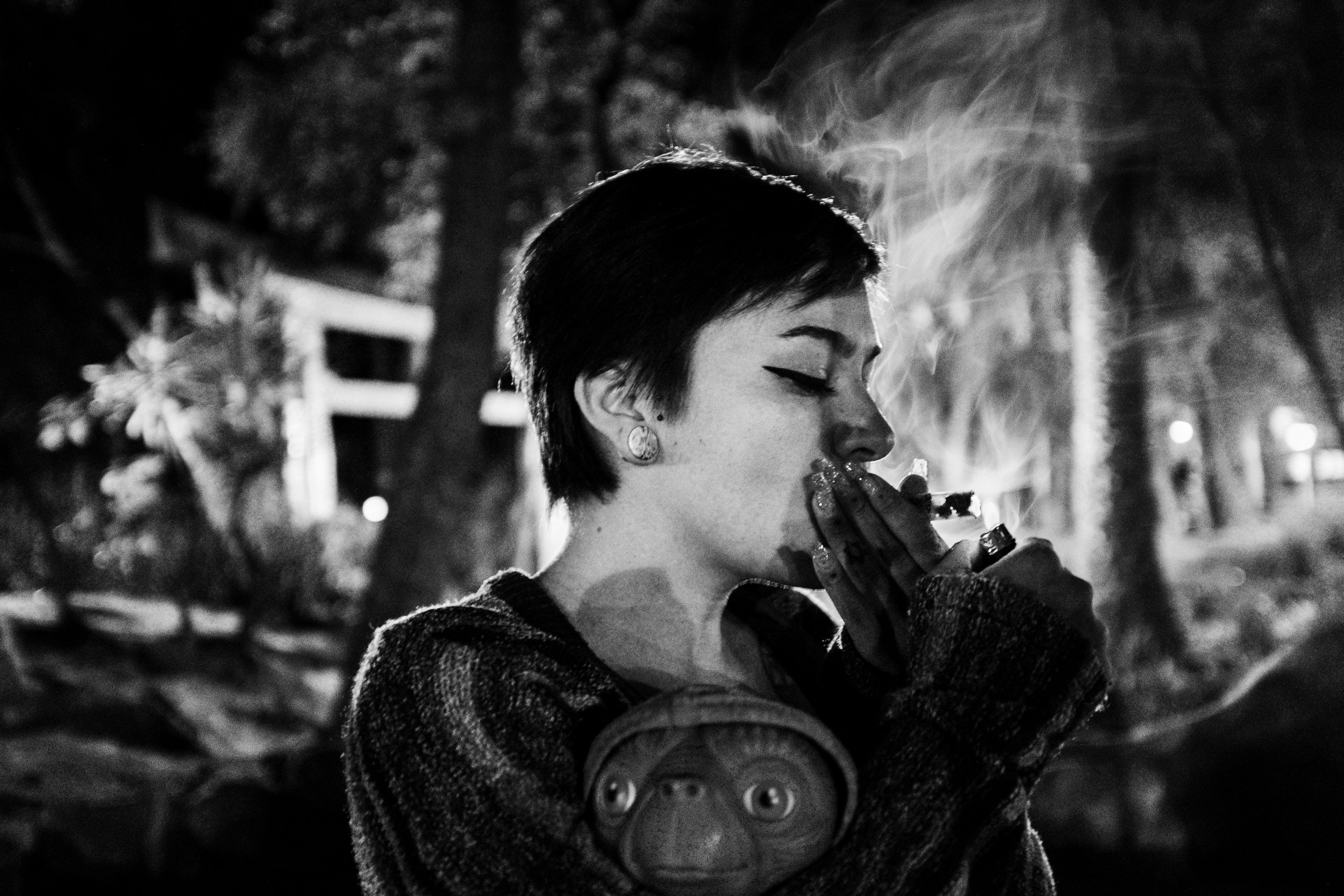
Nash taking a hit from her pipe, holding the little ET I’d given her—just one of those easy, in-between moments during our photo session.
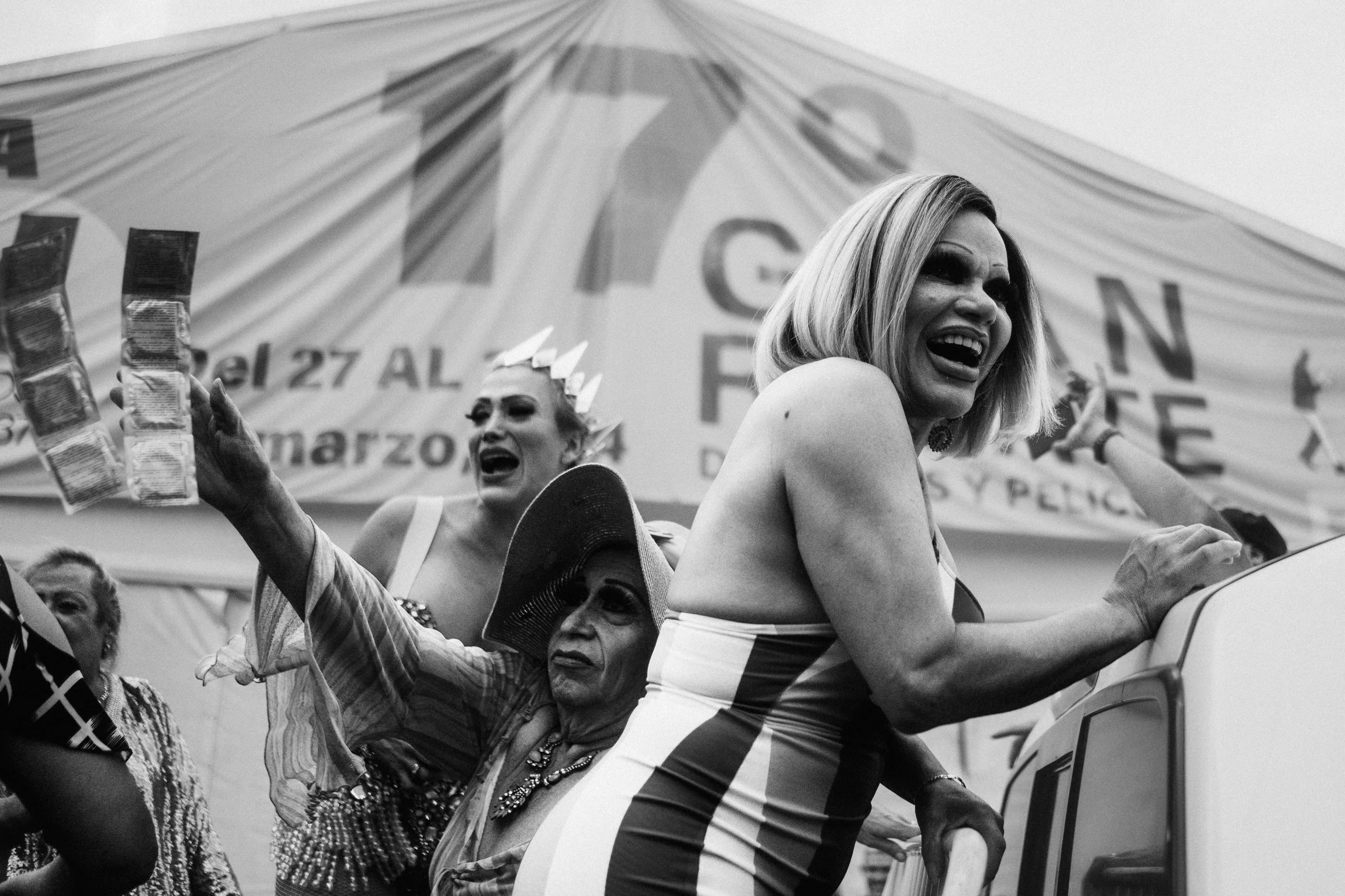
A small Pride parade with big energy—condoms flying into the crowd and laughter everywhere.
Chasing Light, Finding Perspective
Photography helps me make sense of things. It slows me down and pushes me to pay attention to the way light rests on someone’s face, how a gesture reveals more than words, or how a small detail turns an ordinary moment into something worth keeping. Those moments fade fast, but they tell us something if we bother to look.
When I returned to photography in 2006, I got caught up in all the noise. Gear, technique, opinions—chasing the “right” way to shoot pulled me away from my own instincts. I ignored approaches that felt natural because I didn’t think they would be taken seriously. Somewhere in that mess, I lost sight of why I picked up a camera back in the ’80s: to say something honest.
It took time to come back to that. Photography isn’t about perfection. It’s about perspective. About slowing down long enough to notice what resonates, even if you can’t put the reason into words. What we photograph reflects who we are just as much as the subject—our books, our music, our memories, the thoughts we can’t shake.
That’s why I keep shooting. To hold on to the fleeting things time tries to erase. To understand the world—and myself—a little better. There’s no finish line here. Just the act of looking, of noticing, of pressing the shutter at the right moment.
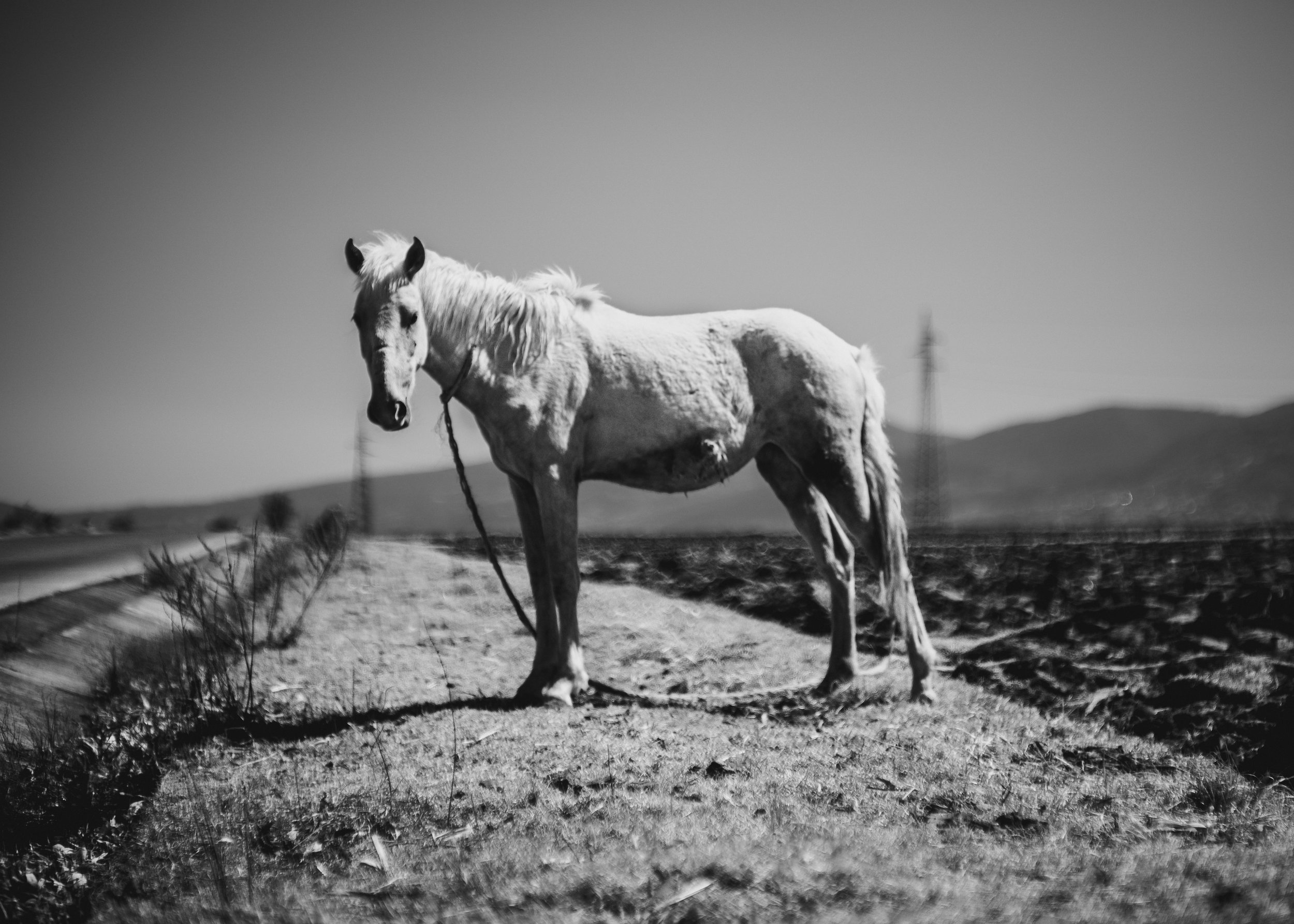
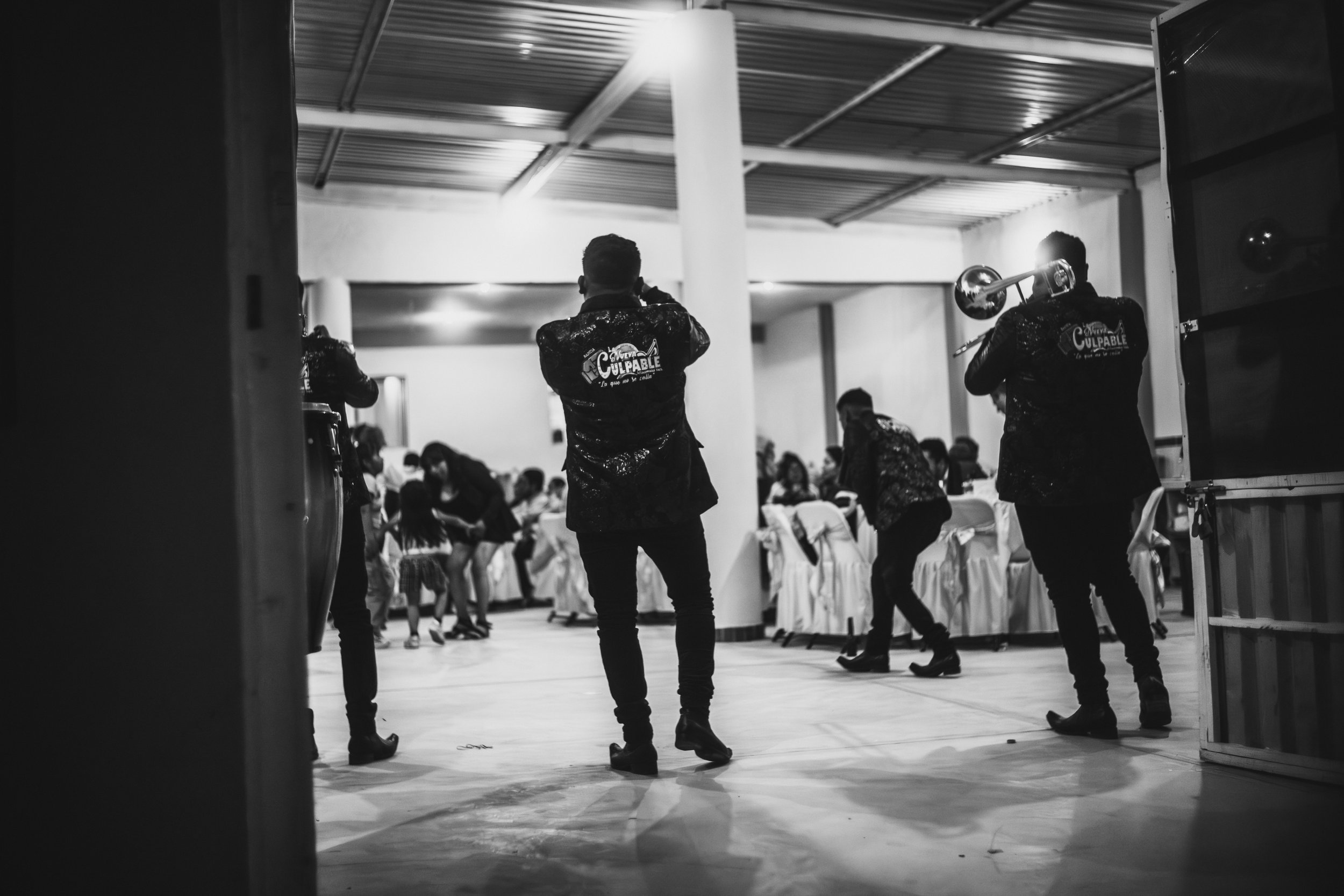
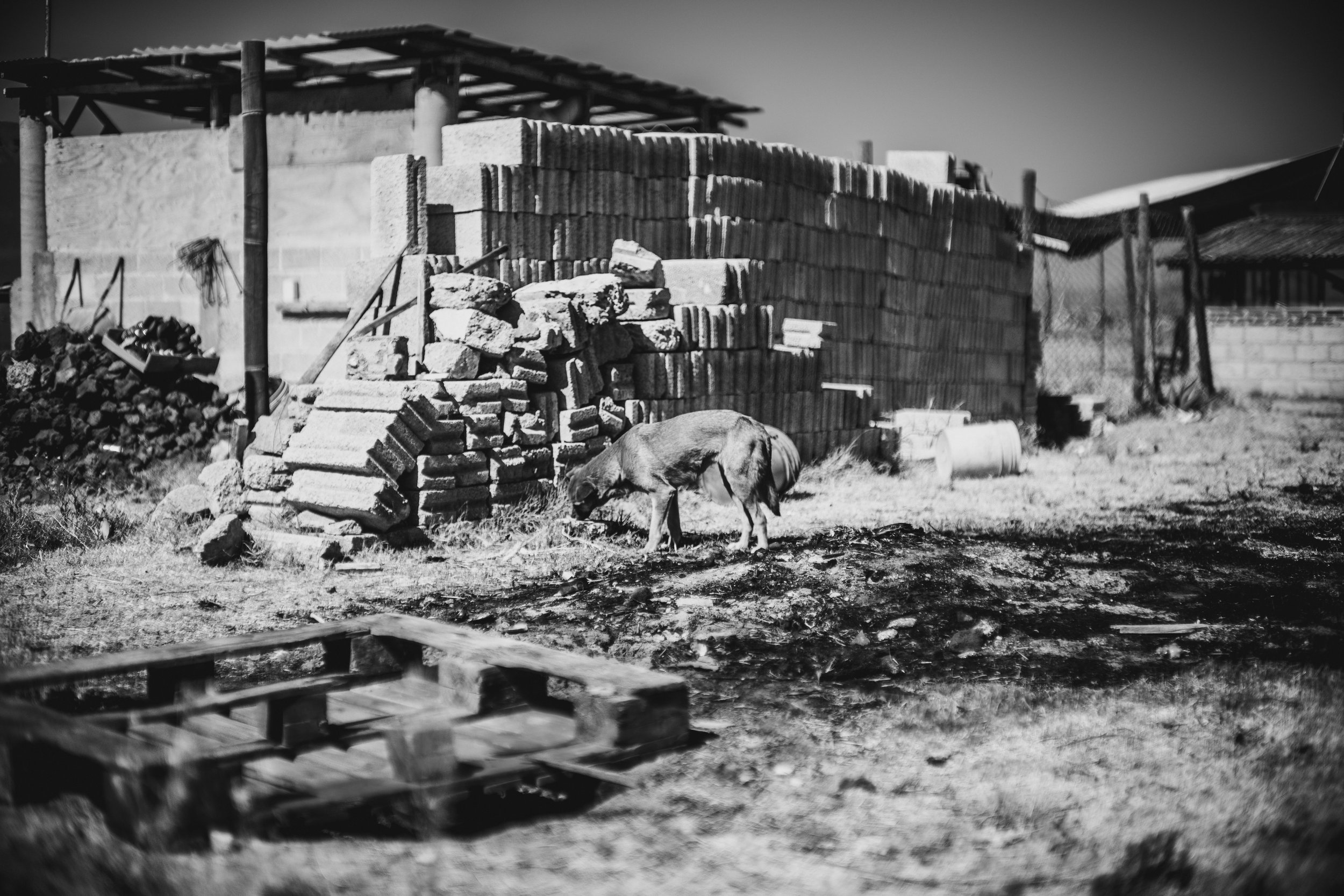
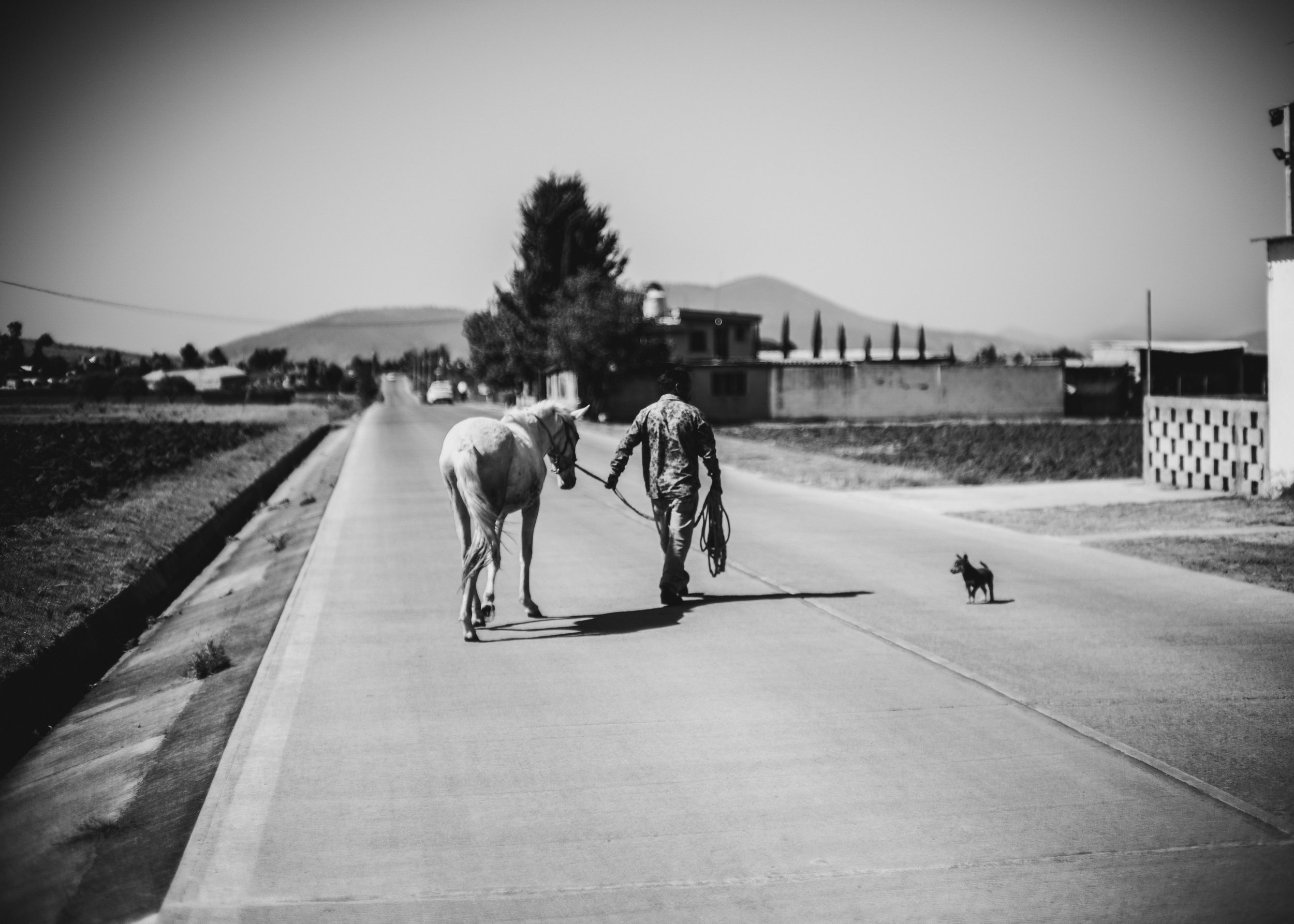
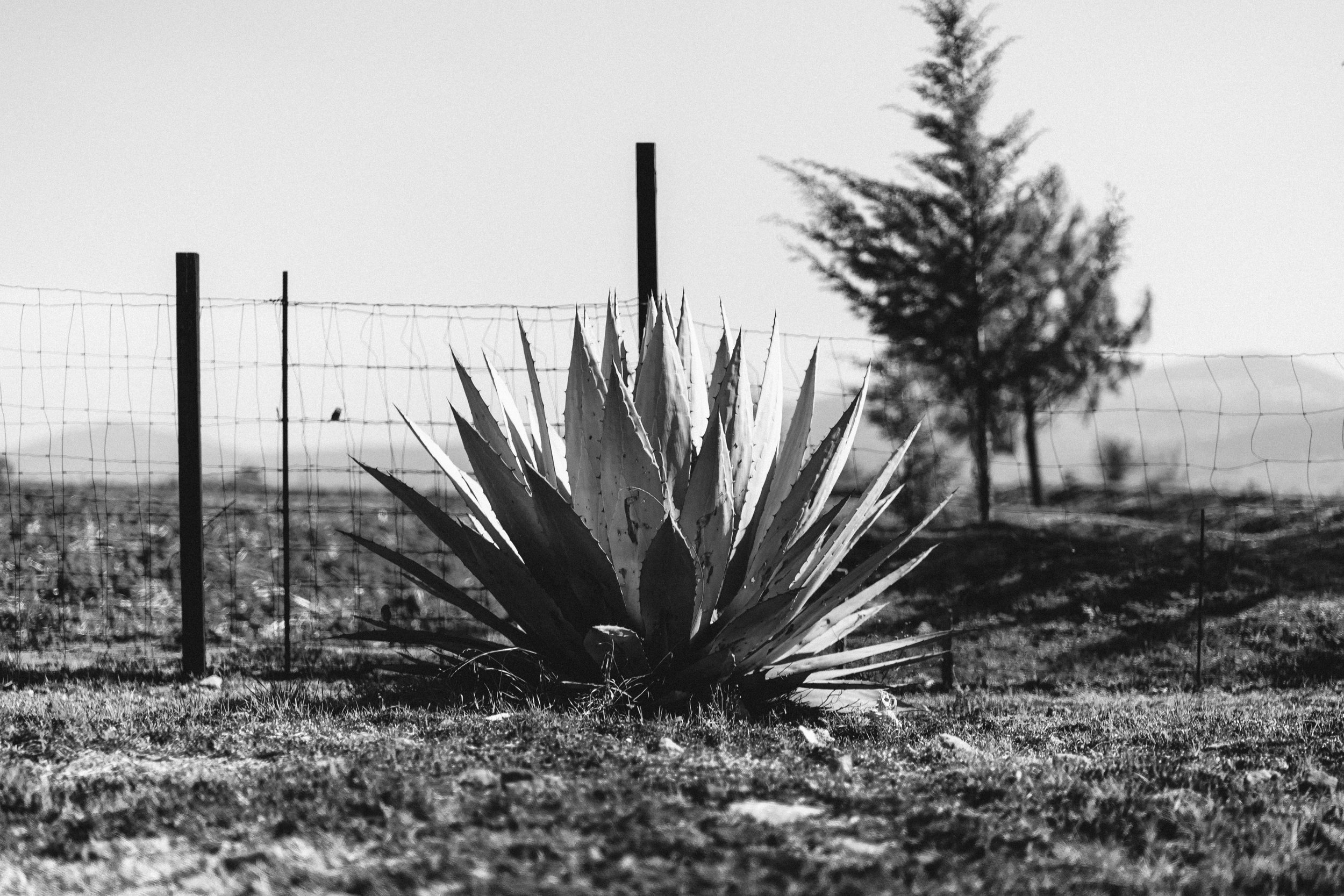
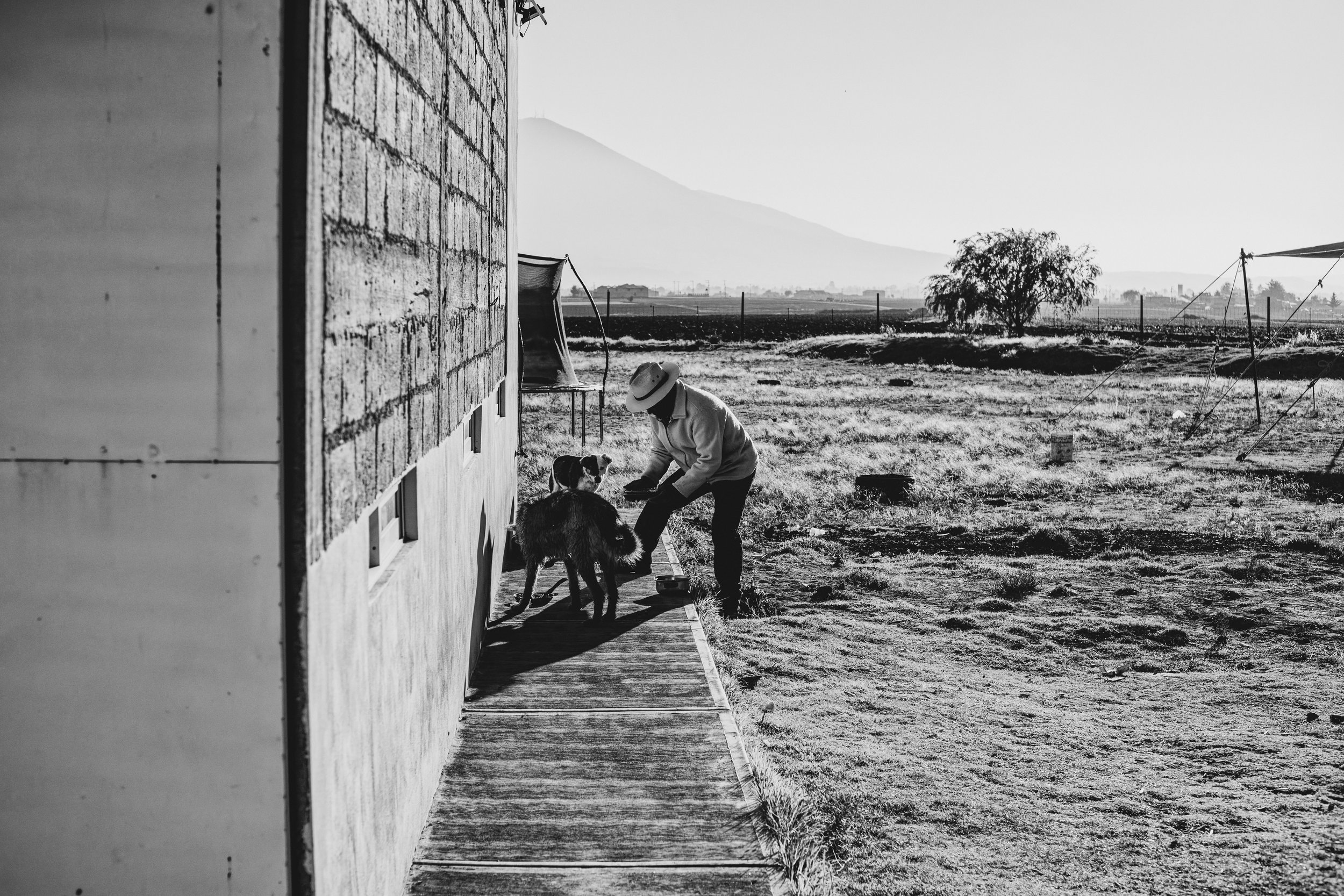
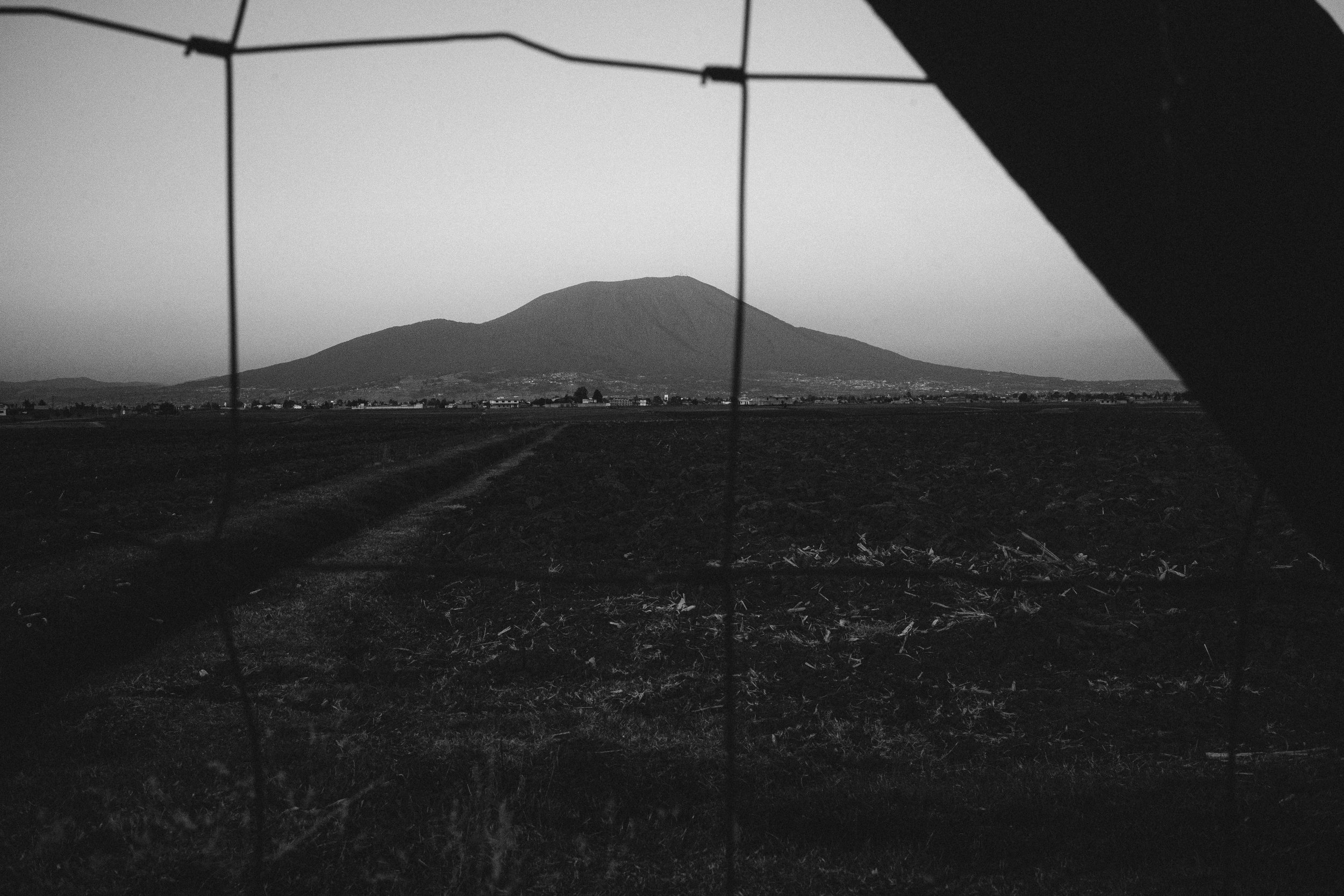
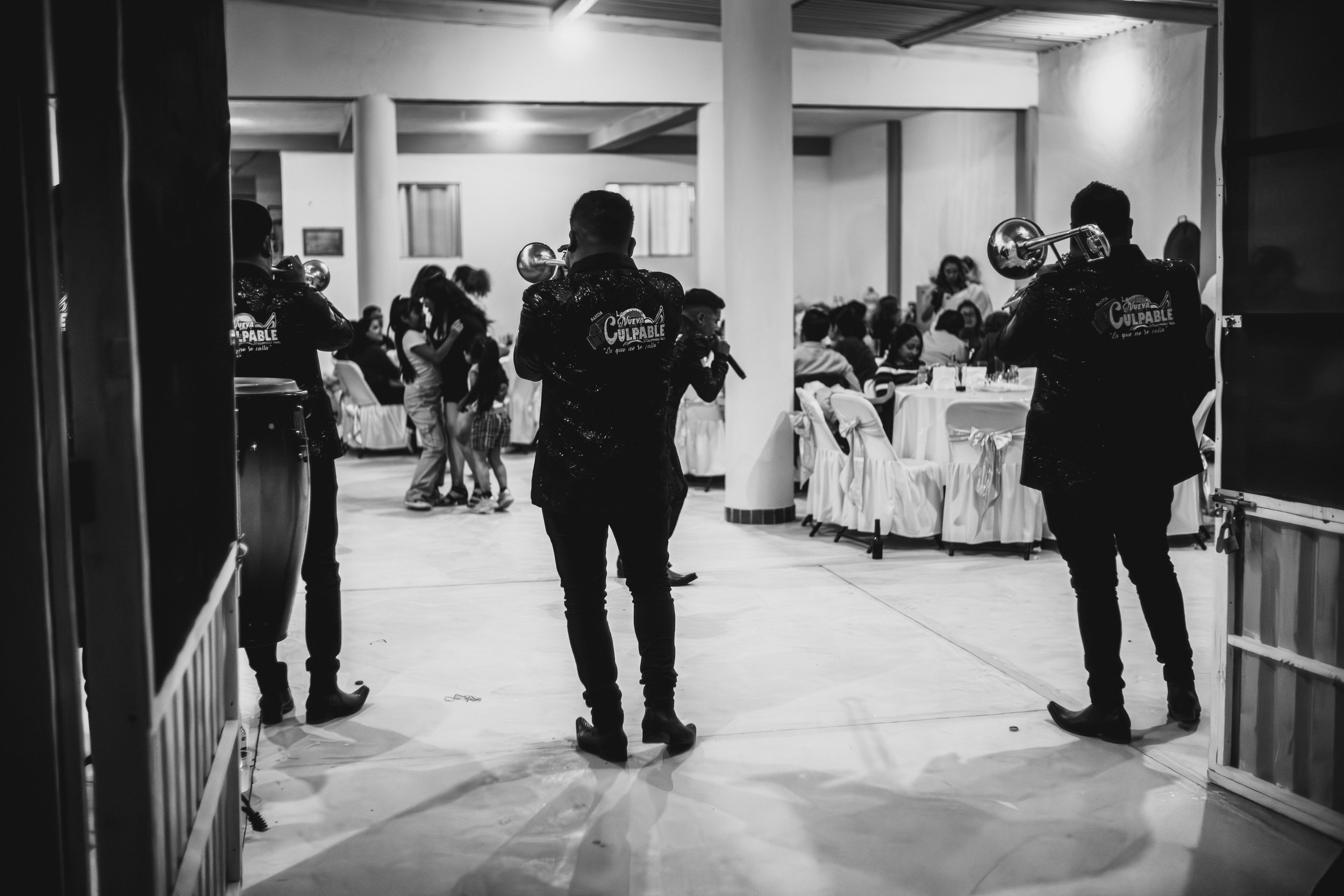
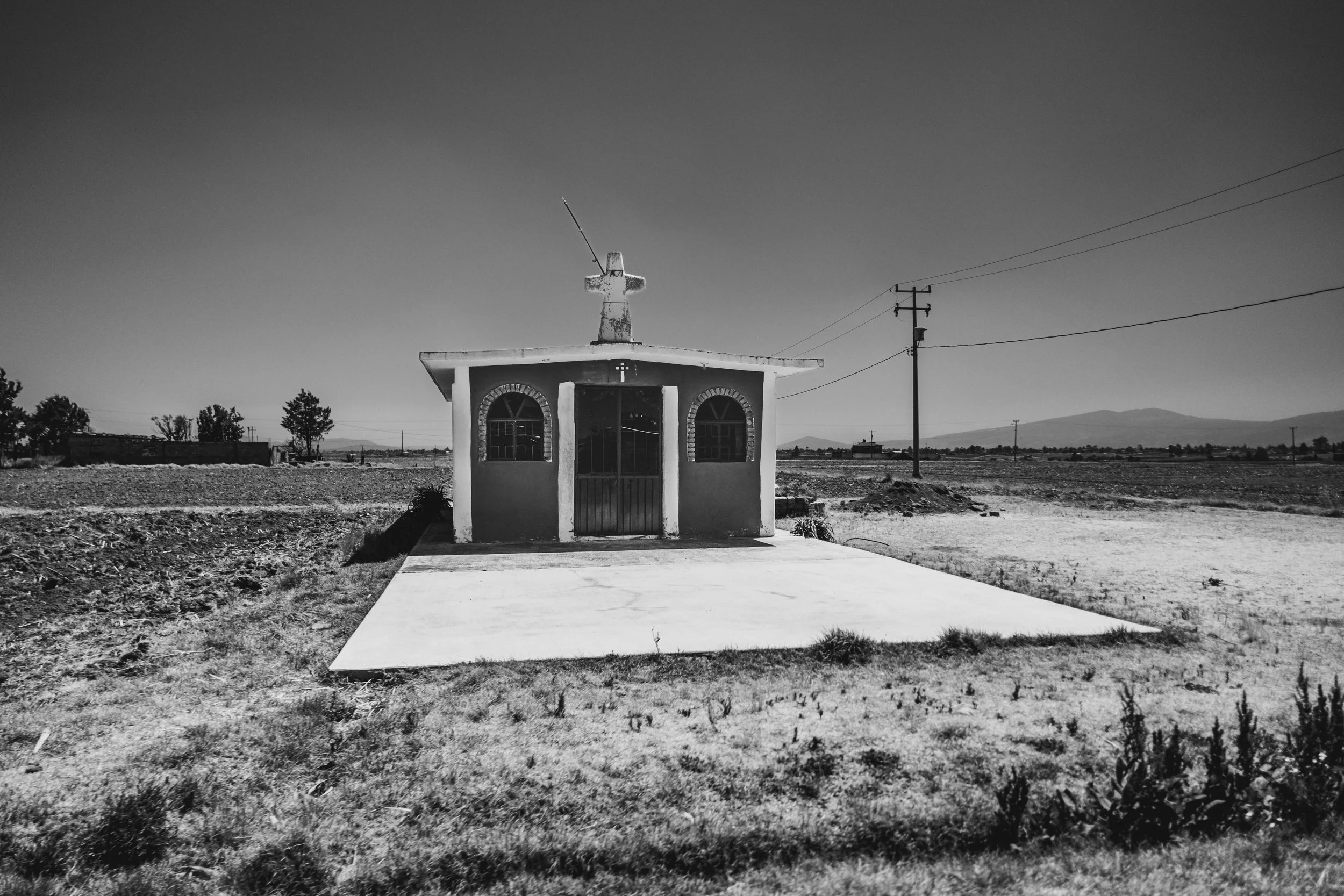
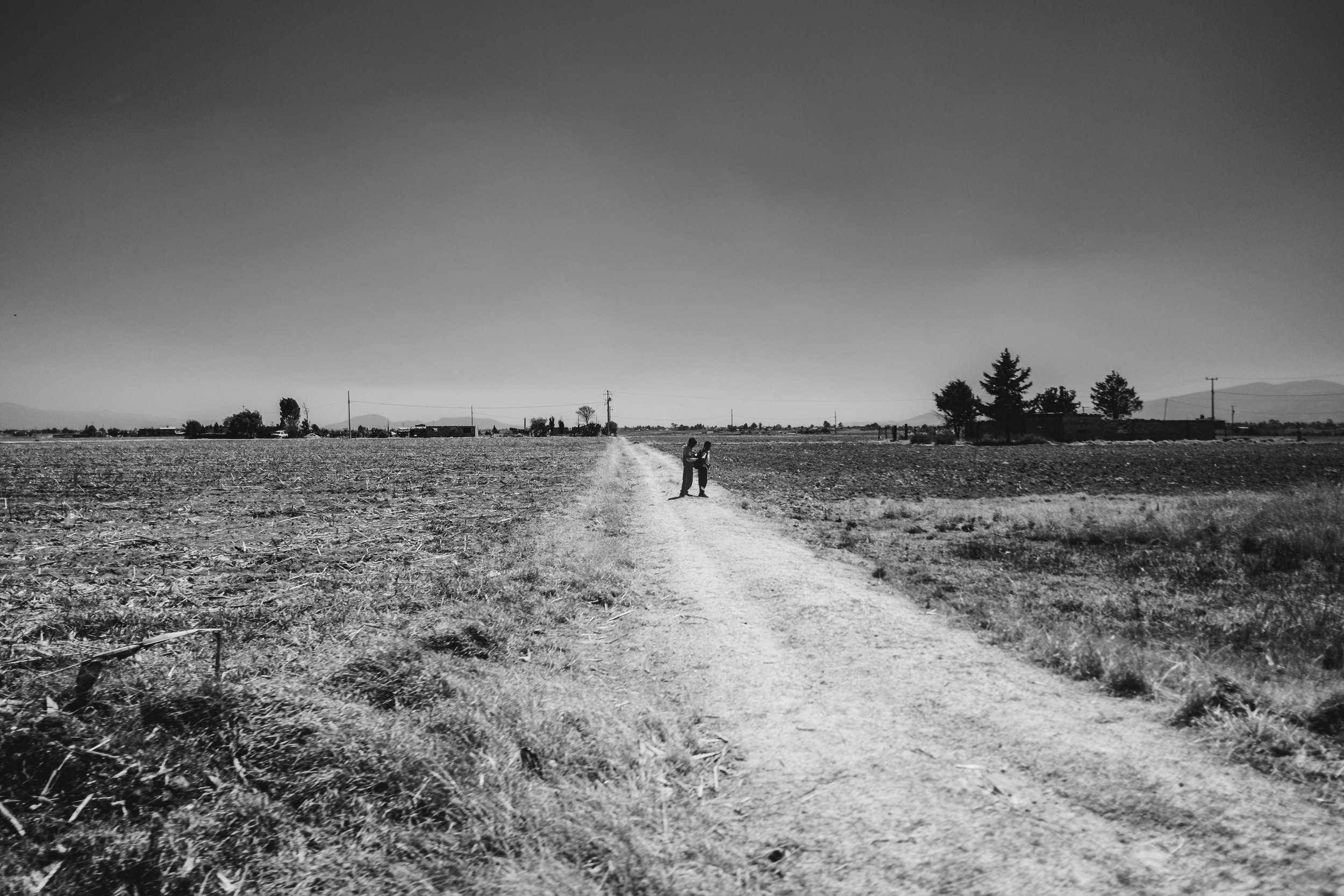
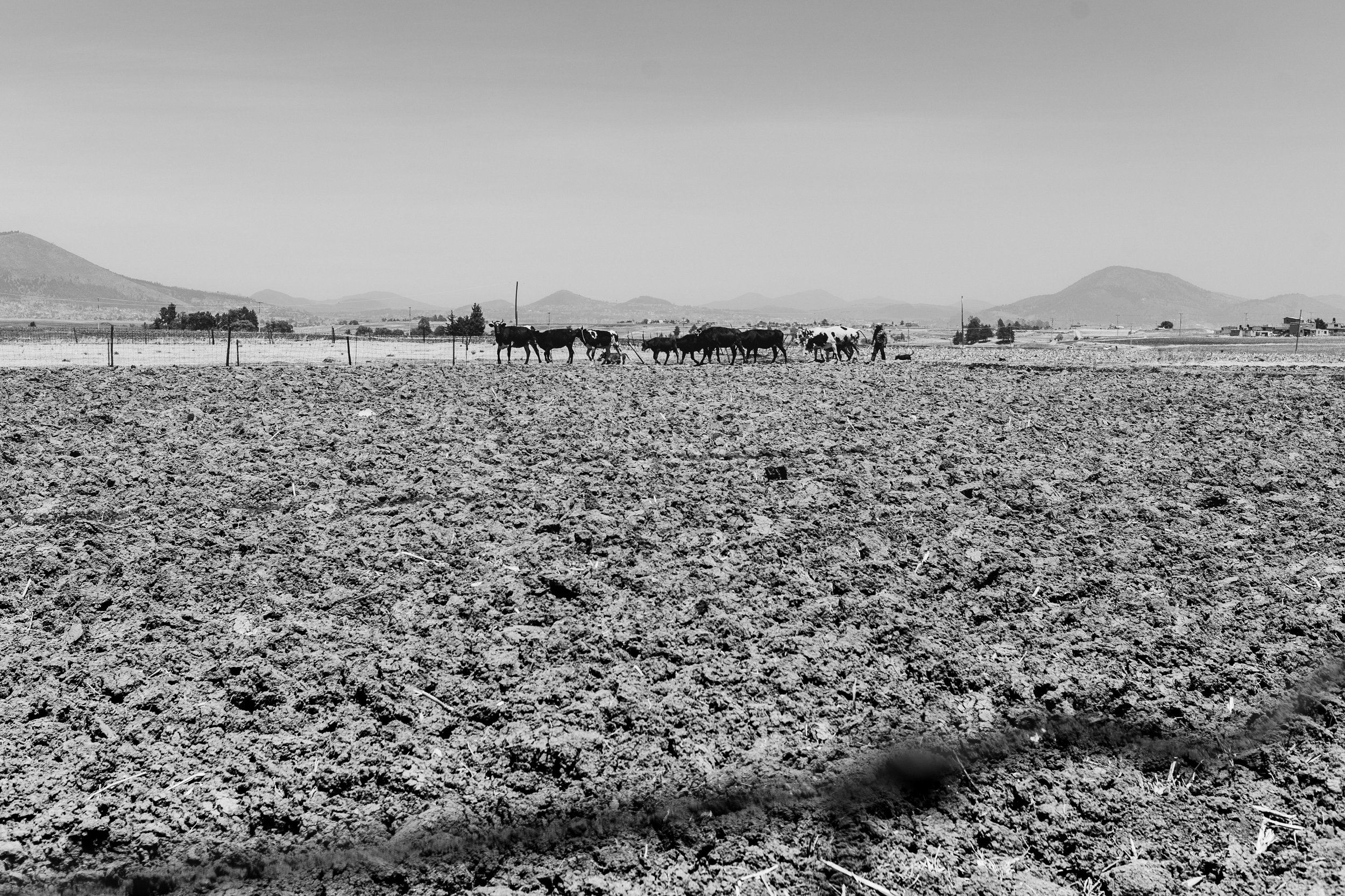
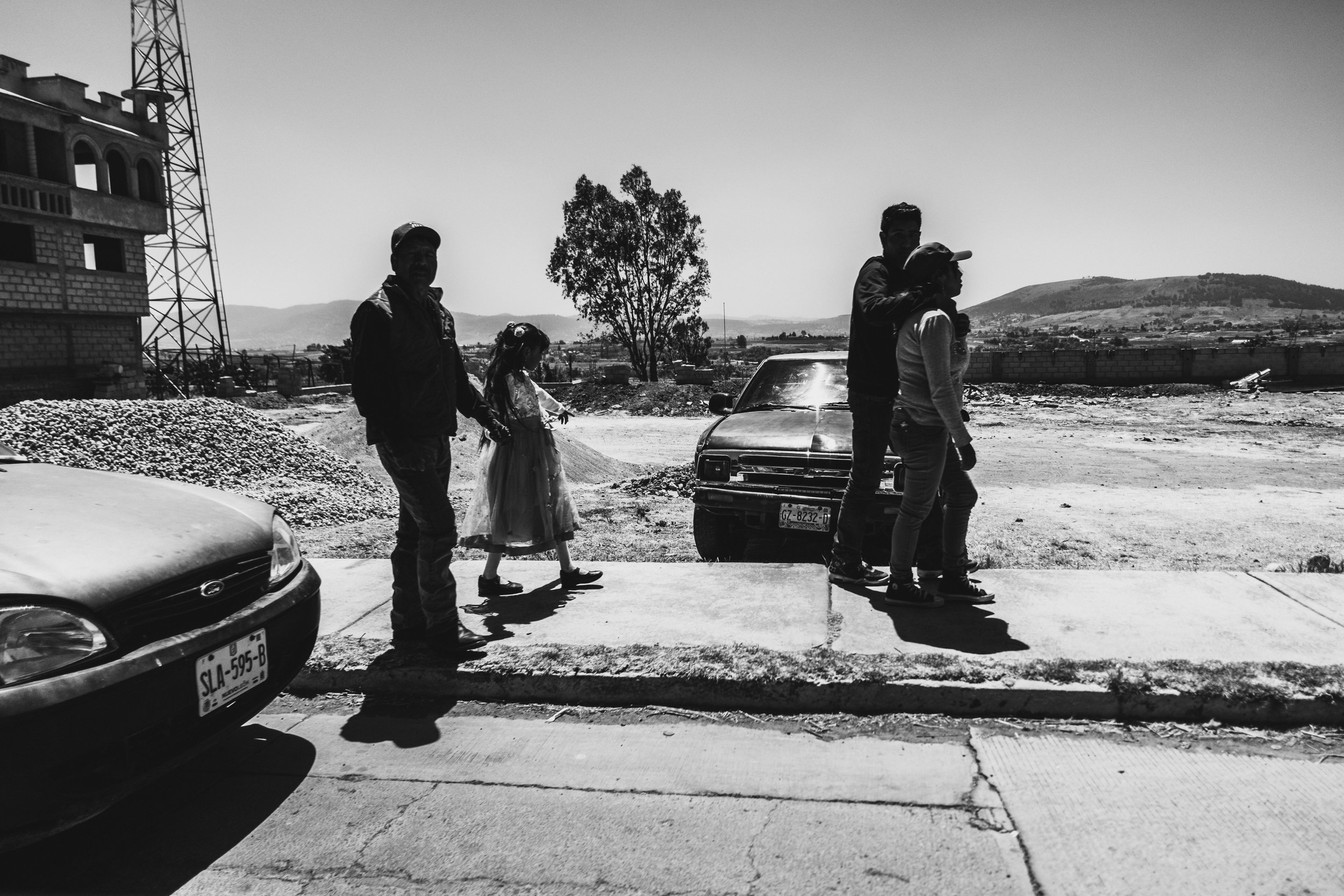
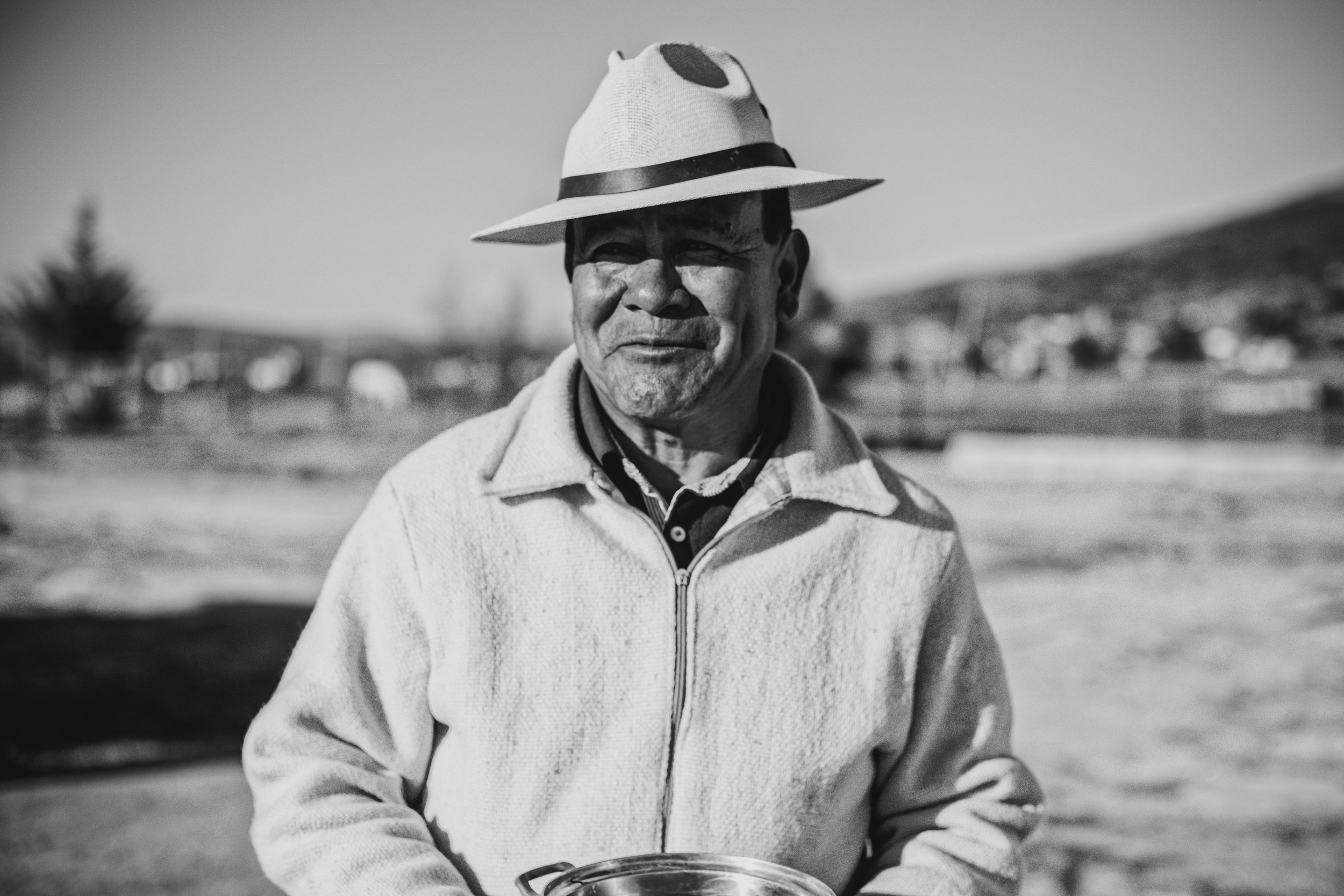
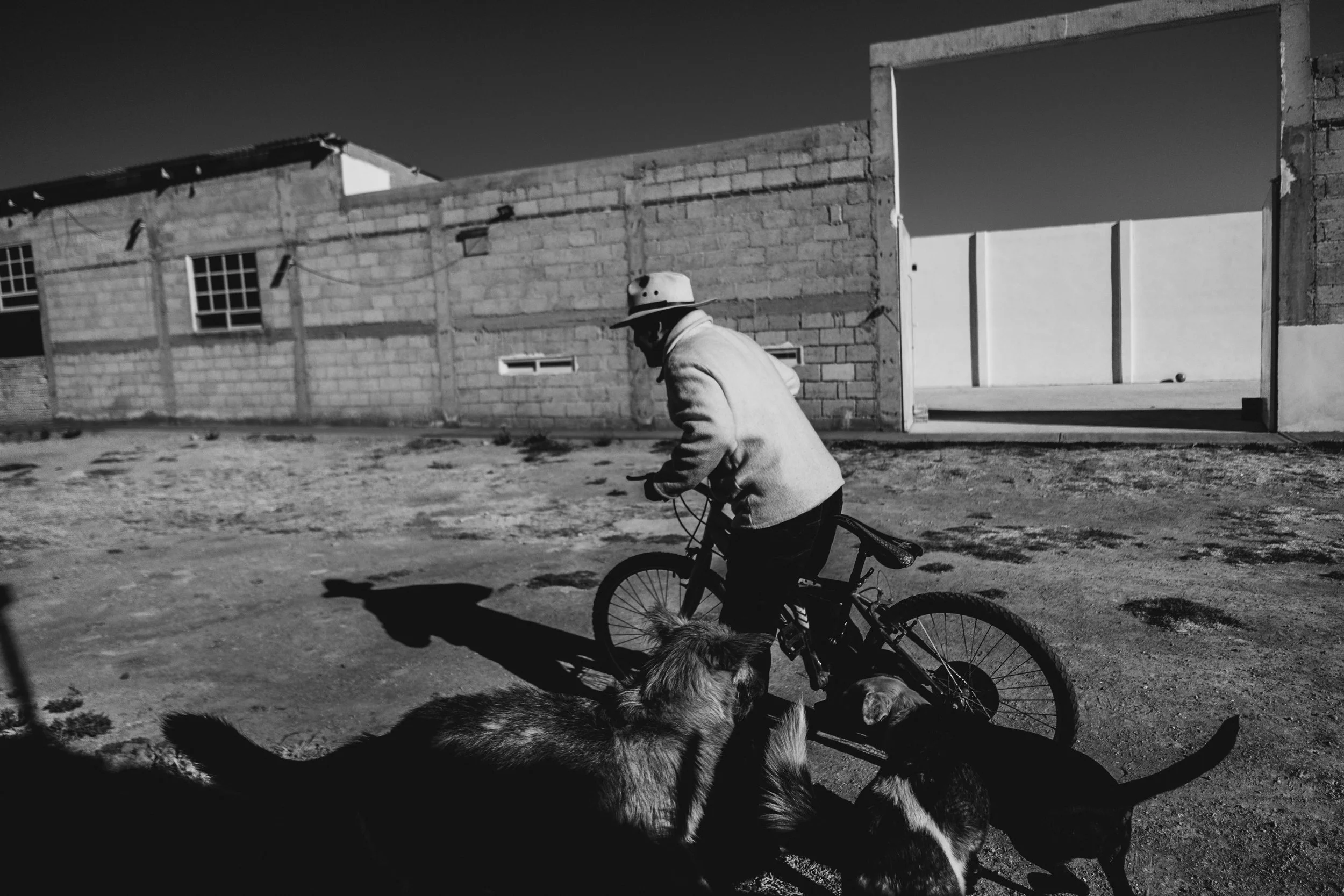
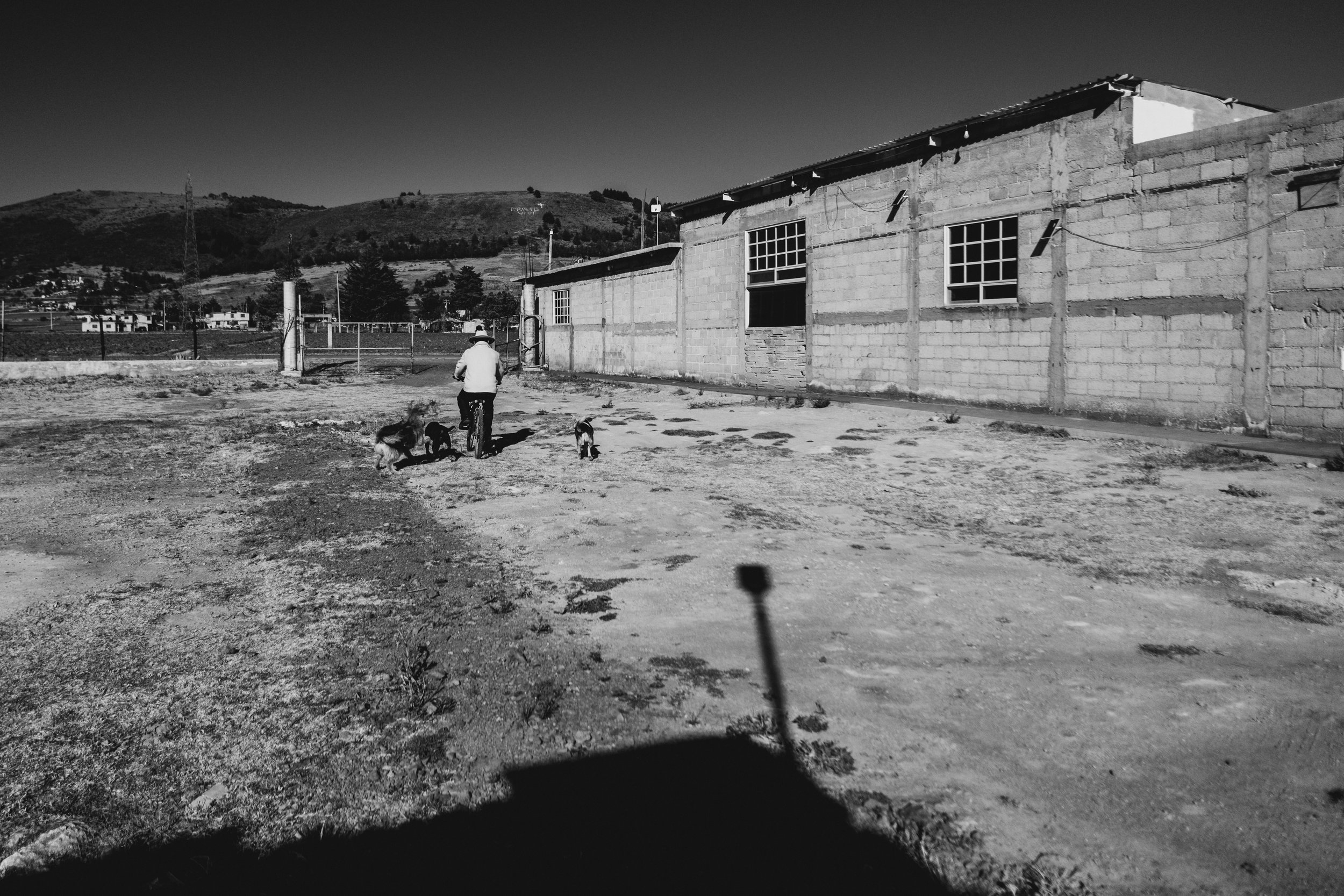
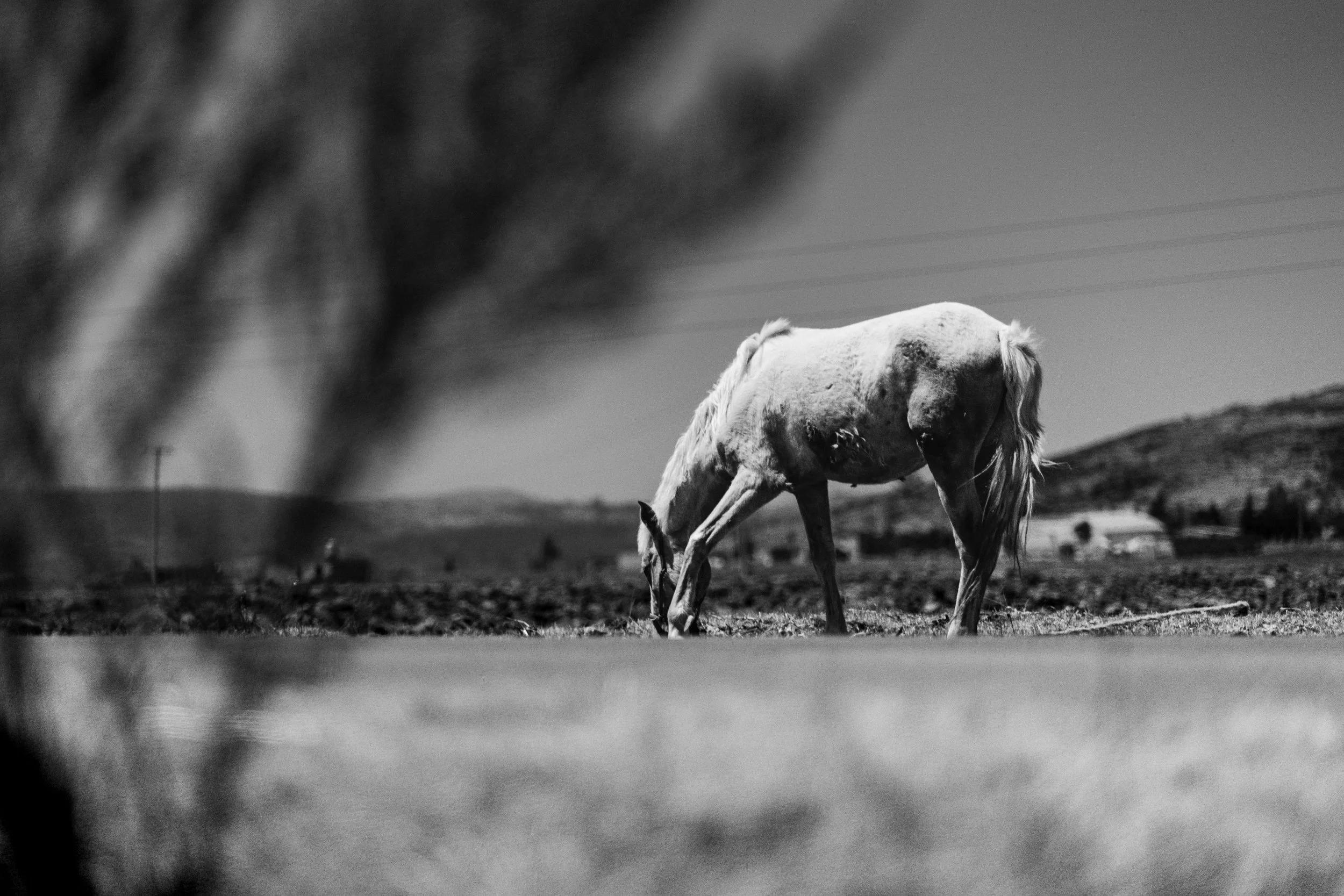
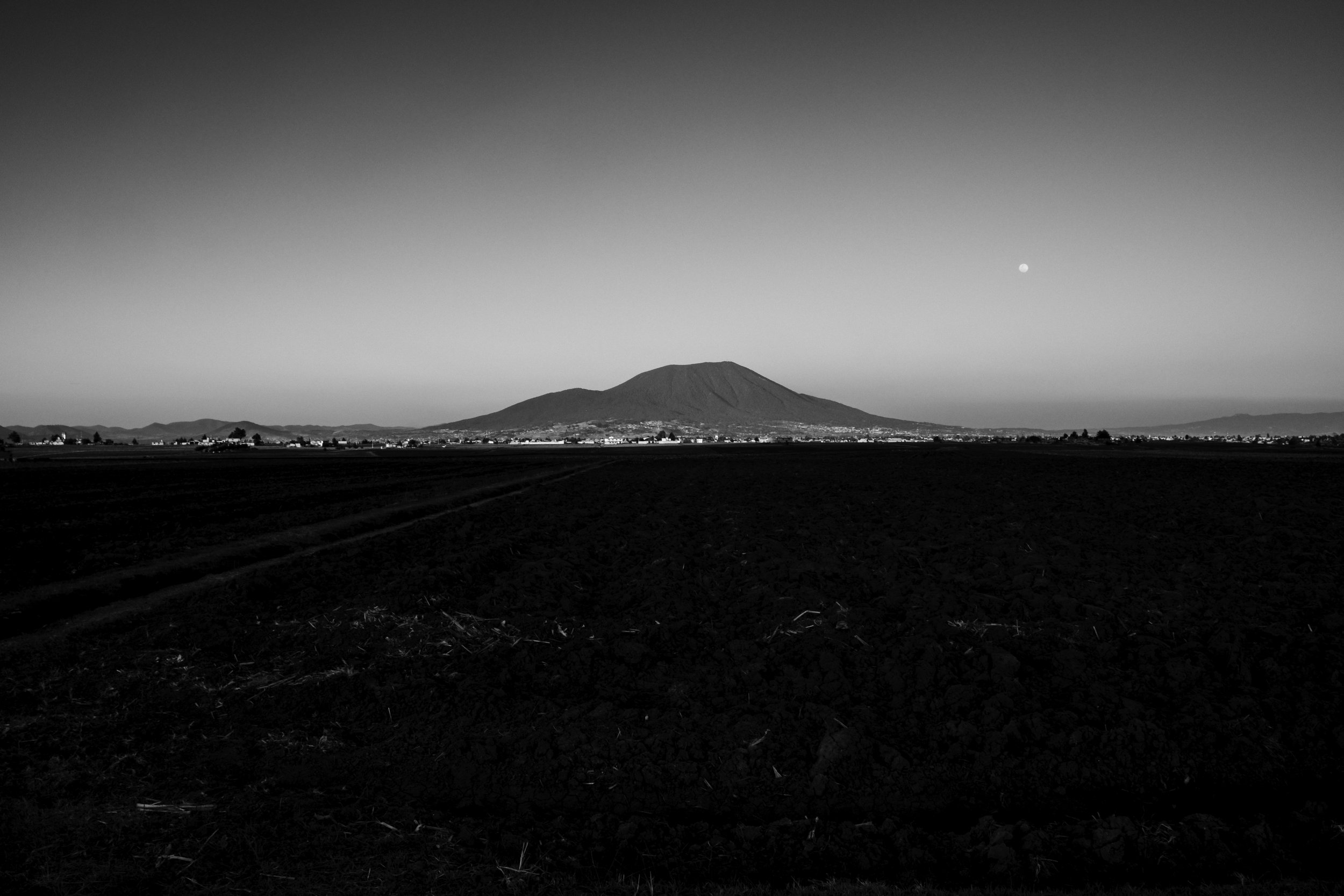
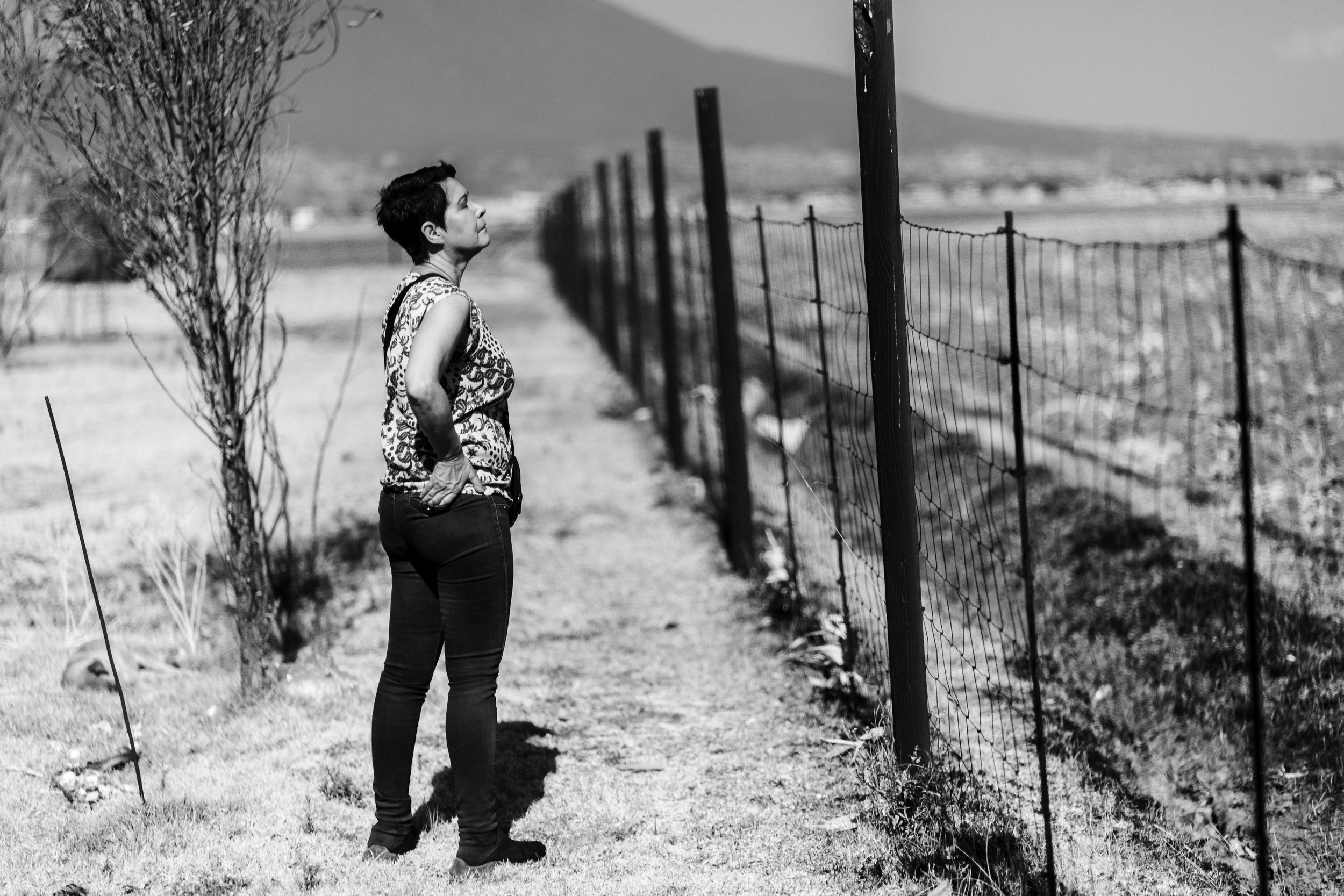
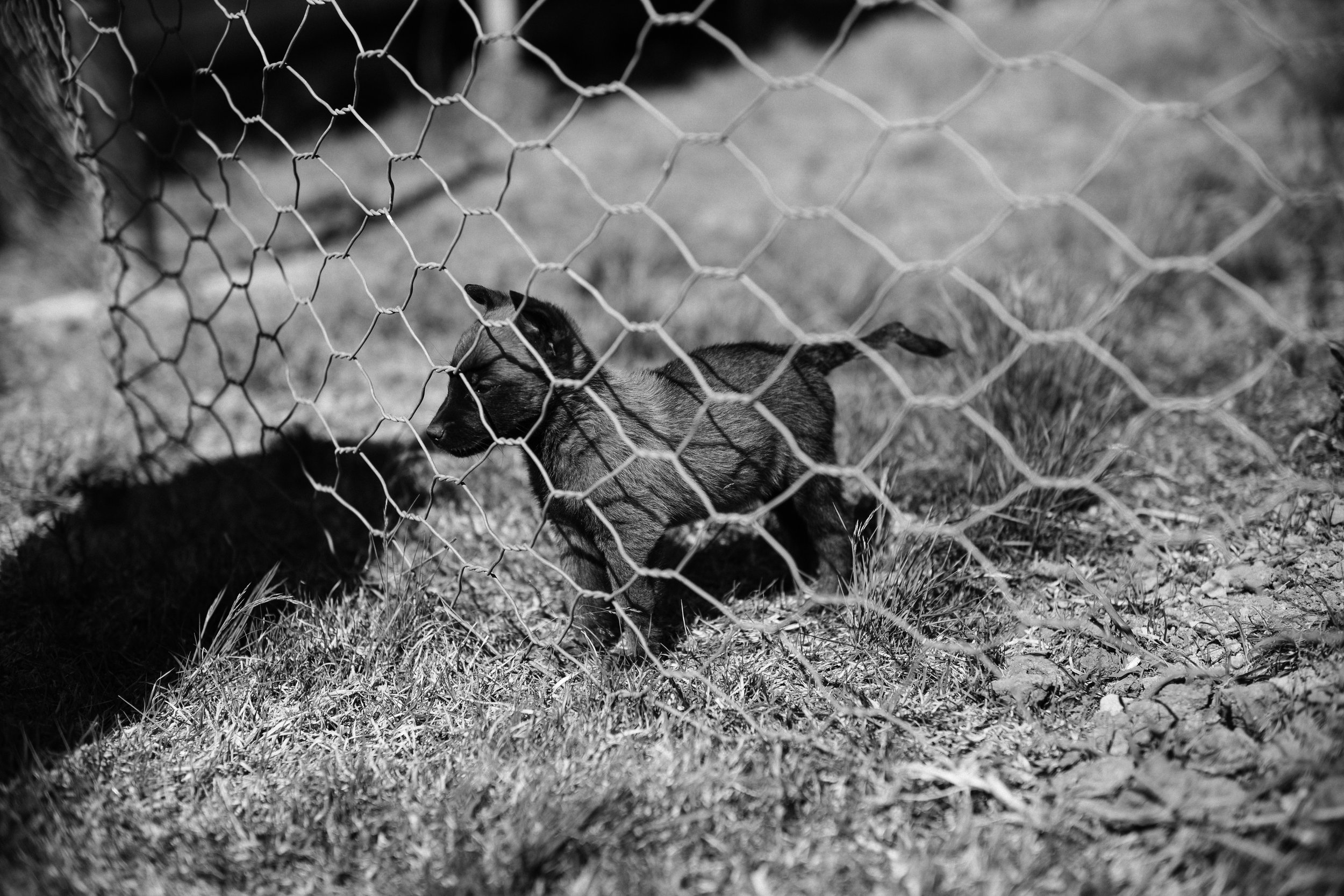
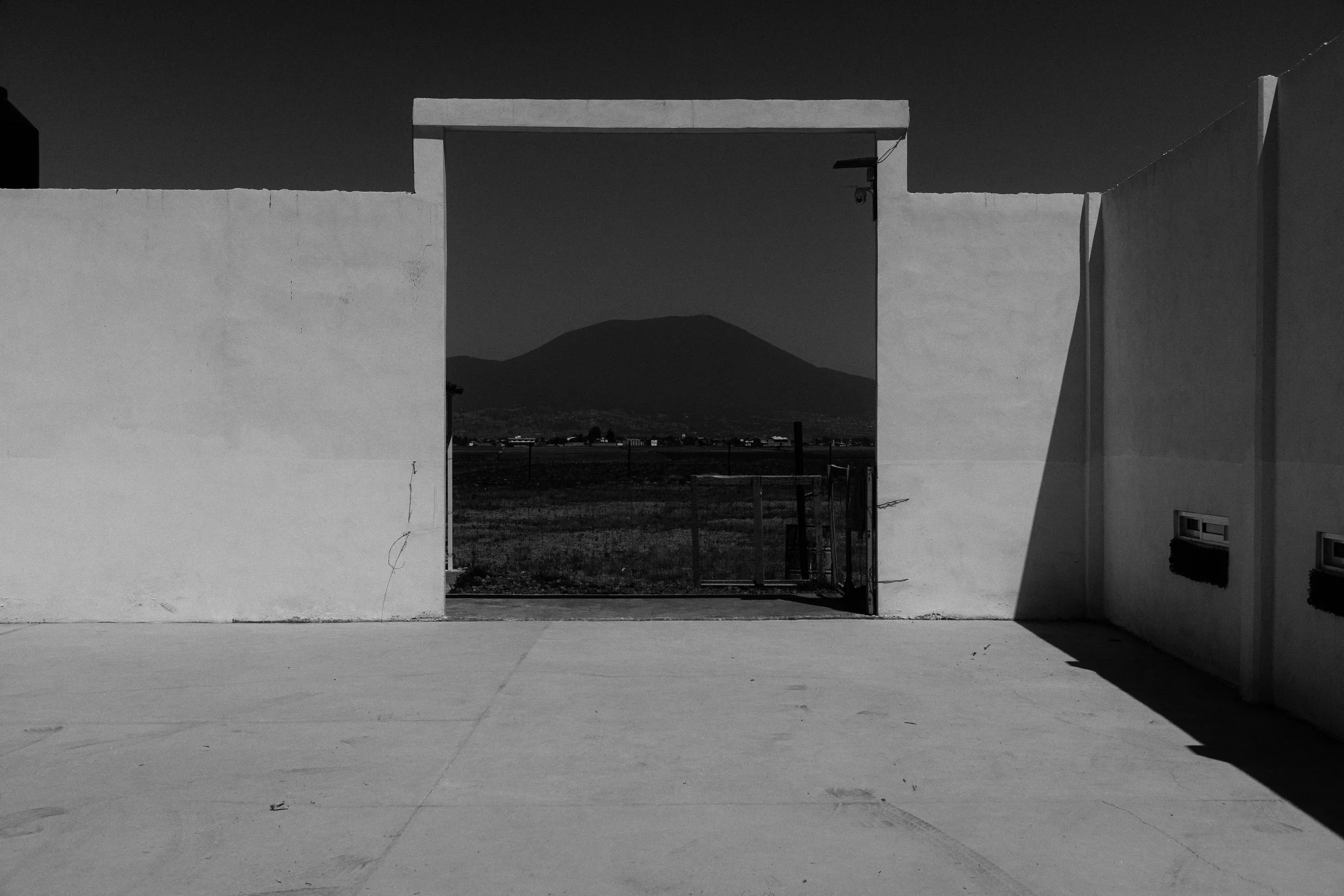
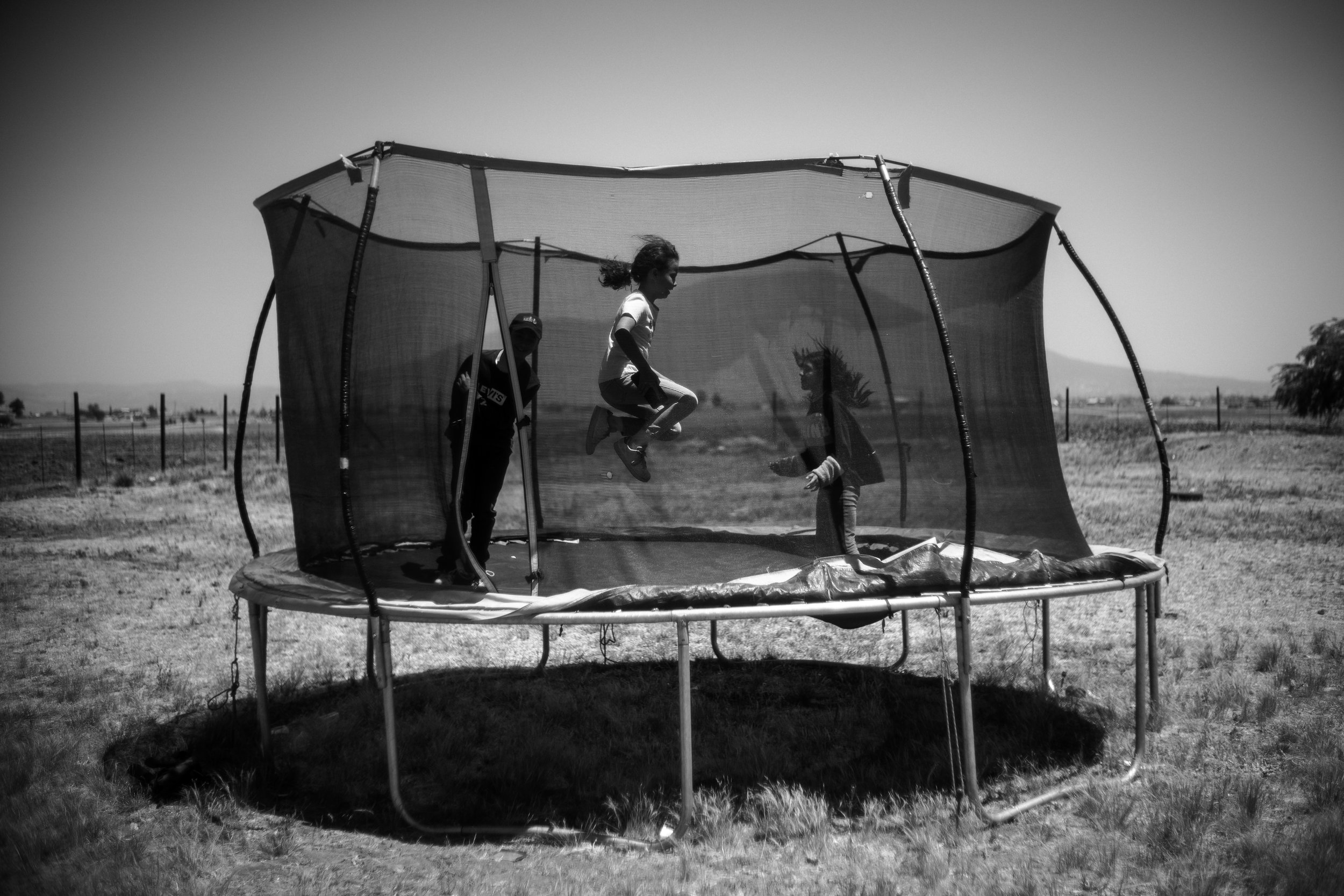
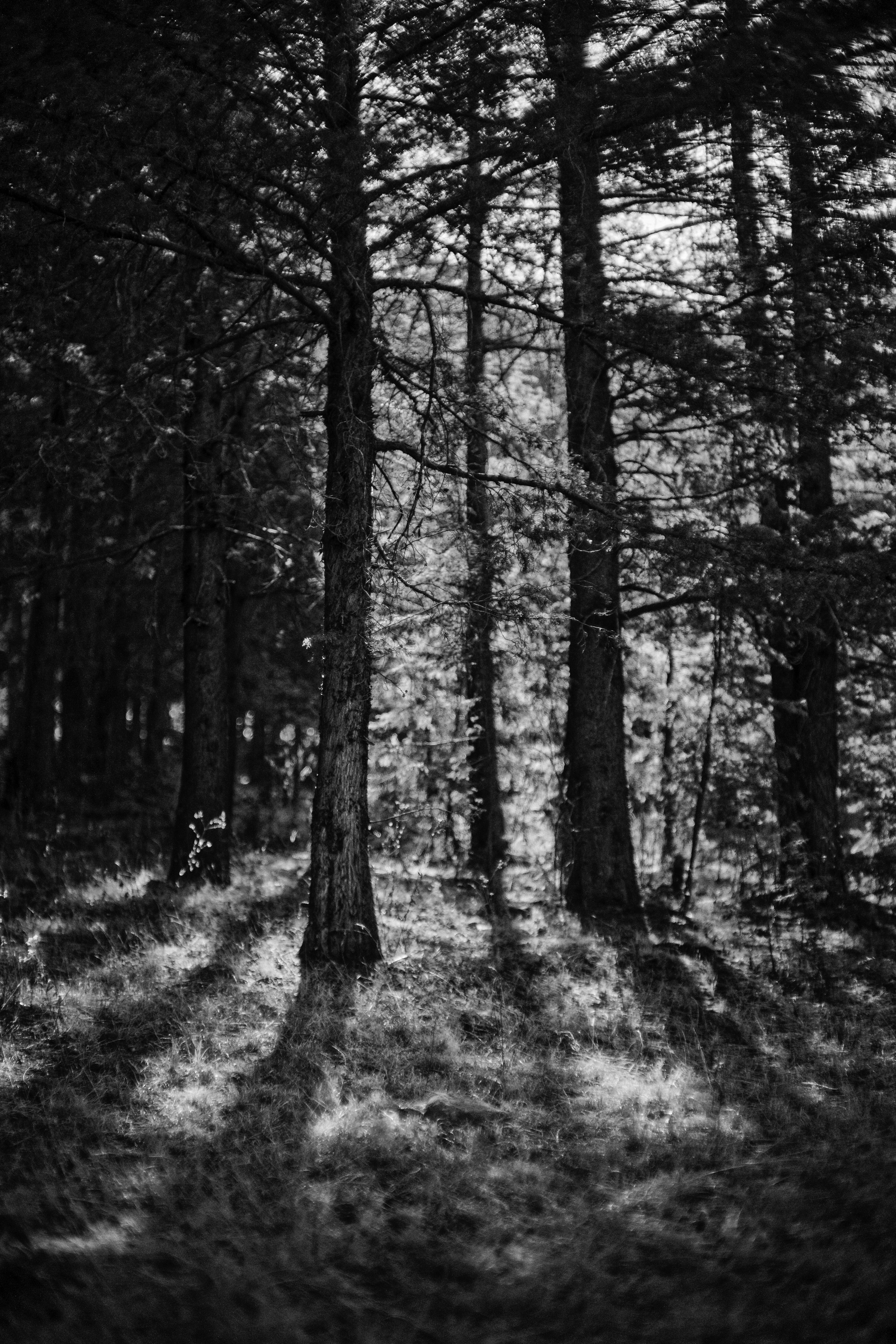
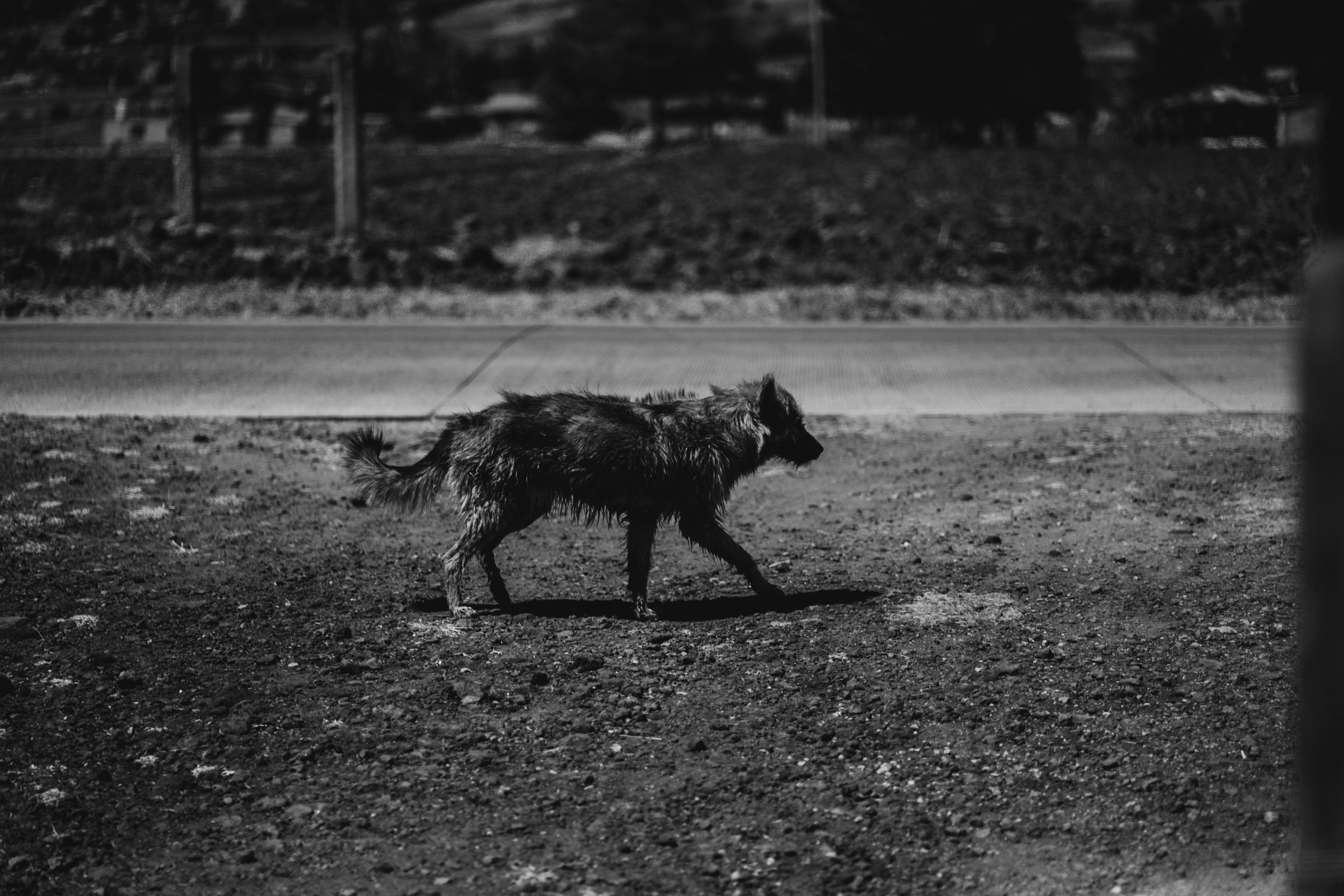
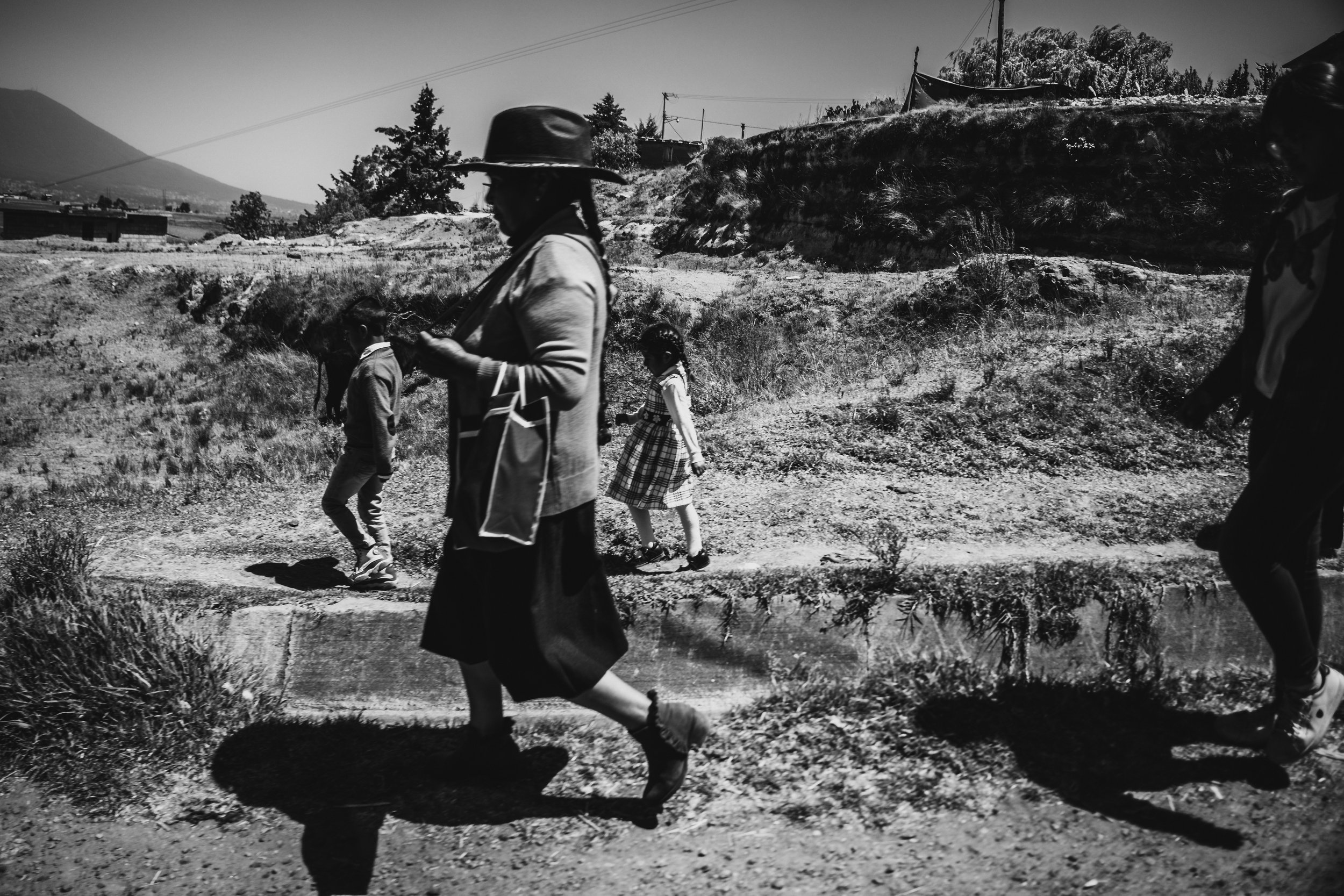
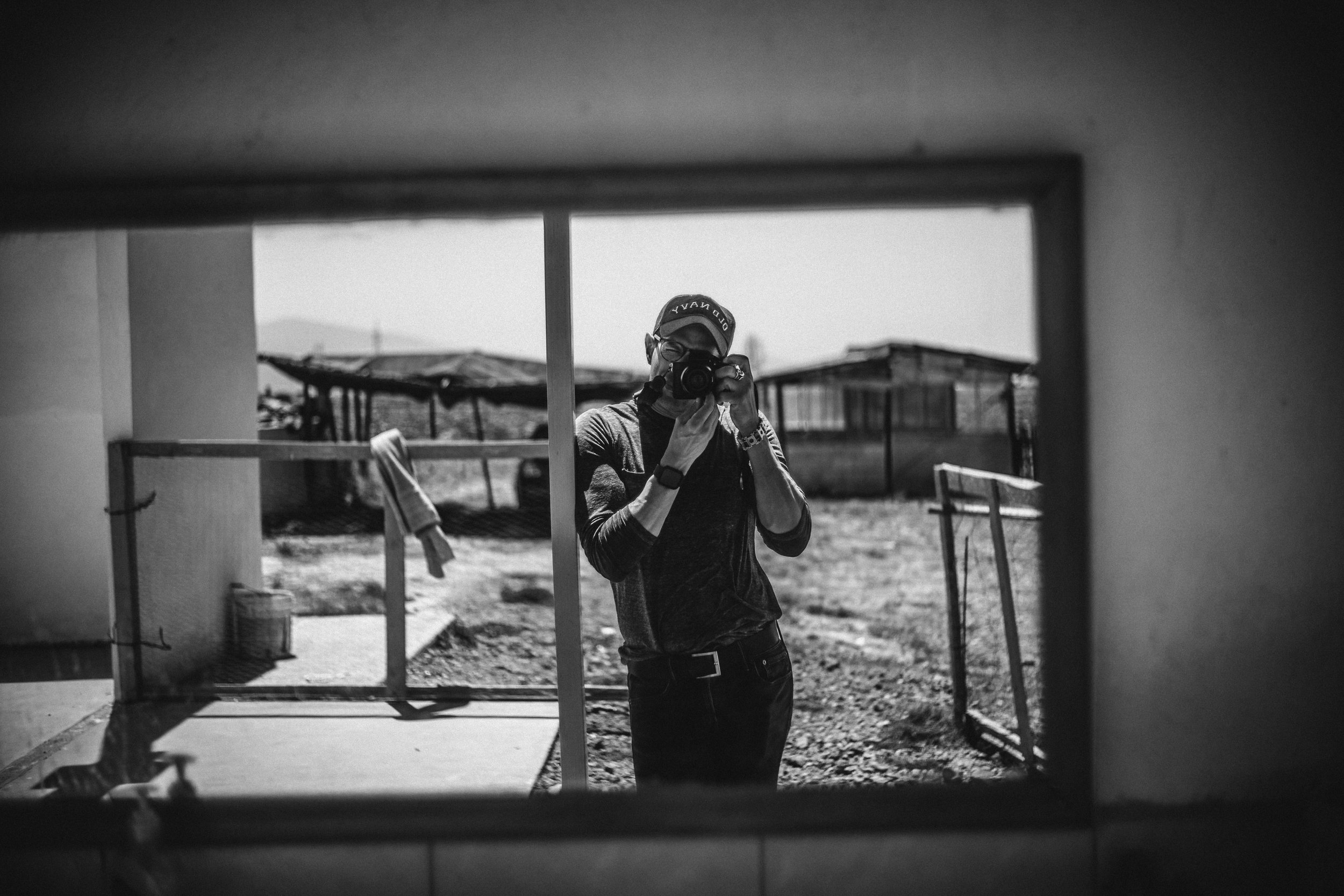
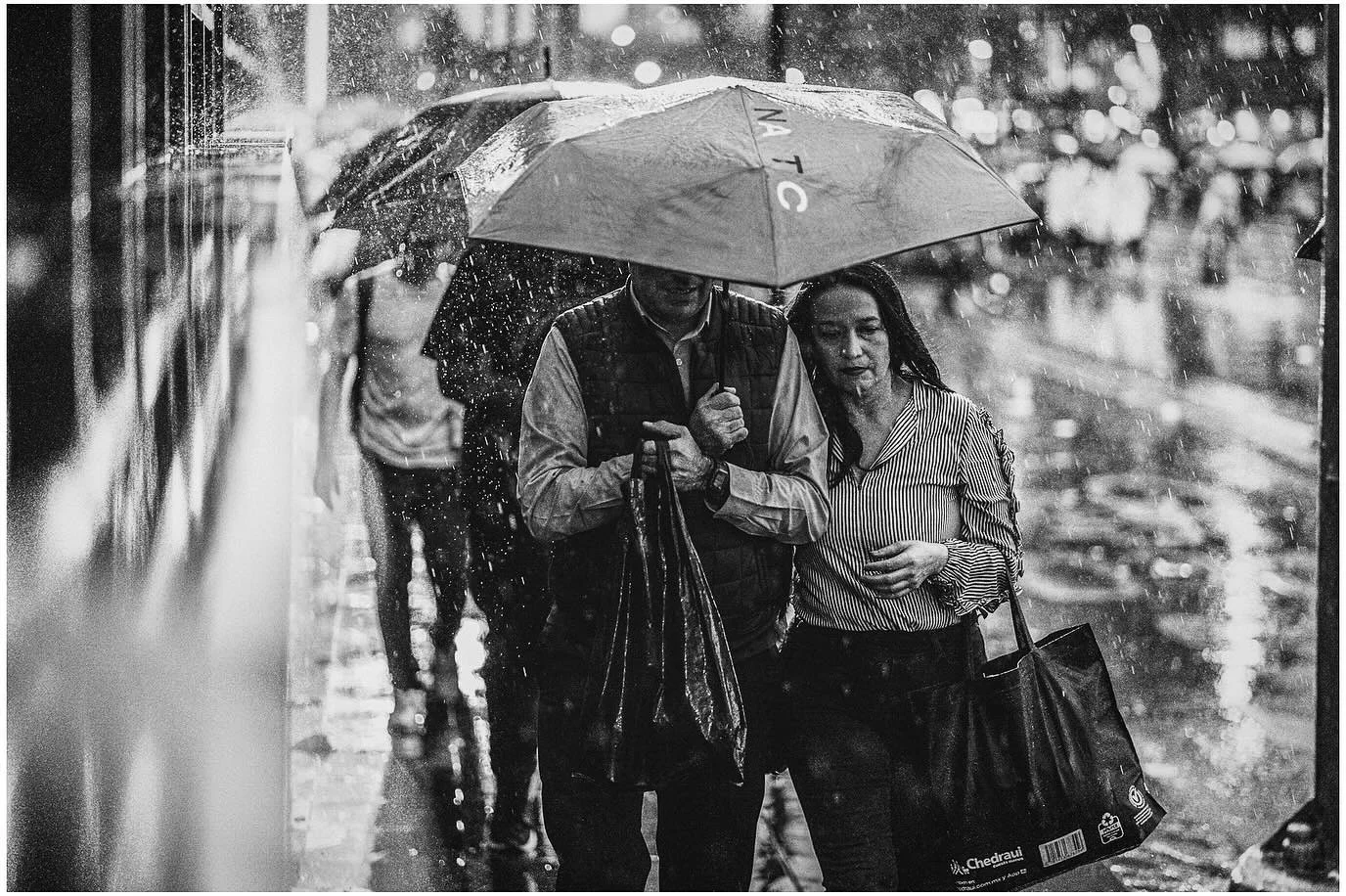
Below are a few images from a recent stay in Mexico’s Mazahua region—quiet fragments of encounters and observations that stayed with me.
Rediscovering My Creative Autonomy: A Journey Back to Personal Blogging
Before delving into blogging, my journey as a photographer began on platforms like Flickr and early blogging sites that emerged in the early 2000s. These platforms not only allowed me to share my work daily but also facilitated interactions with fellow photography enthusiasts and professionals. However, as my audience expanded and my site gained visibility through higher rankings on Google searches, the landscape of social media was rapidly evolving.
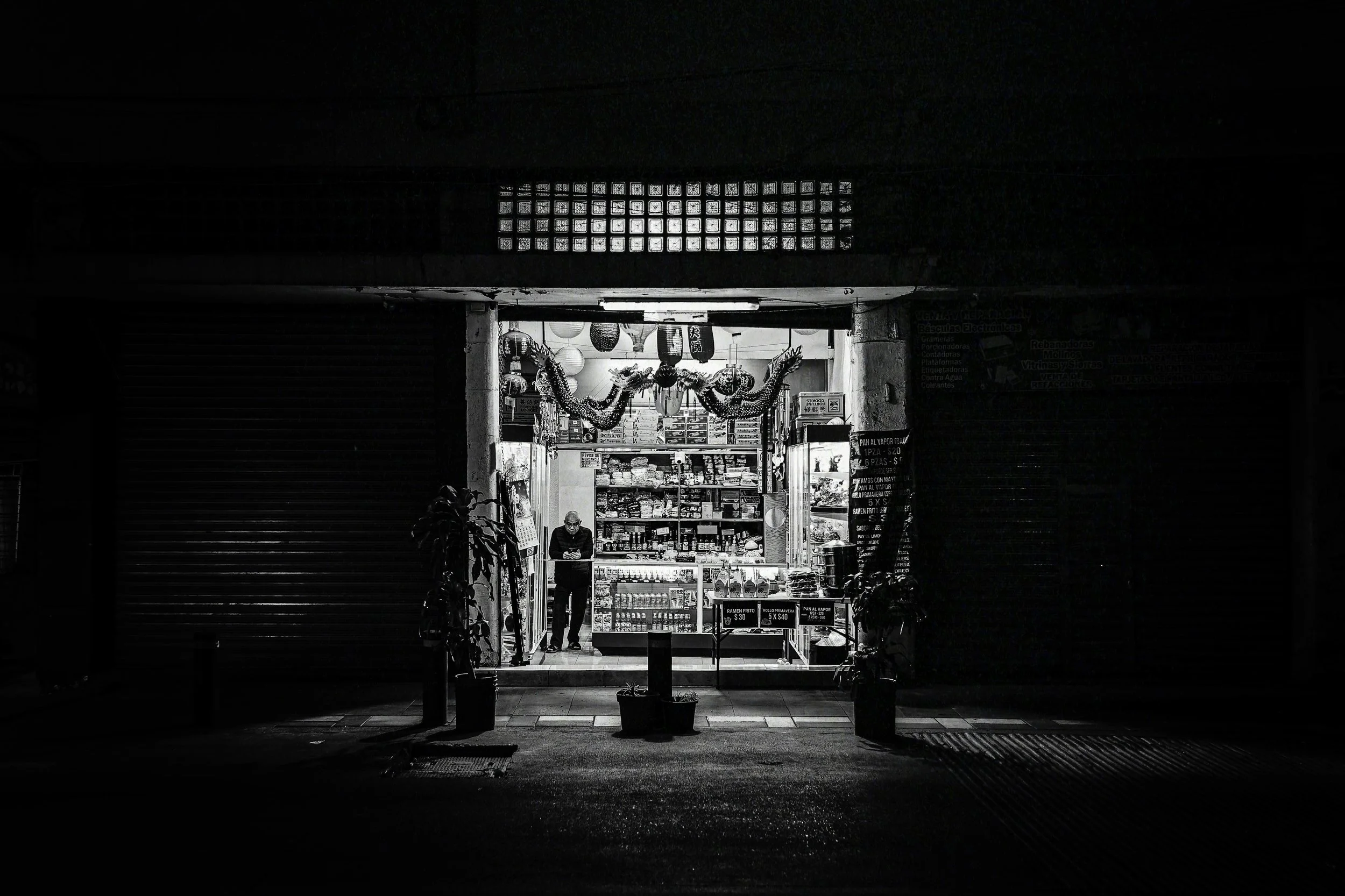
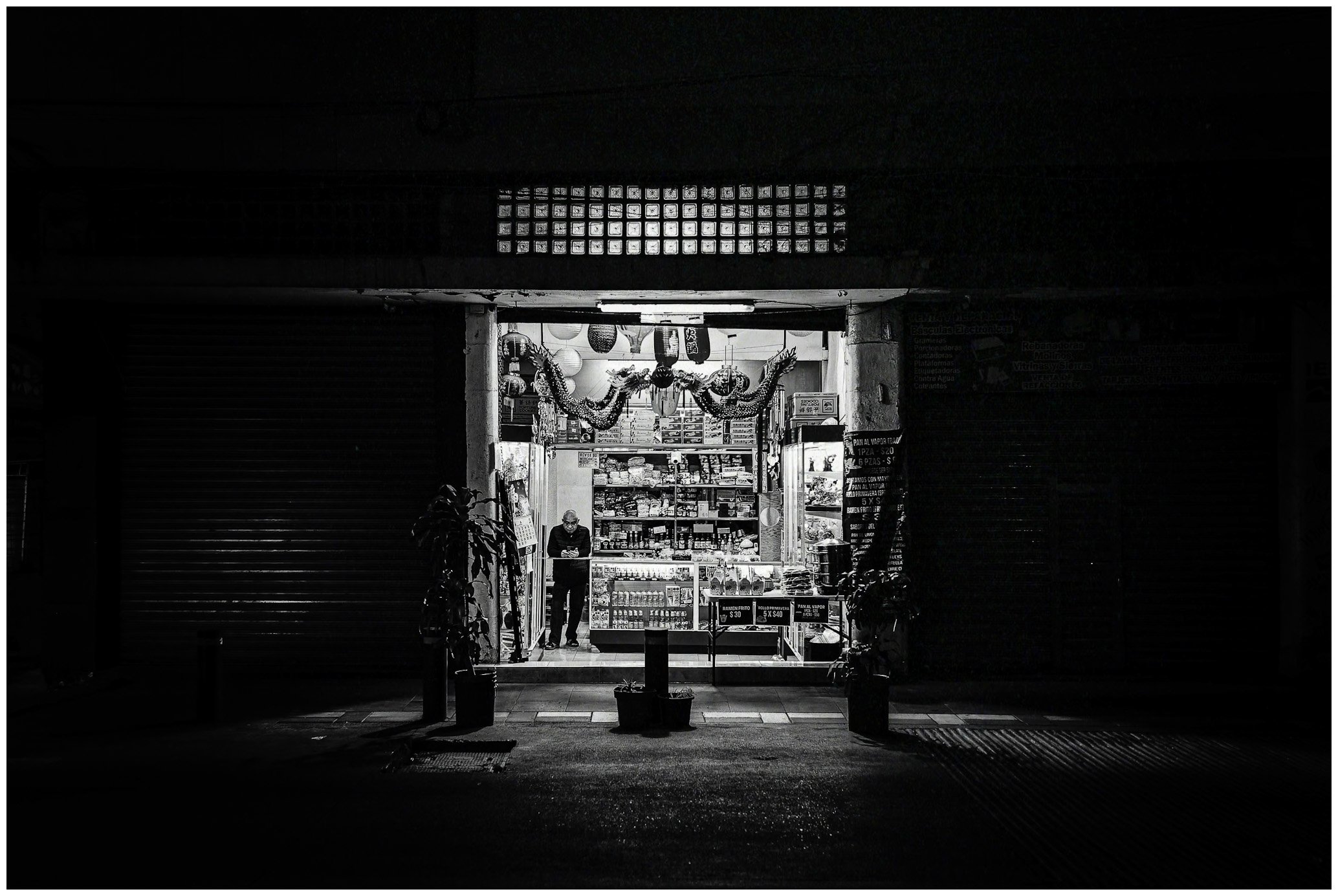
Loan shop owner one evening in Mexico’ City’s Chinatown.
Instagram was emerging, yet to reach its current prominence, while Twitter served more for microblogging and textual sharing. Despite photographers being present on these platforms, they weren't the primary choice for showcasing work as they are today. Nevertheless, the allure of social media's growing popularity gradually diverted my attention from the traditional means I once believed would offer greater opportunities and visibility.
Unbeknownst to me, the algorithms governing these platforms began to dictate visibility, sometimes hindering rather than aiding my goals. Consequently, I've decided to revive the practice of blogging and self-publishing on my website. It's not about seeking attention or validation; rather, it's about reclaiming autonomy and control over my content.
Here, on my platform, I can share my thoughts and images without the pressure to compete for likes or followers. Instead, it's about the pure joy of expressing myself and capturing moments that resonate with me. I aim to return here frequently, perhaps even daily, or at least weekly, to share my musings and the moments I cherish.
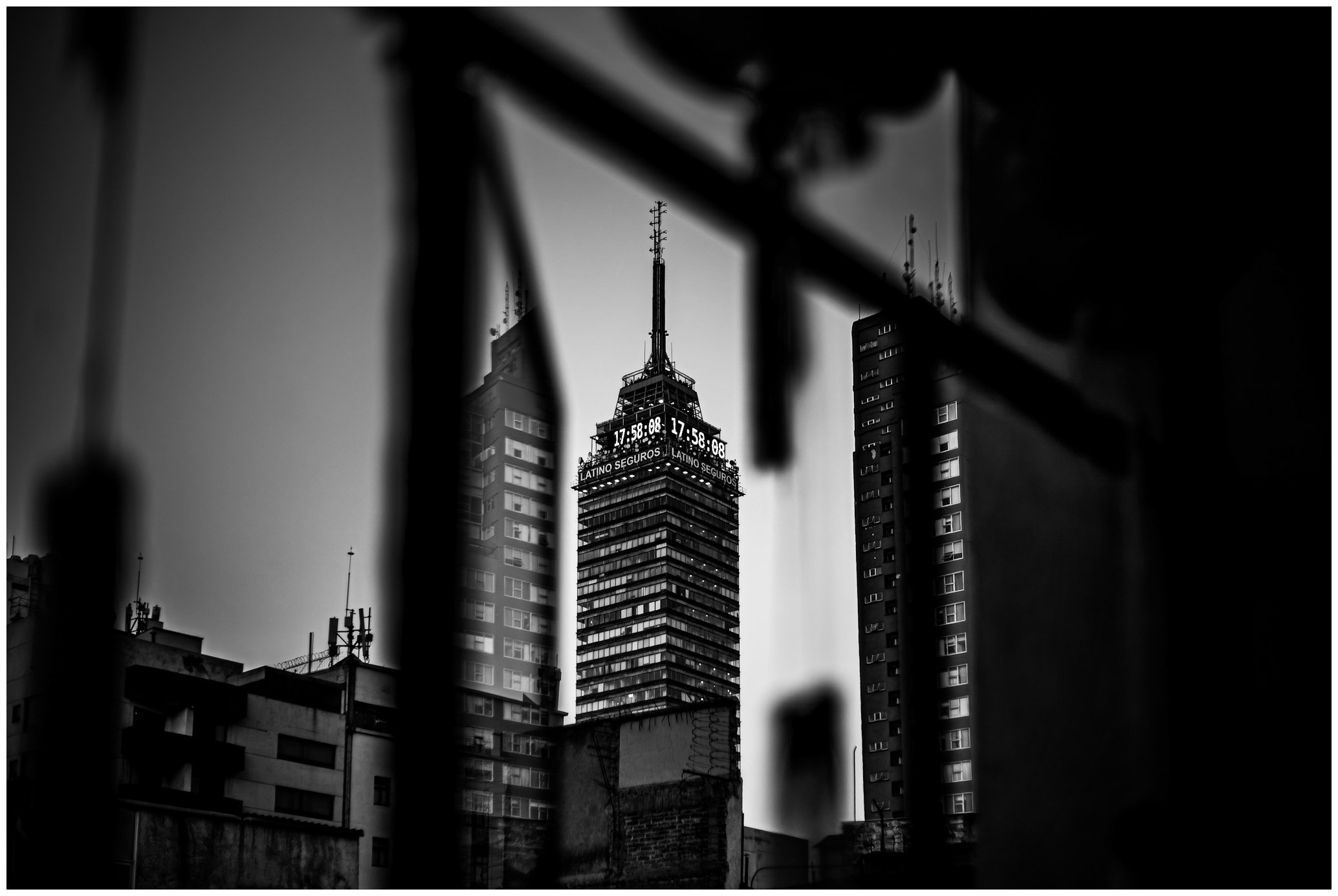
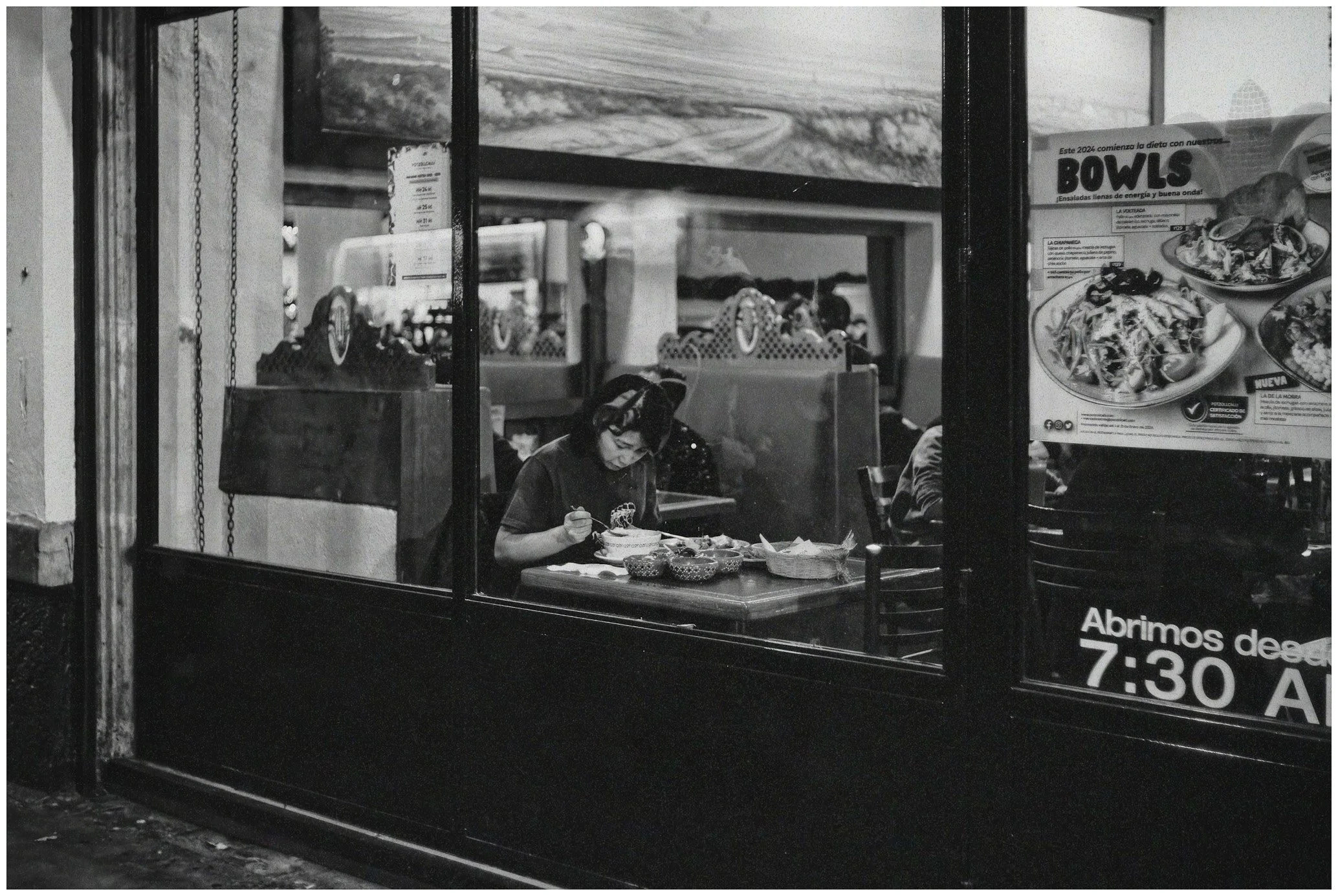
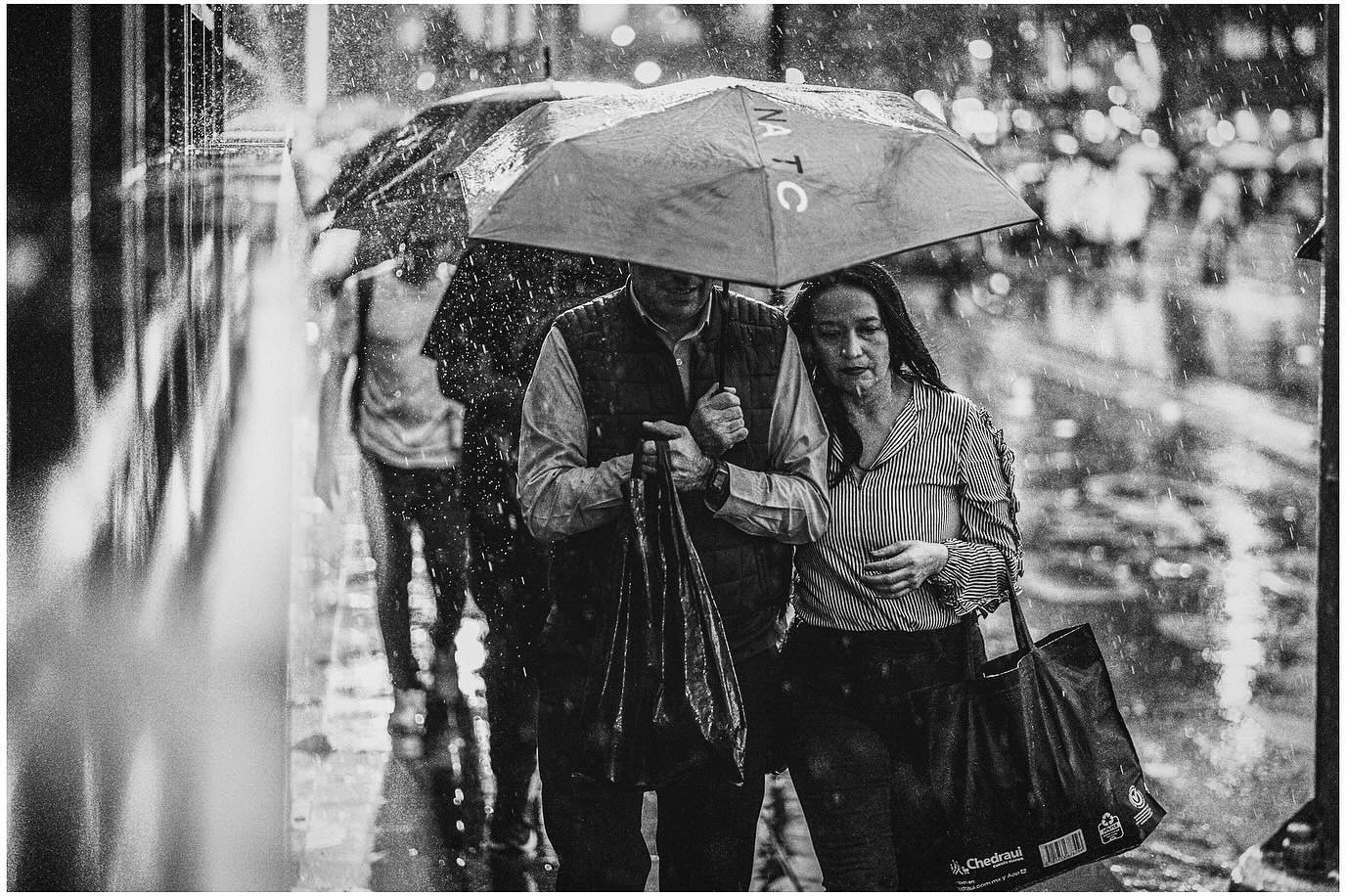
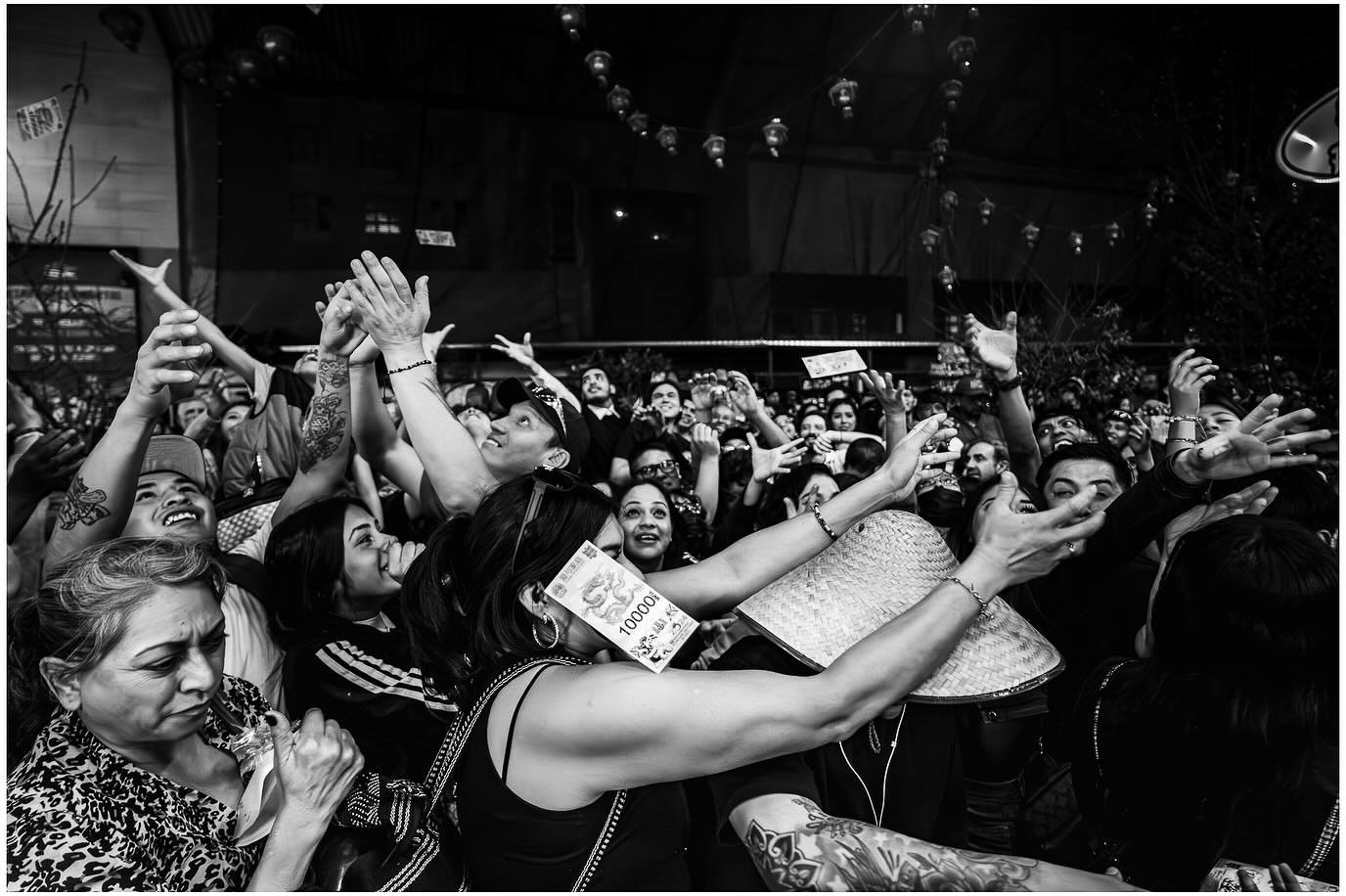
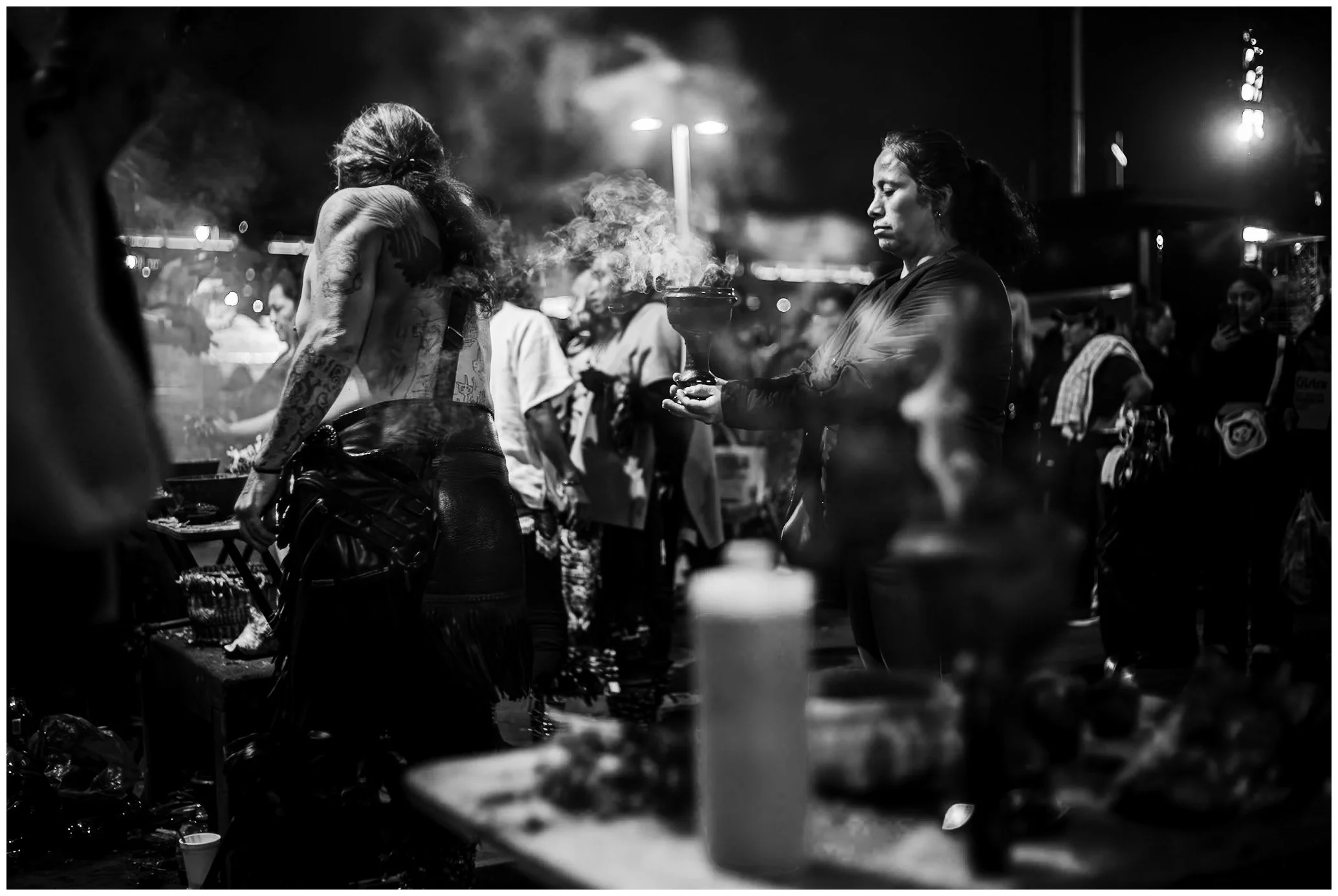
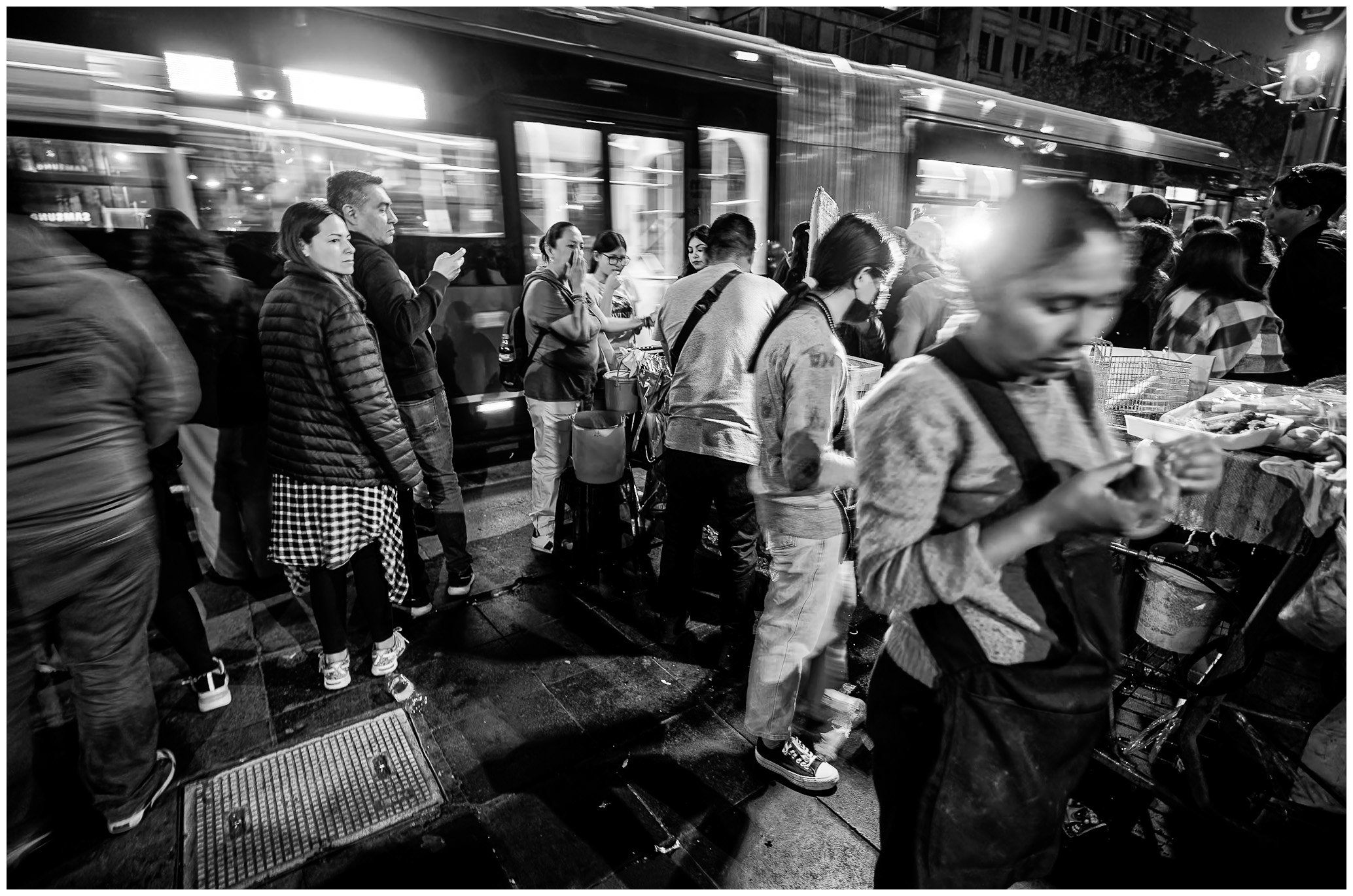
With that said, allow me to leave you with a glimpse of recent and not-so-recent moments captured during my walks through the vibrant streets of Mexico City.

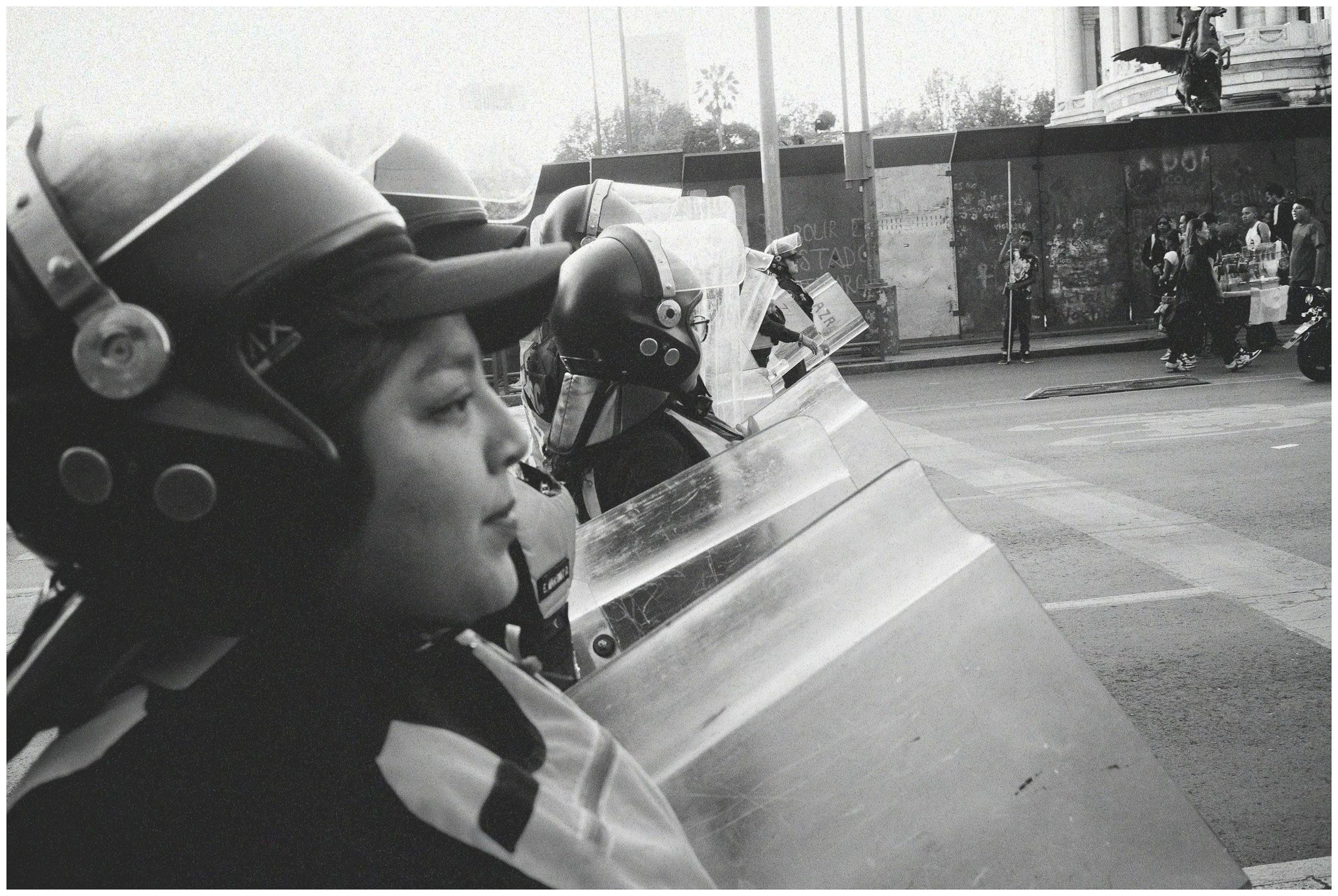








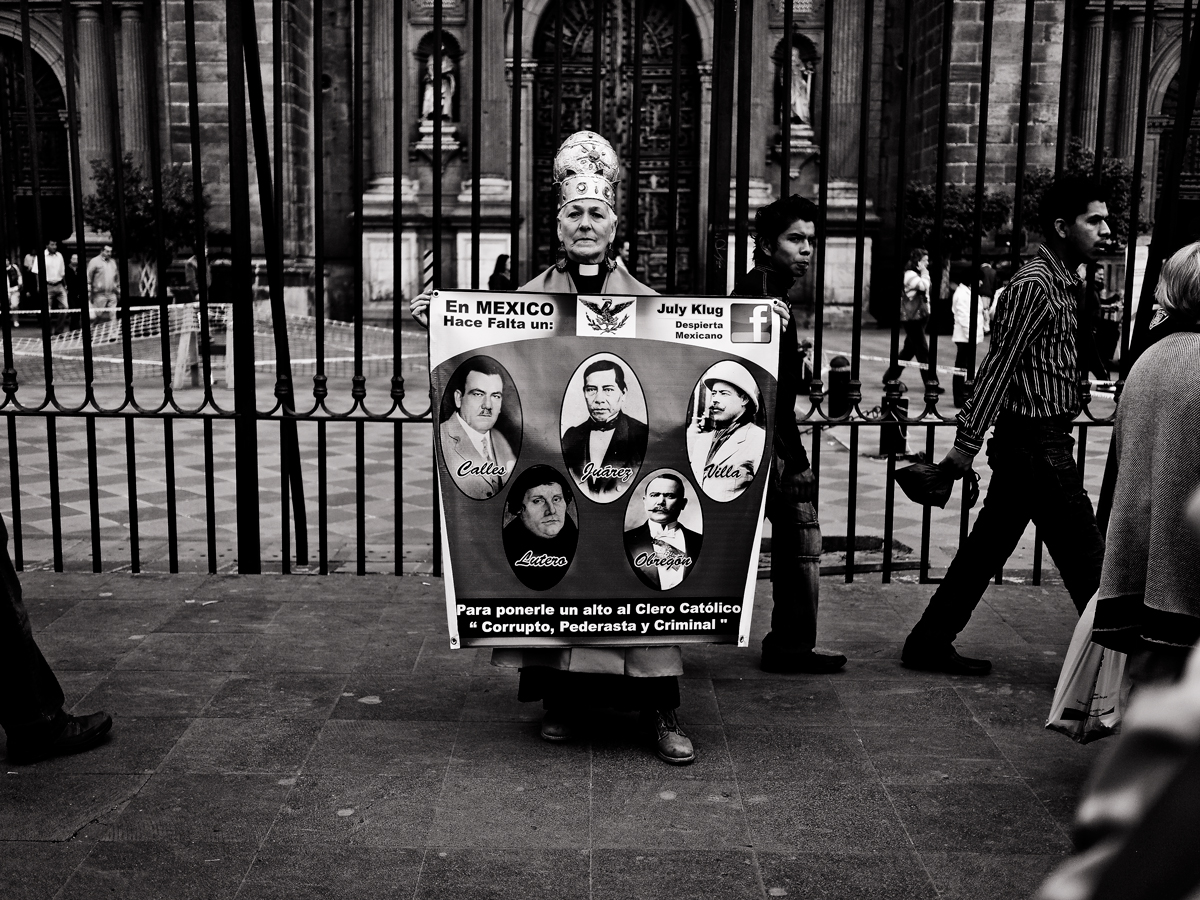
Julia Klug
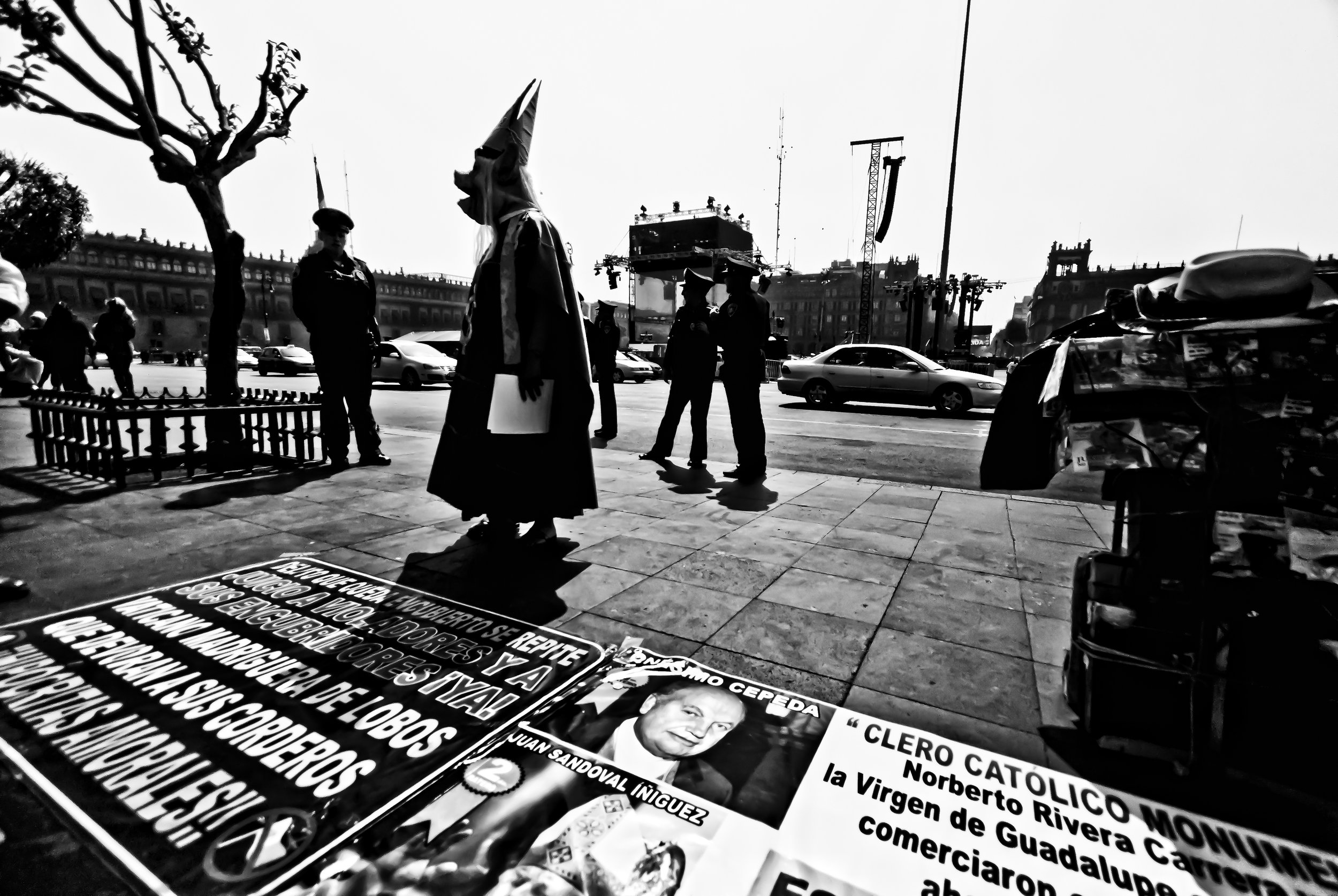
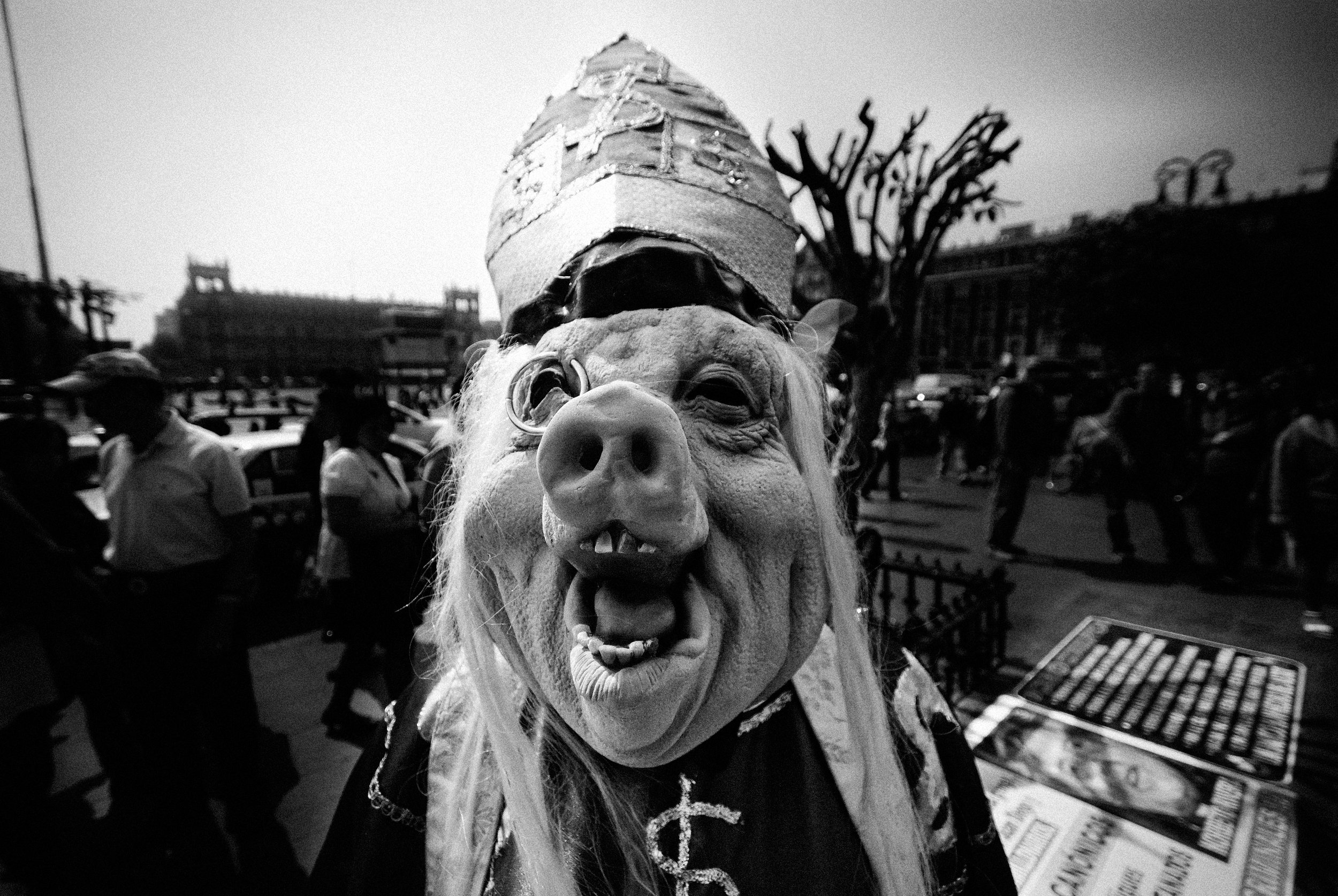
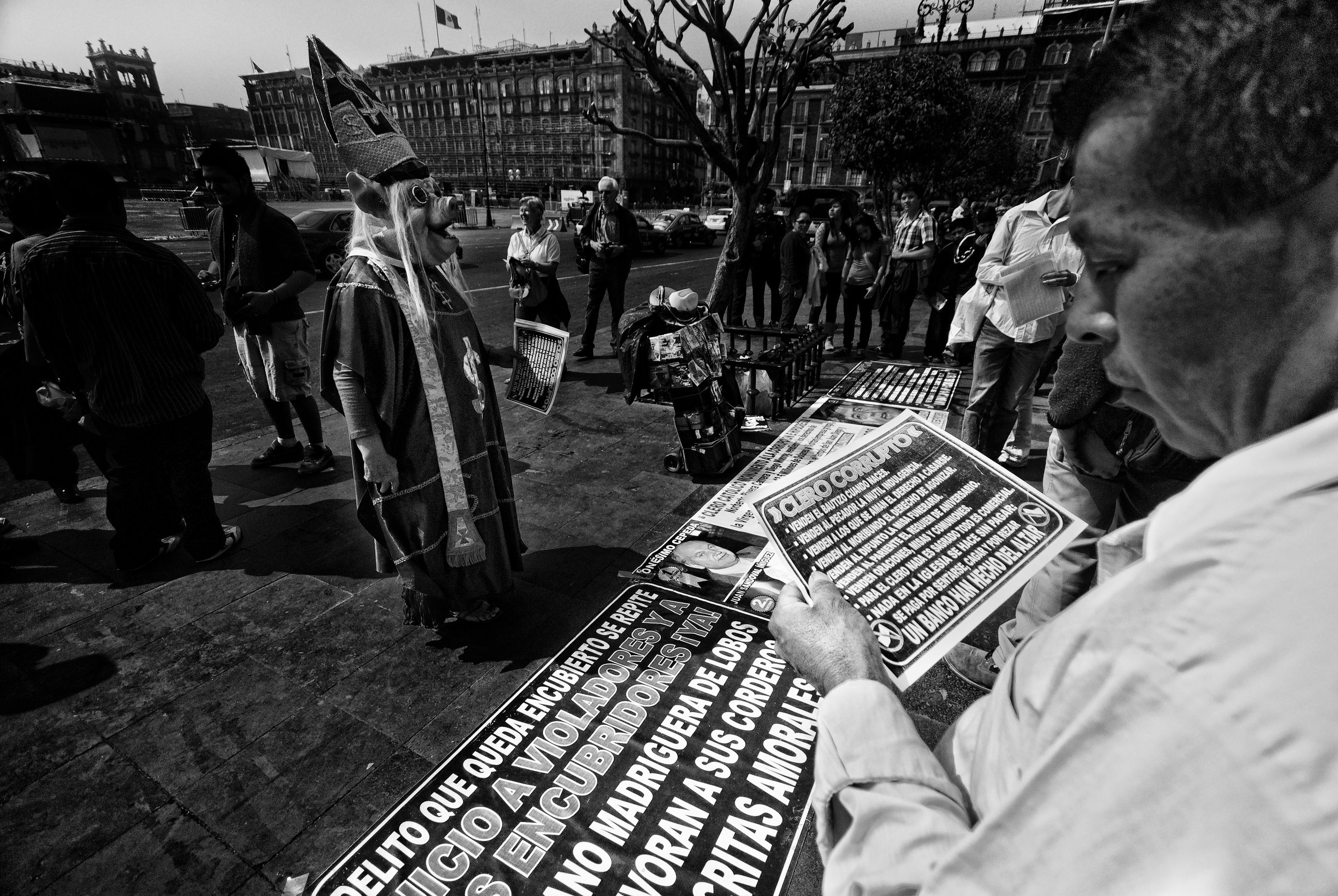
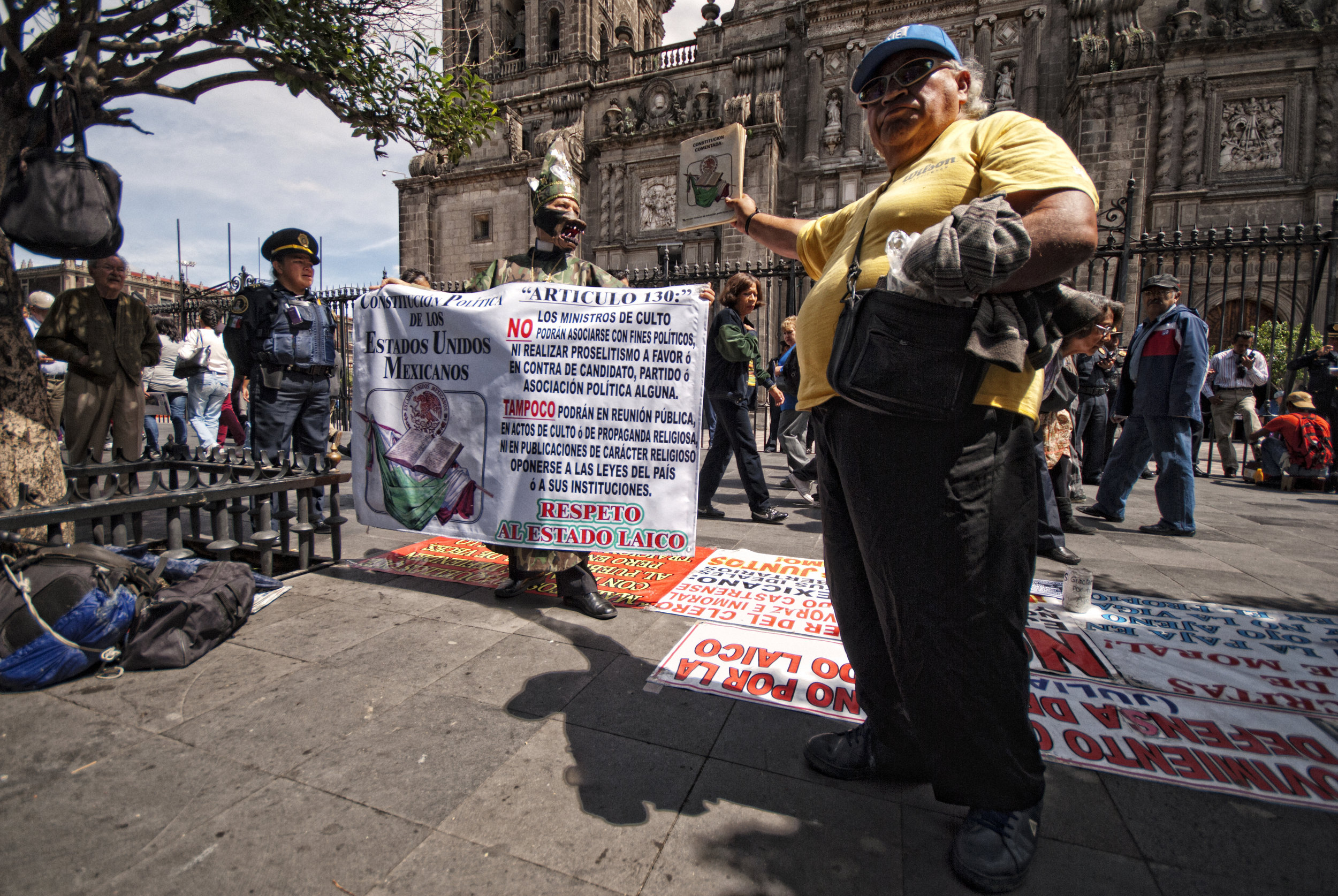
Julia Klug is an activist who has been spearheading a call for justice against pedophile priests in Mexico's Catholic church. A victim herself of abuse as a child she executes her efforts to bring attention to corruption within the Church and in the Mexican government while facing threats from those unsympathetic to her cause.

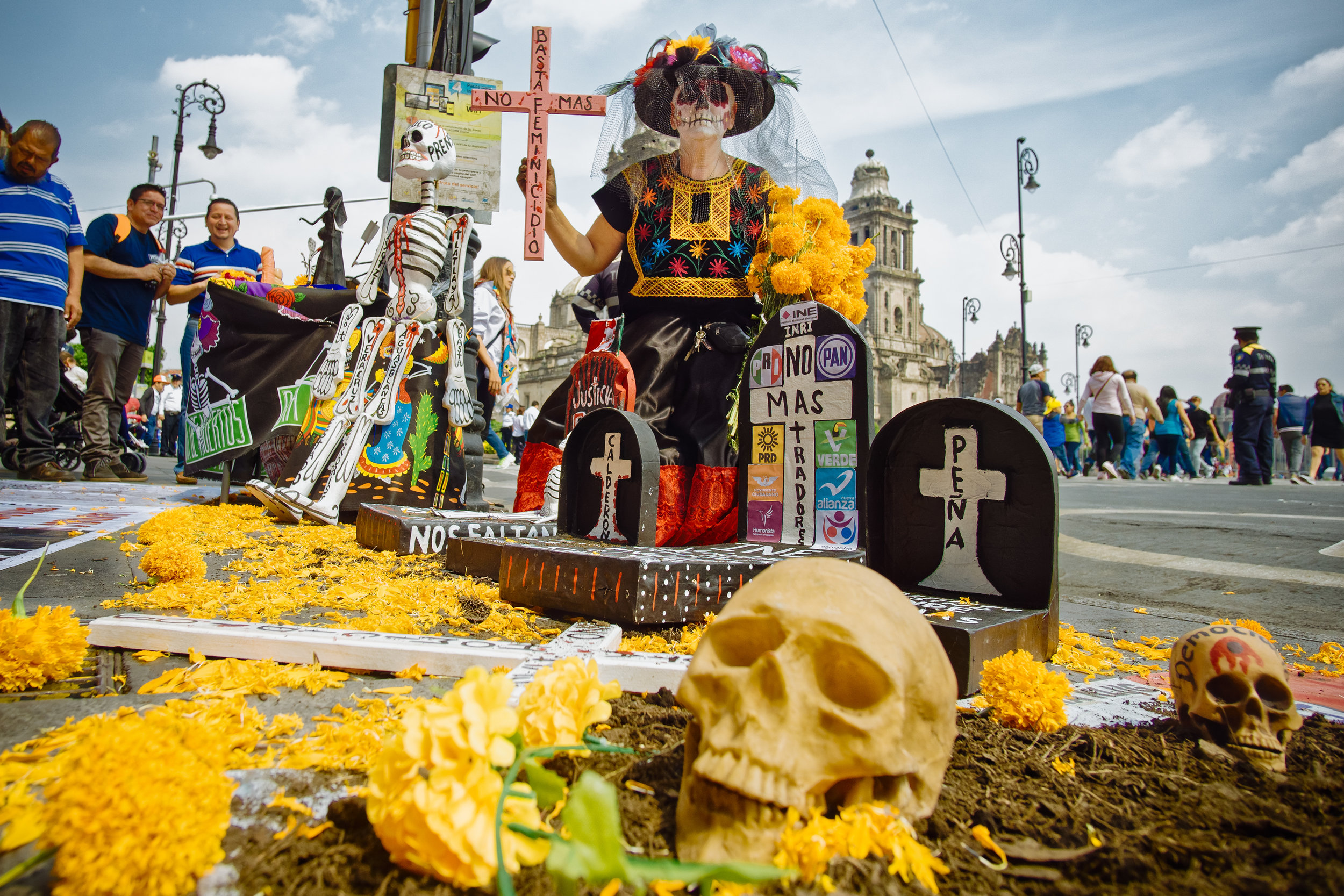
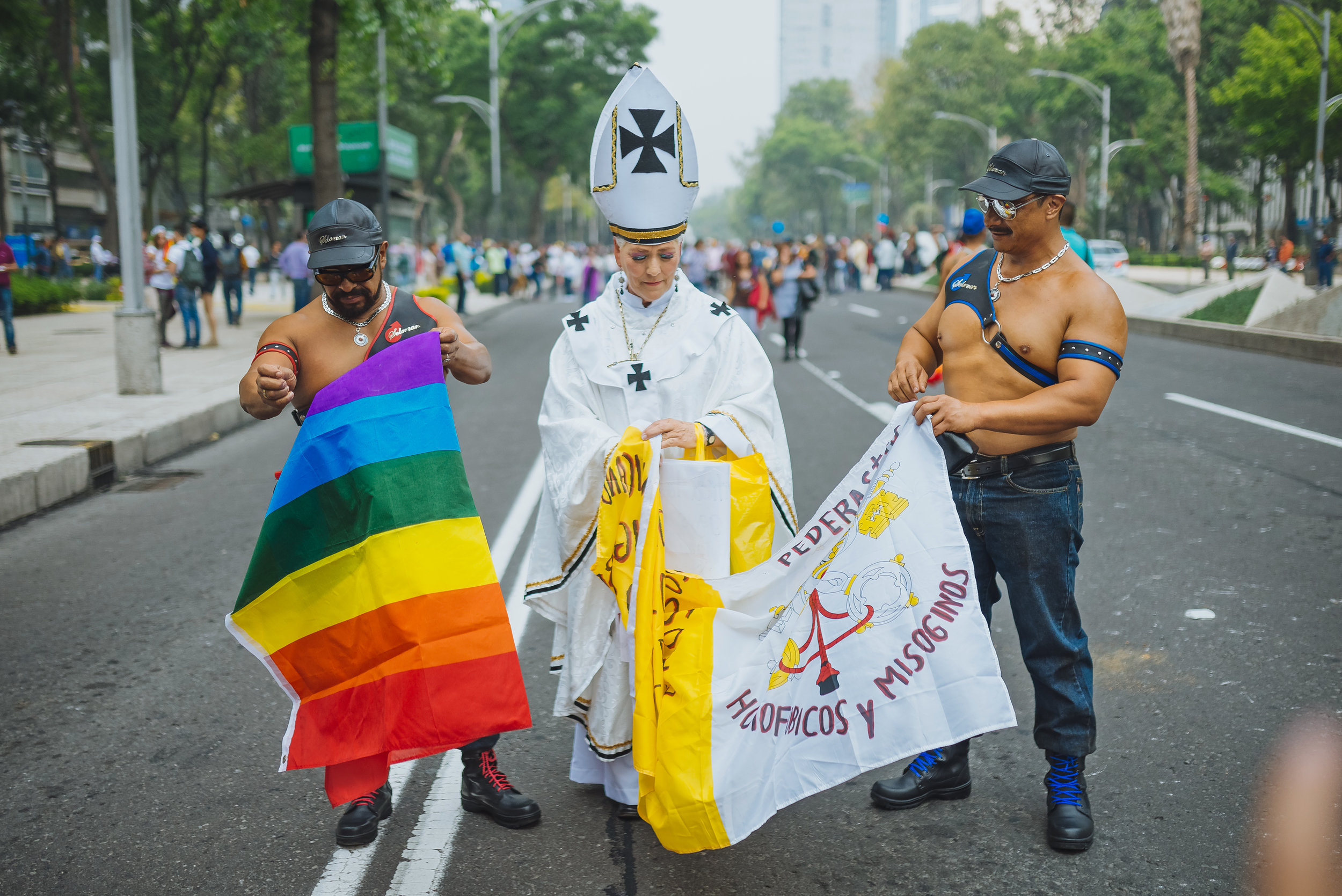
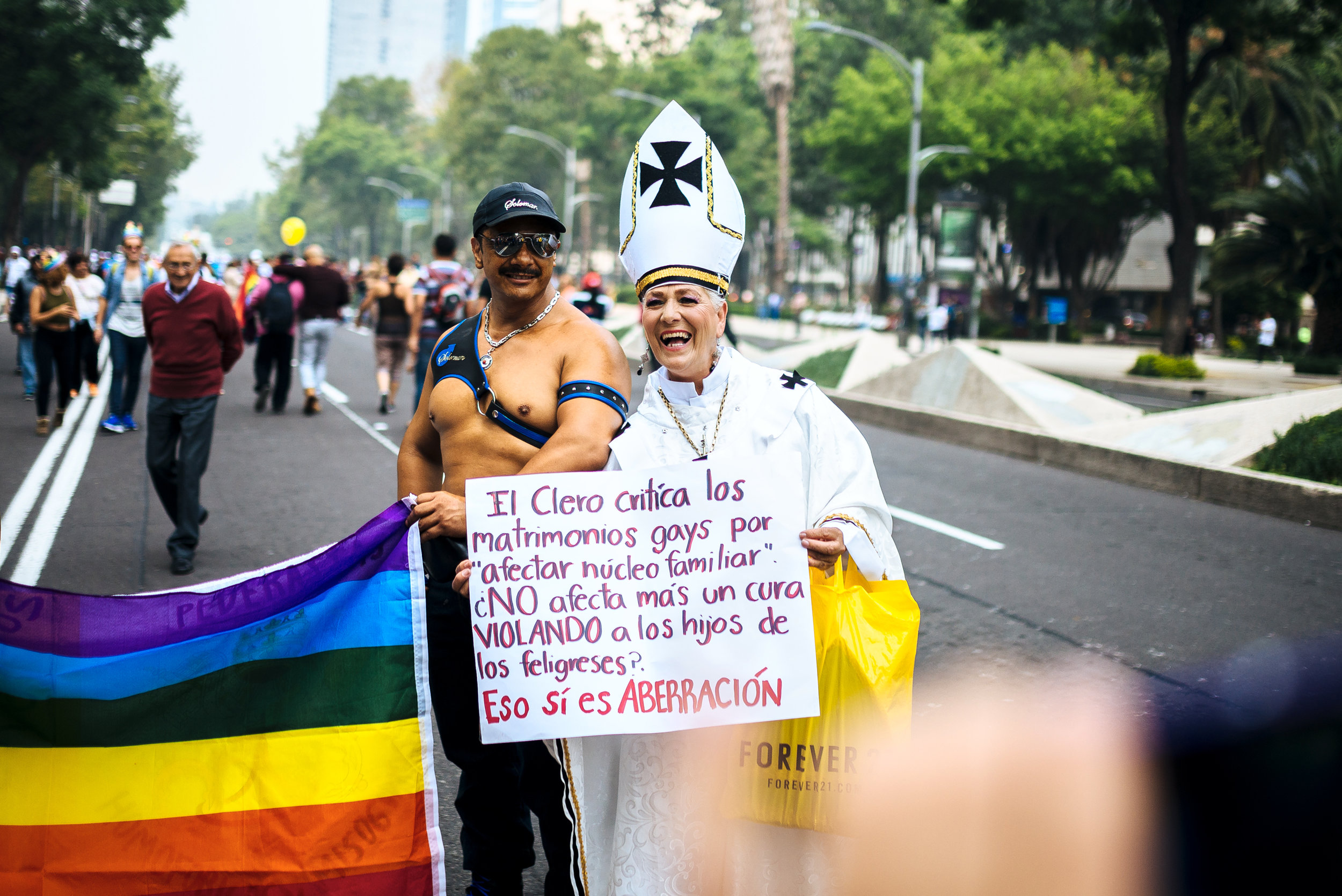
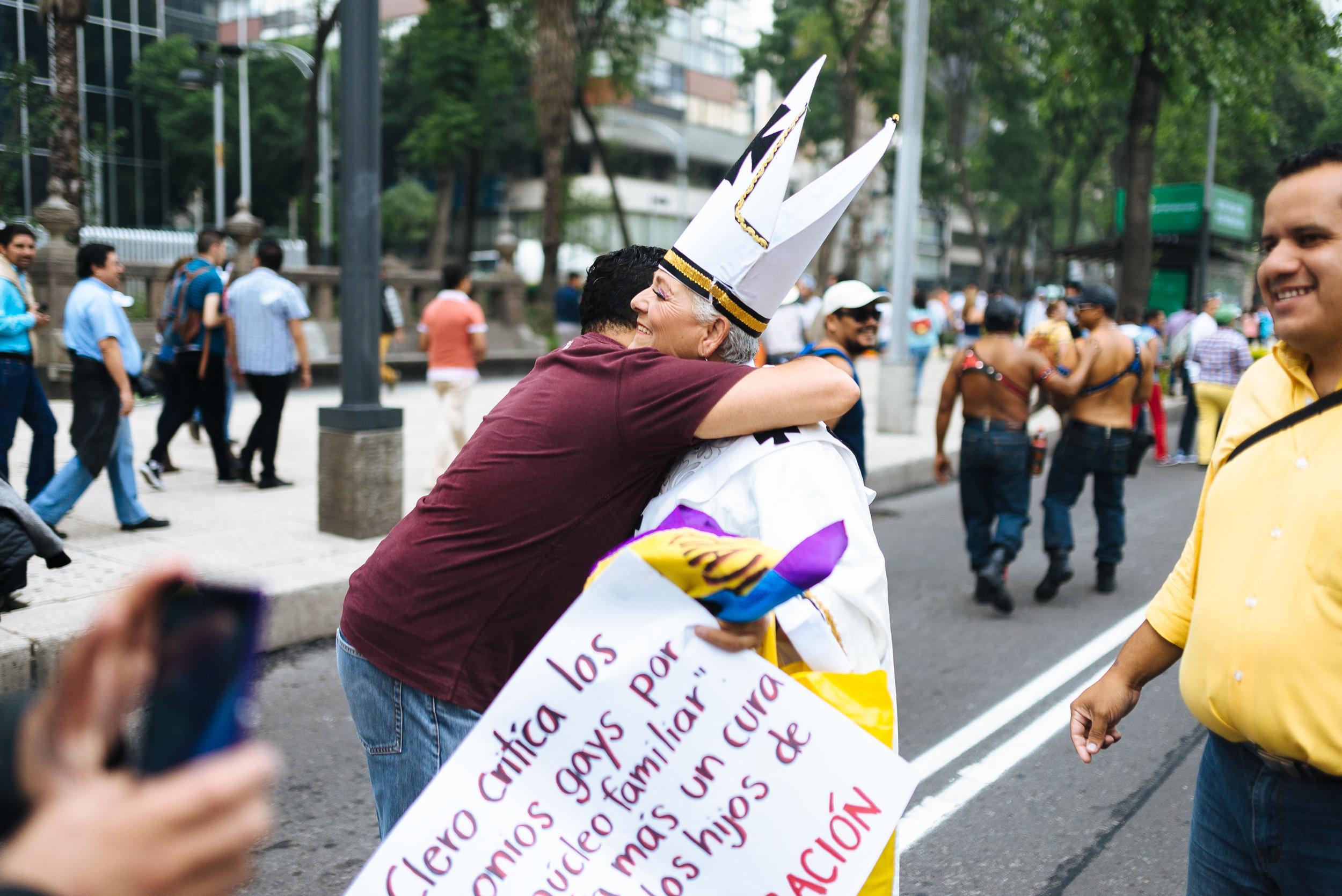
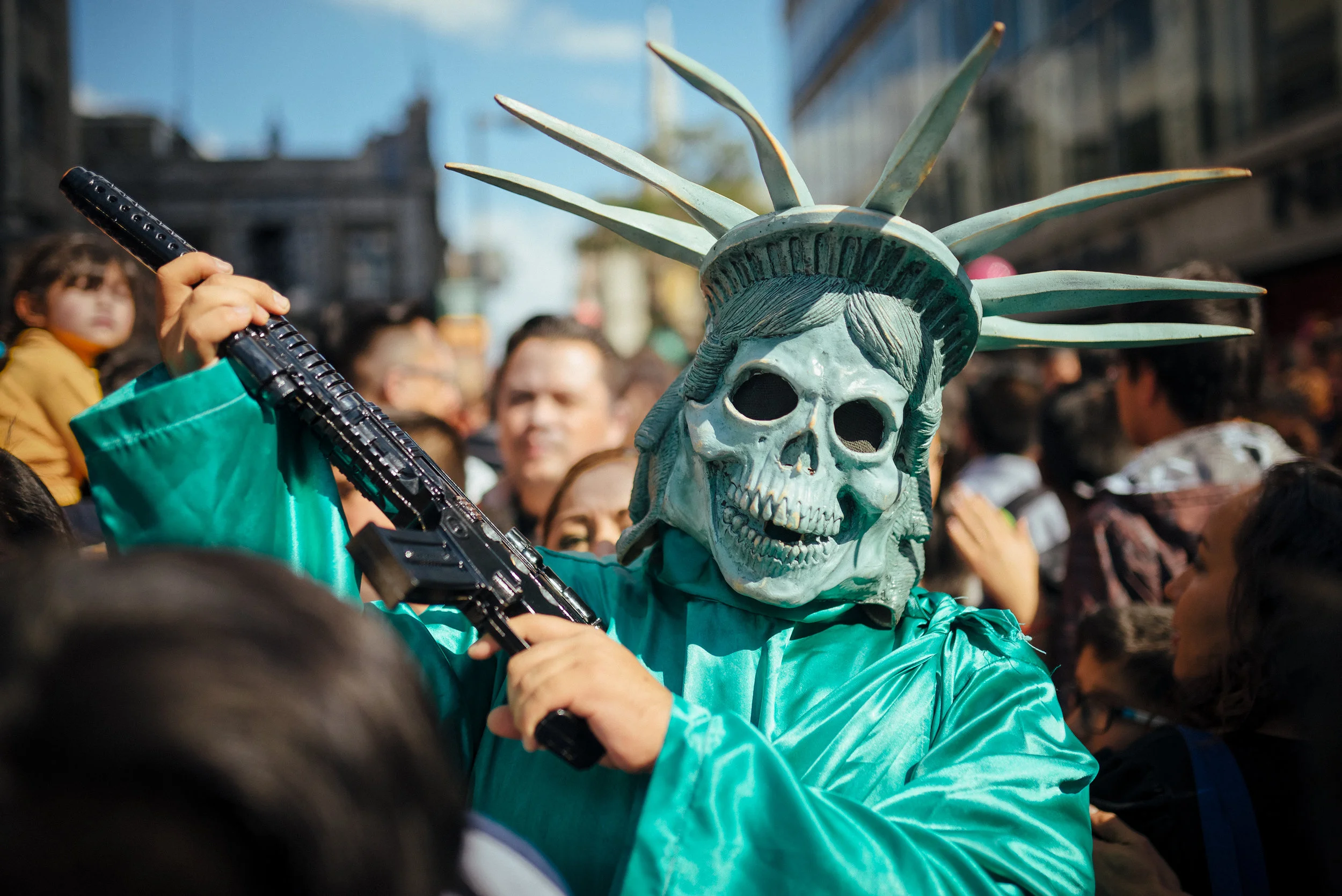
Land of the free, that was?
The ongoing debate over flags, statues, and historical symbols in America highlights a troubling pattern: a selective appreciation of history that serves the interests of a few, often at the expense of a more honest narrative. This dispute isn’t just about monuments—it’s about who gets to define what it means to be American.
It’s striking to recall that, just before the tragedy in Charlottesville, many had already begun to forget the heated exchange between Stephen Miller and CNN’s Senior White House Correspondent Jim Acosta. Their debate over the historical significance of the poem inscribed at the base of the Statue of Liberty was a preview of the larger ideological battles to come. Miller dismissed Emma Lazarus’s famous words—“Give me your tired, your poor, Your huddled masses yearning to breathe free”—as an afterthought, a mere addition that came long after the statue was erected. By his logic, the poem was irrelevant to the statue’s original purpose as a symbol of liberty.
Yet history tells a different story. The poem, donated by Lazarus in 1883 and inscribed on the pedestal in 1903, was more than a decorative flourish—it was part of a broader effort to fund the statue’s installation. More importantly, Lazarus herself was deeply engaged in helping Jewish refugees fleeing anti-Semitic pogroms in Europe. Her words transformed the Statue of Liberty from a mere monument into a moral beacon, a promise to the world’s oppressed.
To diminish that legacy is to rewrite history. And as this debate rages on, it’s clear that the struggle over America’s identity is far from over.

Though somewhat technically right, Miller’s understanding of what Lady Liberty stands for is farther from the truth than he would care to admit given his history and policy hopes for the nation; Miller, known for his dark nationalist speeches written for President Trump, is among a few white nationalists at the White House —including President Donald Trump— hoping to take back America for whites who perceive themselves as repressed and threatened by people ethnically, morally, and religiously inferior themselves. Historically, America has been down this road before with the likes of the Know Nothing Party in the late 1850s and again in early 20th-century with the rise of eugenics and nativists policies that lead to sterilizations and the 1924 Immigration Act; the latter sought to restrict the flow of immigrants down to white Nordic types. Poor Italians and Irish were at the time viewed as inferior with their Catholic faith representing a moral threat to white, Protestant values.
Miller would serve his intellect well by paying attention to a widely ignored historical fact: that the Statue of Liberty was birthed in the mind of abolitionistÉdouard René de Laboulaye —presidentin the late 1800s of the French Anti-Slavery Society; furthermore, though the statute was gifted to the United States of America in commemoration of its 100th birthday, Labloulaye sought to honor the victory of the Union army in the Civil War and its consequences, which included the emancipation of black slaves --keep in mind those chains at the feet of the statute (see [Black Statue of Liberty - Summary Report - Statue Of Liberty National Monument (U.S. National Park Service)](http://bit.ly/2wKKoZi)).
As Americans, we need to ask ourselves why some of us are still dangerously clinging to a delusional and false historical romanticism involving traitors and immoral slaveholders who sought to keep slavery alive at the expense of a nation that was set on the cornerstone that all men were created equal. Why not seek to remember or rediscover the origins and the meanings of those symbols that unite us as Americans and define the struggle to nurture the values of freedom and liberty we claim to uphold? The Statue of Liberty and Emma Lazarus' sonnet are a good place to start if we are to query and memorialize those images, and words, that are meant to unite in lieu of picking at unhealed, festering wounds.
Colossus
Not like the brazen giant of Greek fame,
With conquering limbs astride from land to land;
Here at our sea-washed, sunset gates shall stand
A mighty woman with a torch, whose flame
Is the imprisoned lightning, and her name
Mother of Exiles. From her beacon-hand
Glows world-wide welcome; her mild eyes command
The air-bridged harbor that twin cities frame.
“Keep, ancient lands, your storied pomp!” cries she
With silent lips. “Give me your tired, your poor,
Your huddled masses yearning to breathe free,
The wretched refuse of your teeming shore.
Send these, the homeless, tempest-tossed to me,
I lift my lamp beside the golden door!”
- Emma Lazarus
With the bakers
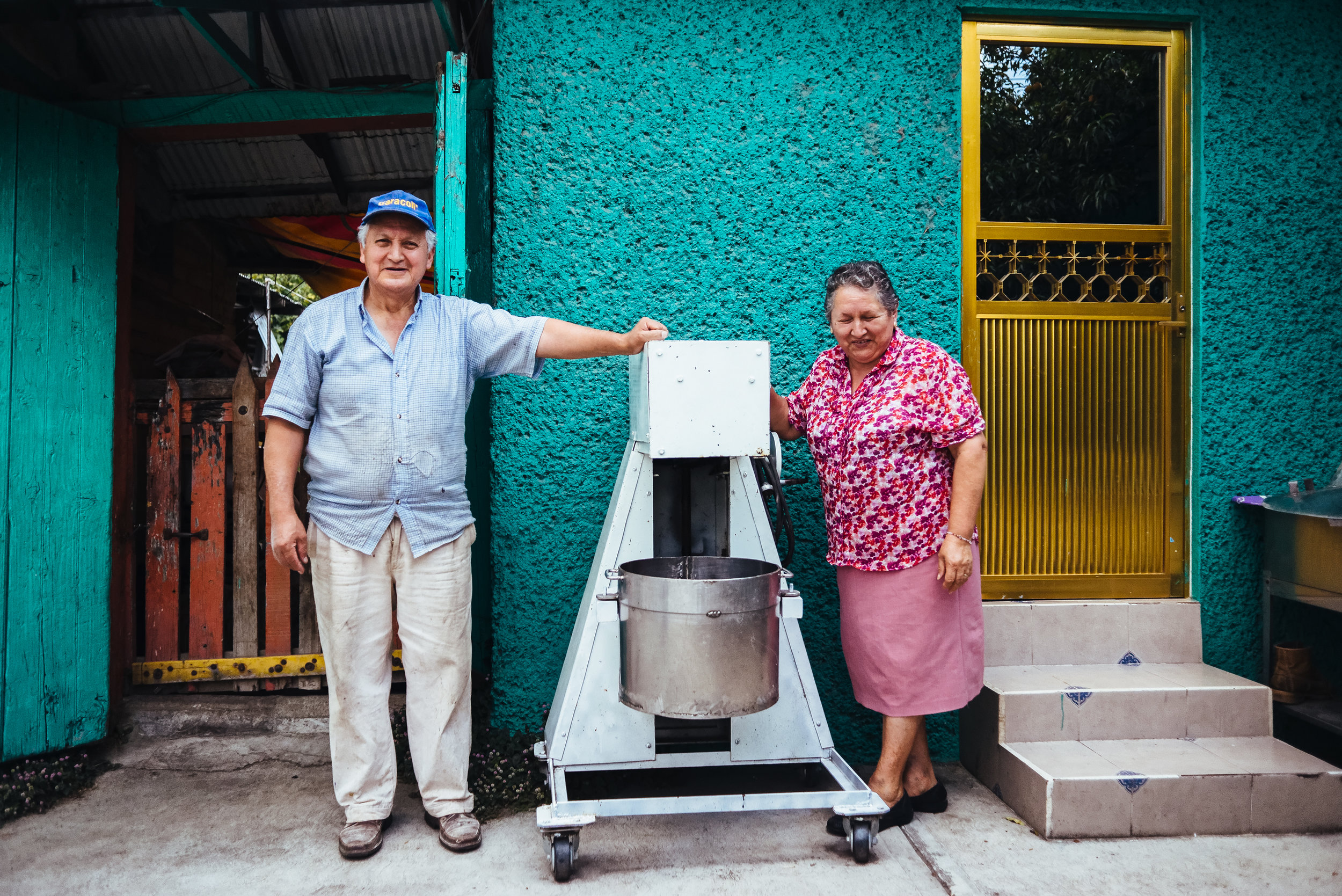
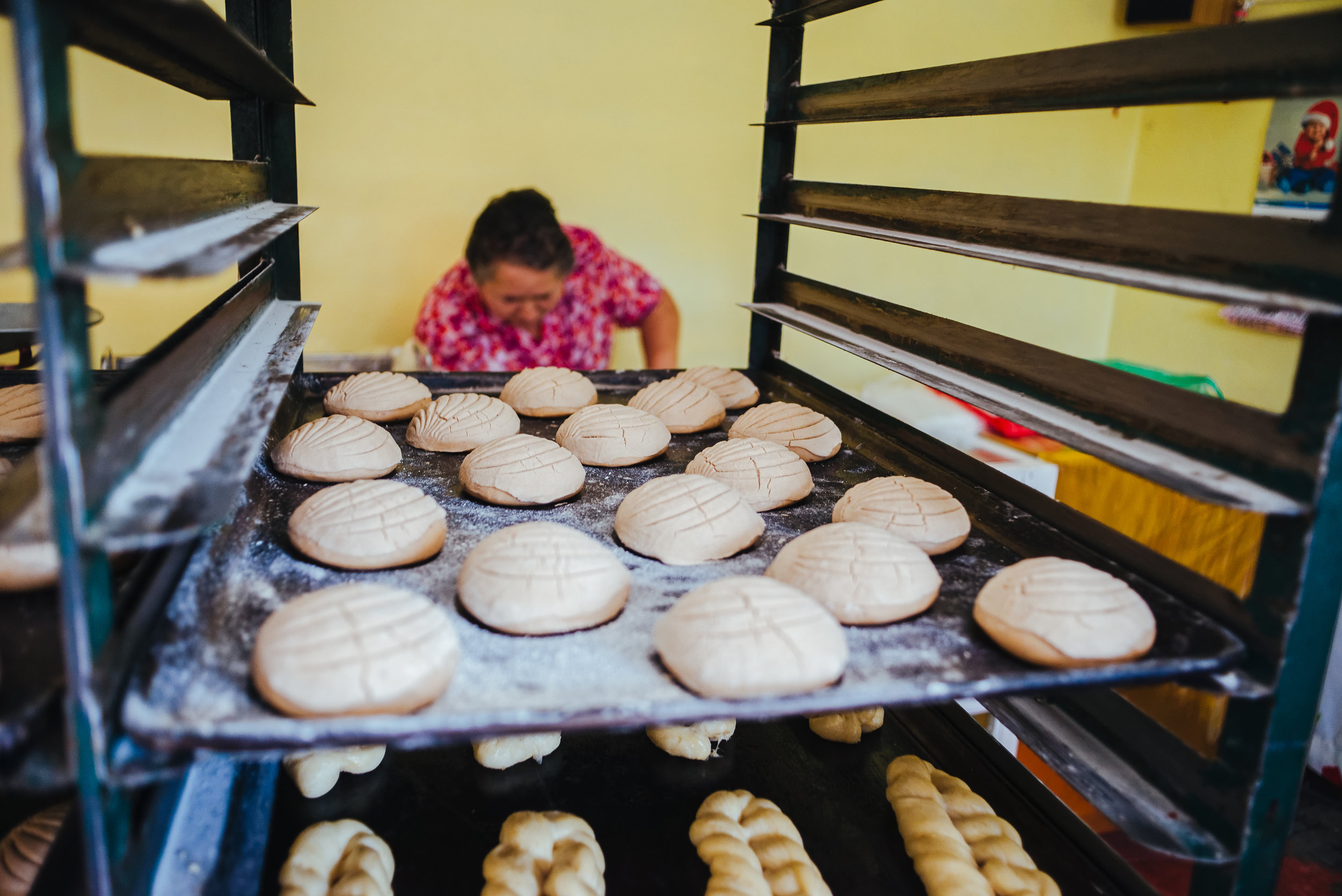
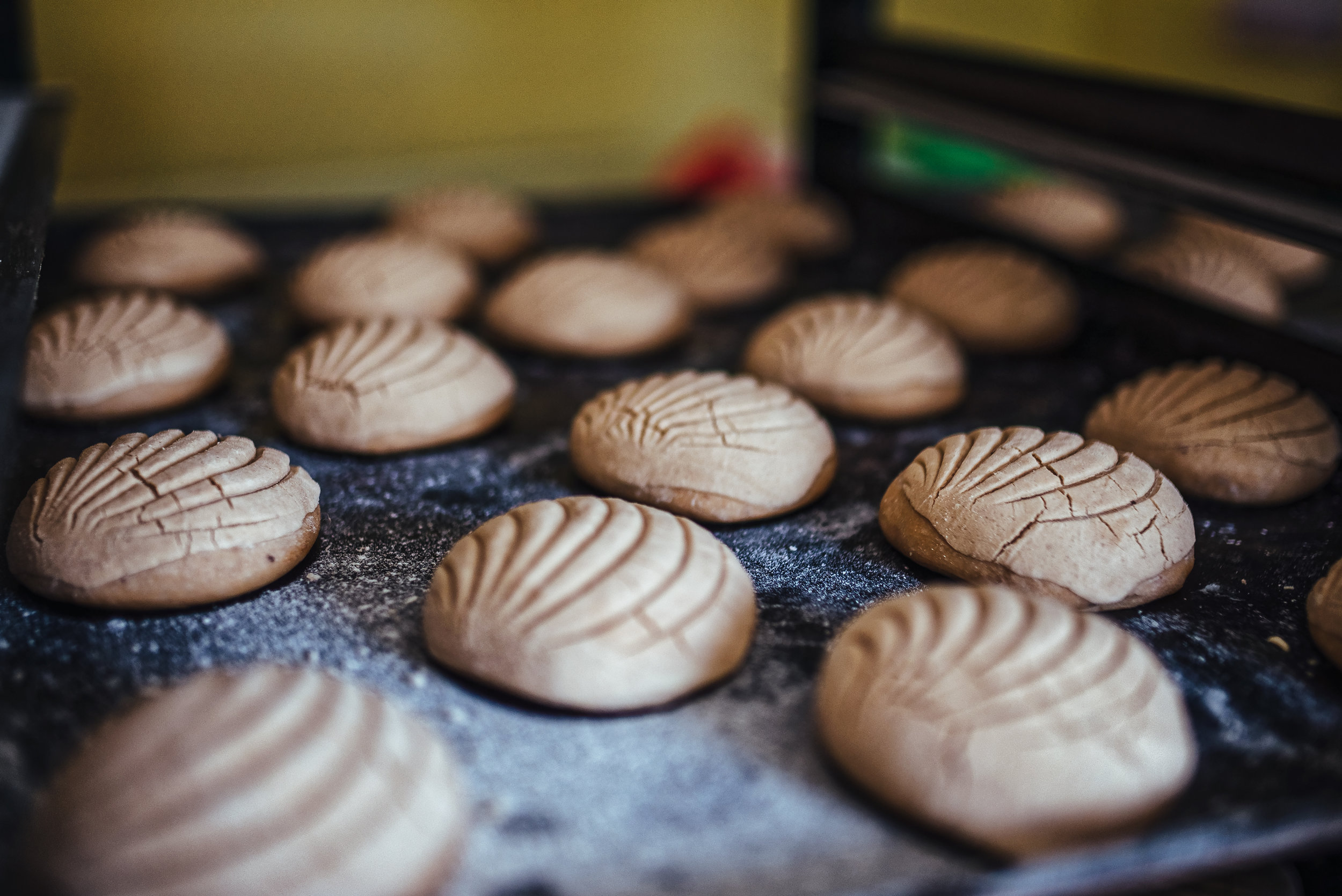
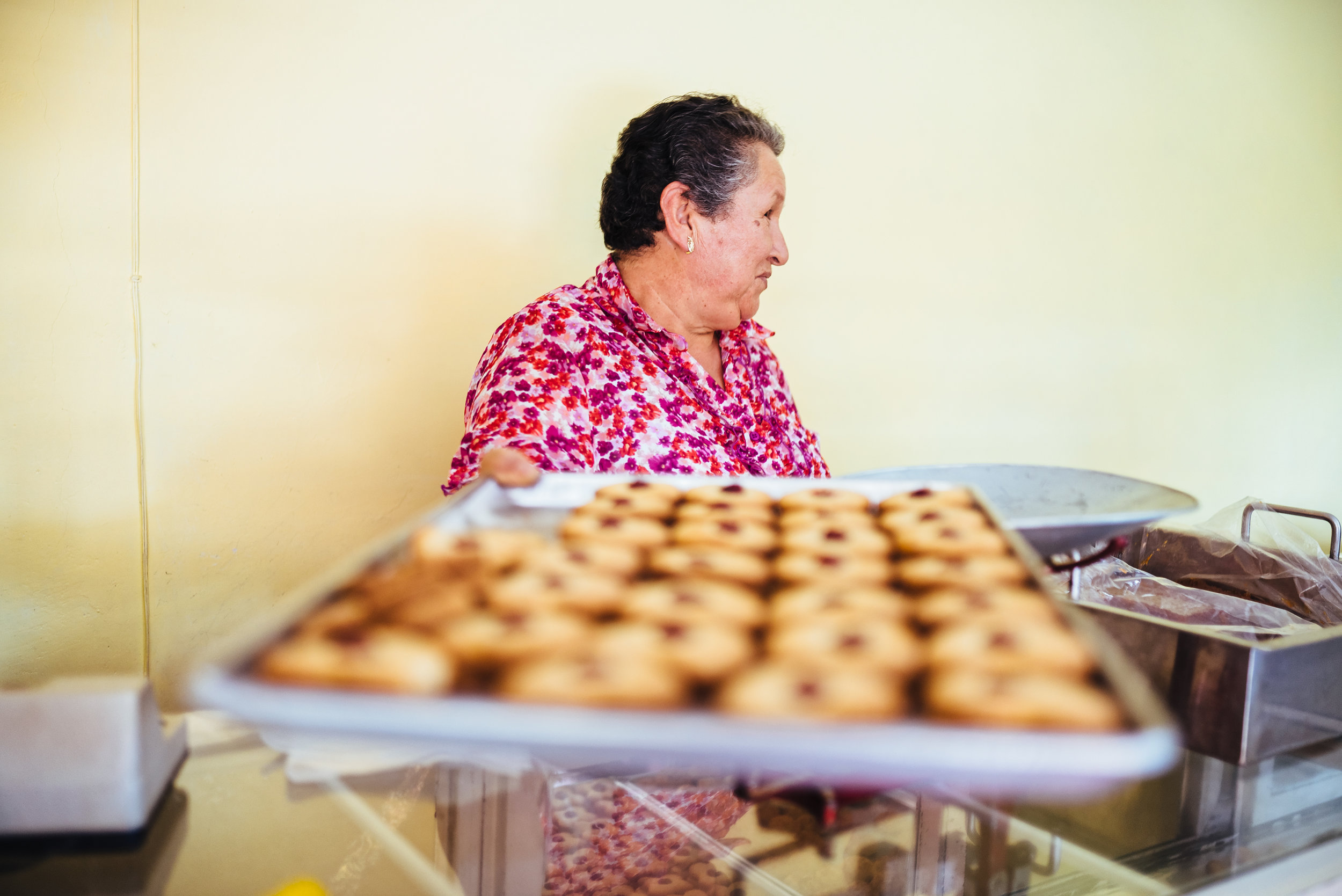
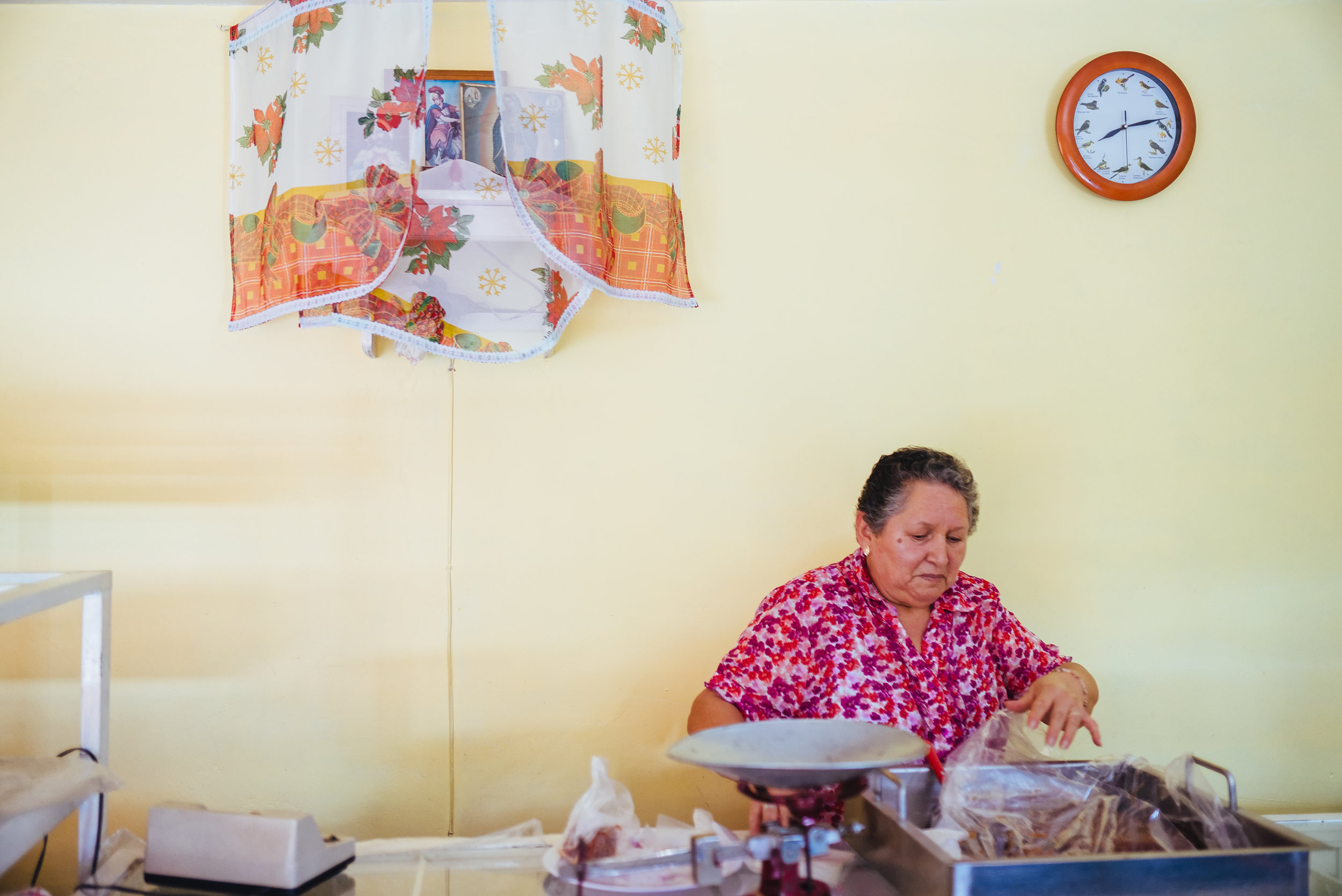
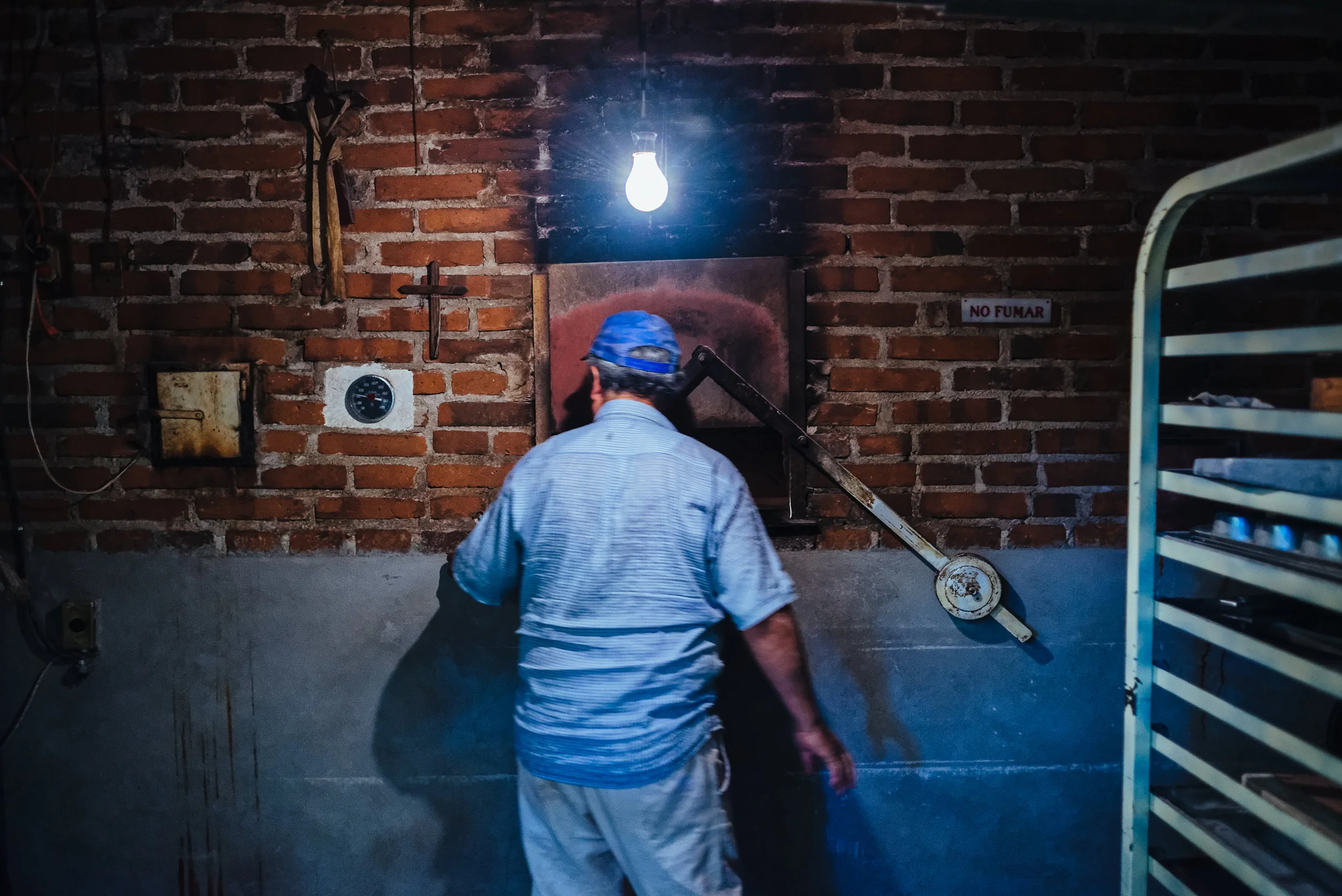
In late 2015 my wife and I were invited to join a friend and his wife --Juan and Esther-- on a two-hour excursion outside Mexico City in San Rafael Atlixco. For days he nostalgically took us on a tour down memory lane detailing his family history and upbringing against the backdrop a place that had once been very commercially active in the 20th Century; it had been the town's golden century, that is until the French operation went belly up.
Knowing my obsession for meeting people and documenting life, Juan took me to meet the owners of a local bakery walking distance from his spacious and recently renovated weekend home.

A matter of faith
Image made during an Evangelical Christian parade along 5 de Mayo in downtown, Mexico City.
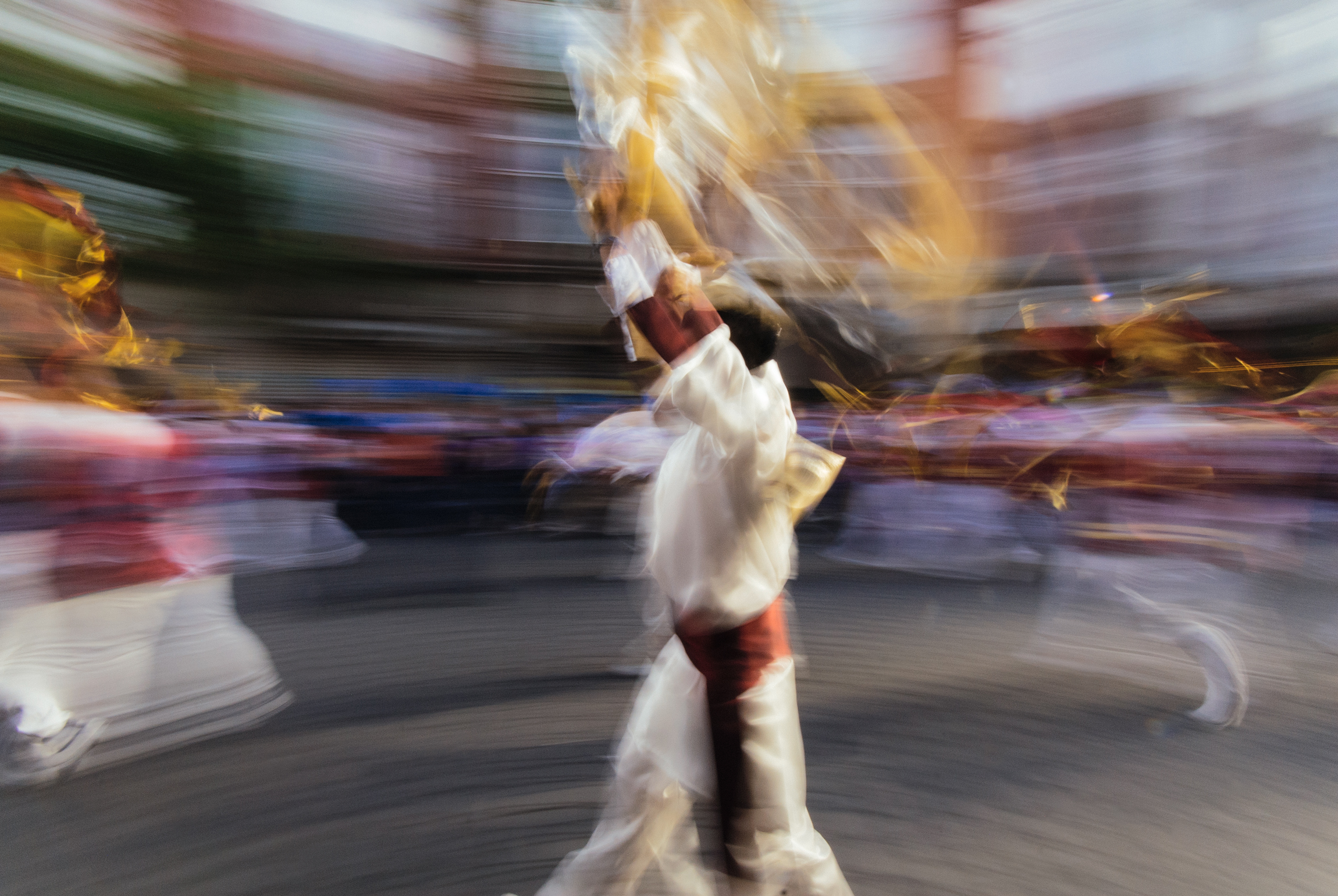
An image I captured in Mexico City's Historic Center in 2013. It was the first time I had seen a major Christian Evangelical exhibit representing the Evangelical movement in Mexico and in great numbers. The Catholic religion is the primary faith in Mexico yet it appears that in recent decades there has been a surge in the number of people flocking to other faiths the Vatican depicts as sects and false religions.
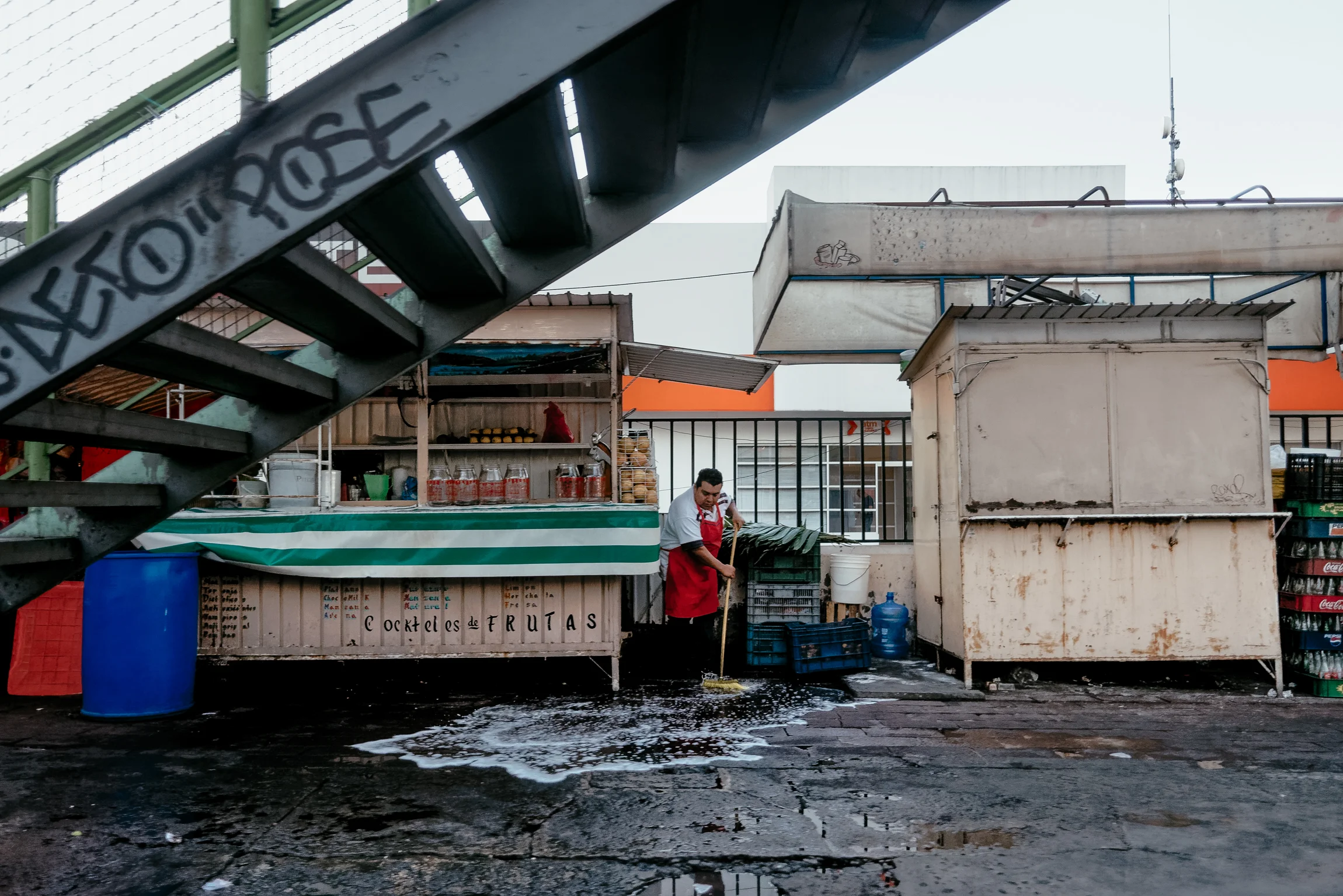
Scrub
An afternoon scrub after the rain somewhere along Canal de Miramontes in Coyoacán, Mexico City.
Keeping things clean is a common struggle in this city. Sometimes, dust just seems to appear out of thin air within seconds of its removal. This sweeping and scrubbing of sidewalks is a practice that still intrigues me given

Metro Zócalo
Woman selling on the steps of the Zócalo Metro exit/entrance.
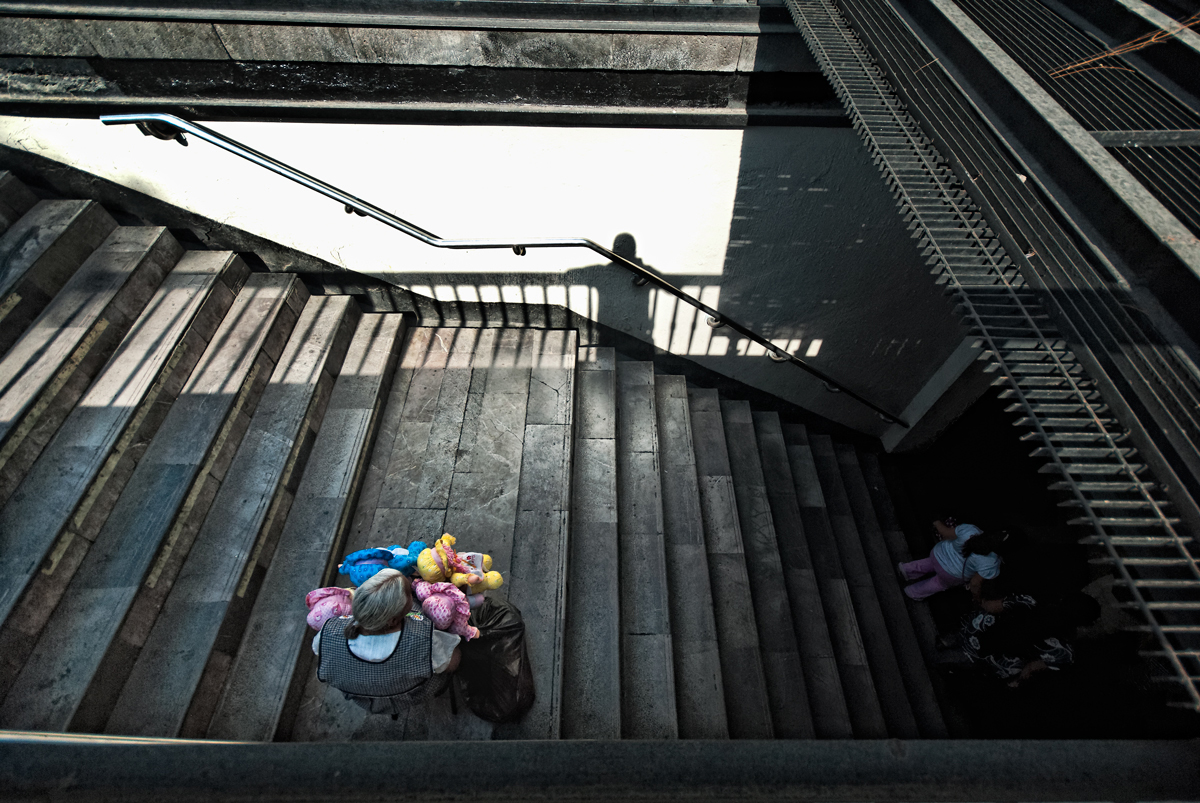
An elderly woman vending on the steps of the Zocalo Metro station in Mexico City.


Tacos
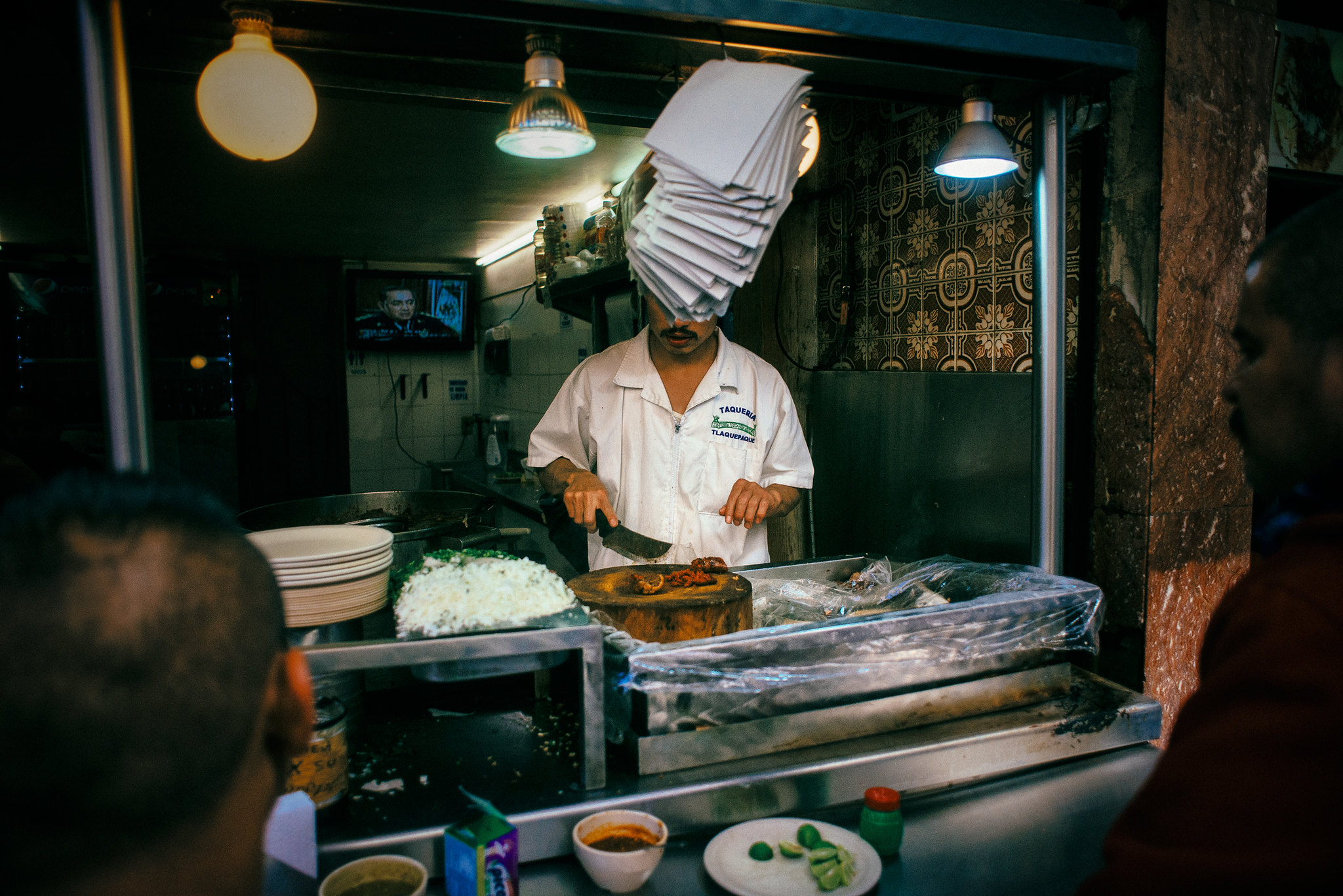
A taco spot on Av. 5 de Mayo in downtown, Mexico City.
La preparación de una comida local en un puesto de tacos sobre la Av. 5 de Mayo en el Centro Histórico de la Ciudad de México.
It's been a month since my last post. I needed some time to step back from my photography and attempt to evaluate what is wrong or can be improved in my image making. It's hard when you are not being mentored and are mostly self-taught. I spend a lot of time comparing my work to those produced by folks I admire attempting to understand what makes theirs possess the capacity to communicate effectively and how I can apply that understanding to my own efforts. The practice can be inspirational yet I admit there are days when I am driven to depression wondering if I should just throw the towel and move on to something else. The key to mastering, as I recall from a recent TED Talk I listened to, is to keep trying and this is exactly what I am going to do.
I
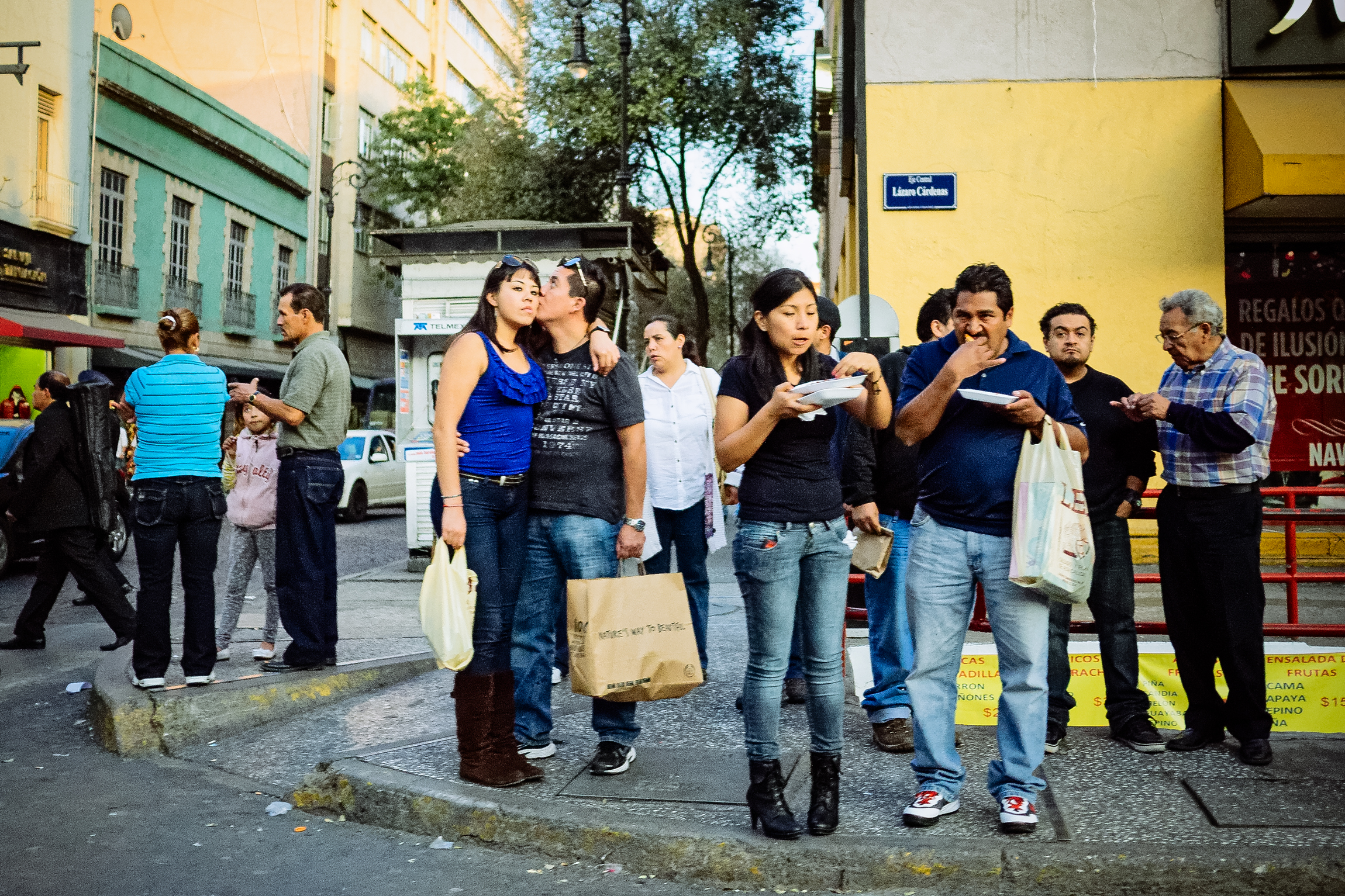
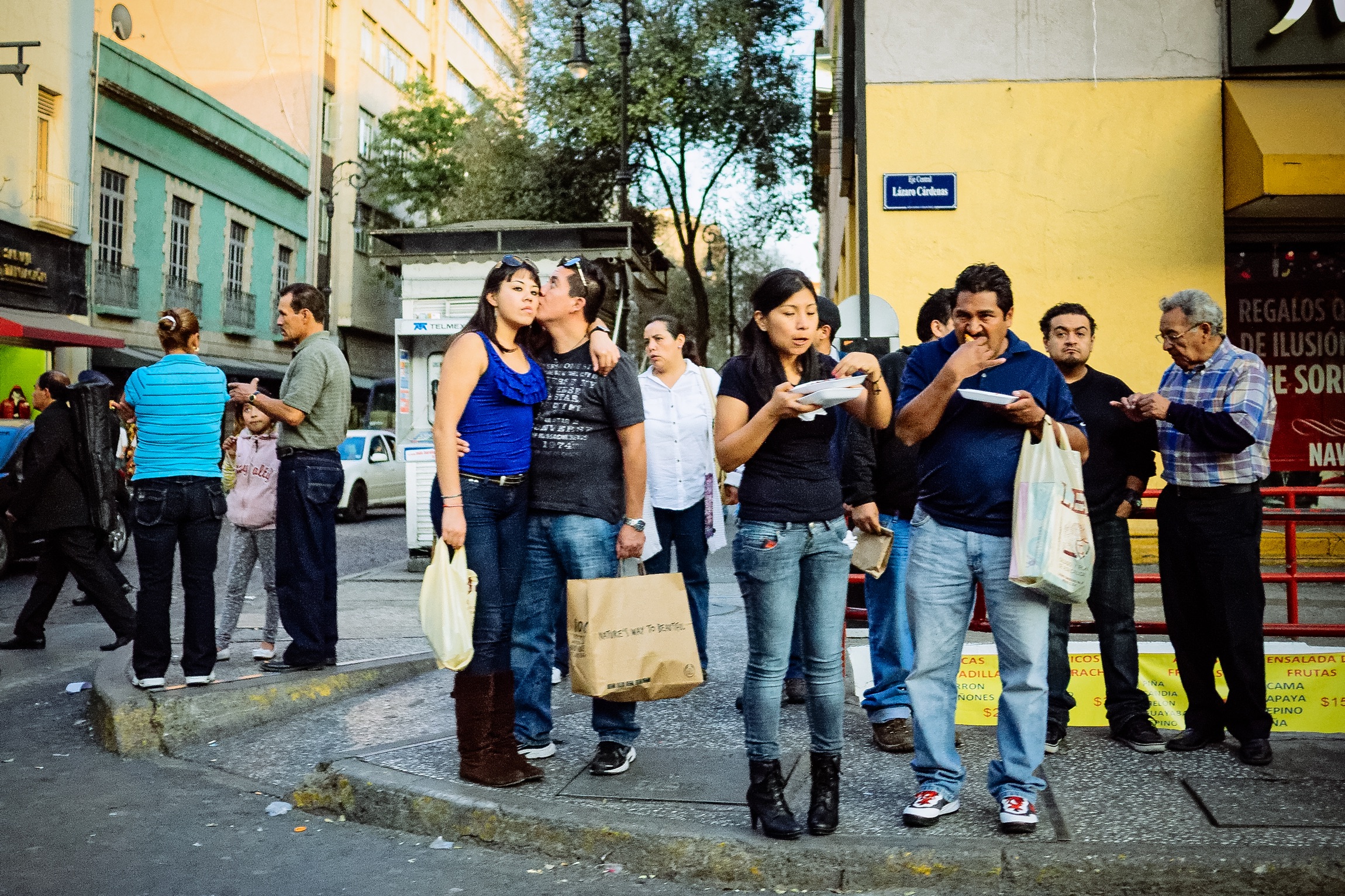

The exit and the entrance --all the same to me.
Exit to Francisco I. Madero in Mexico City's downtown.
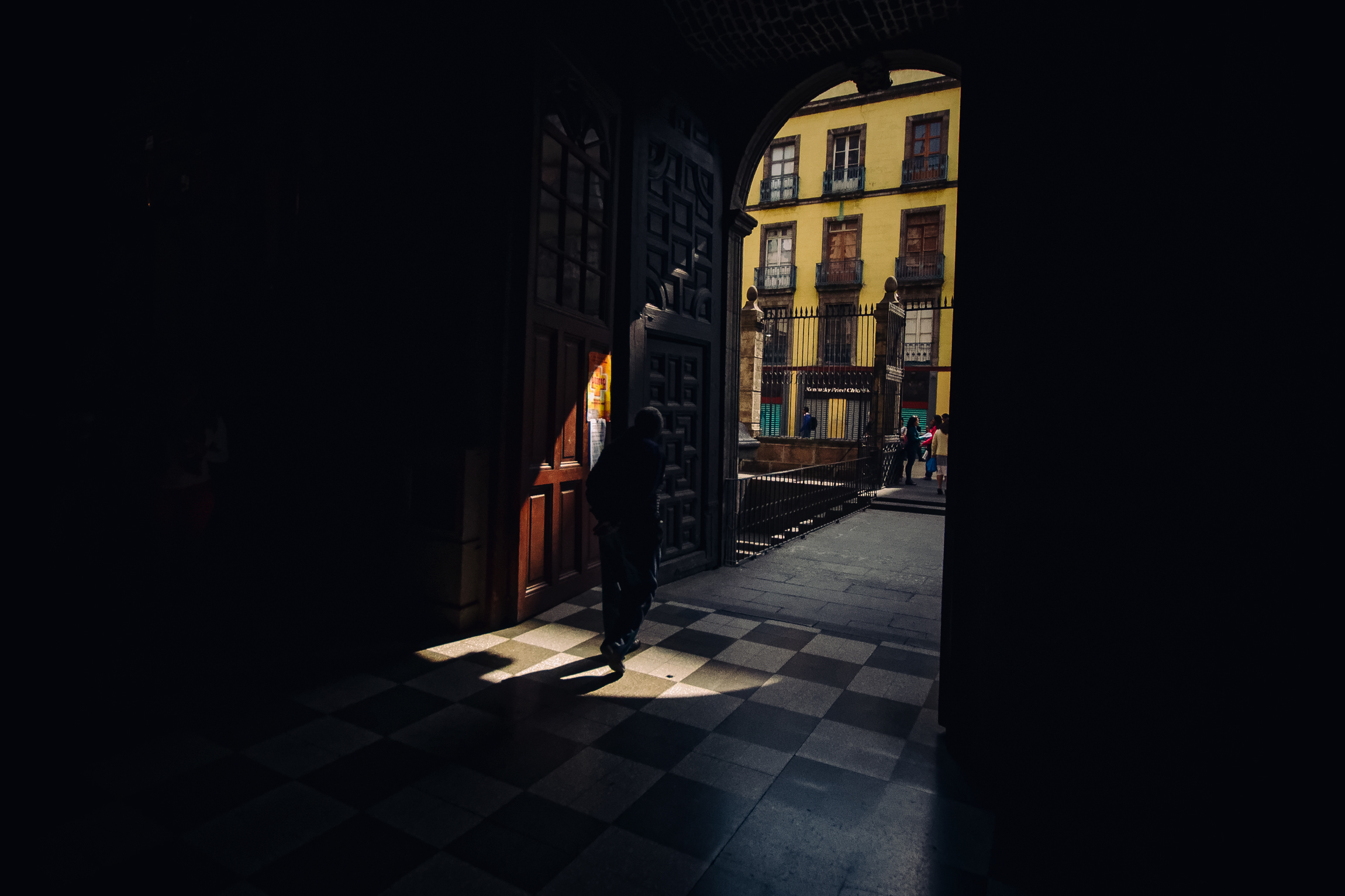
The word is out that in spite of the low misery index in the U.S.A. the race for the party nominee for president on both political spectrums proves Americans are none the less angry. Perhaps, I really don't know; I am in Mexico and it's not that I can care less as I am an American living abroad.
No matter where we live in this world we all want to be happy and what makes people happy changes from culture to culture. In the end, I guess, we are all looking for the light at the end of the tunnel when things get dire
Dunning-Kruger and the stories we tell ourselves
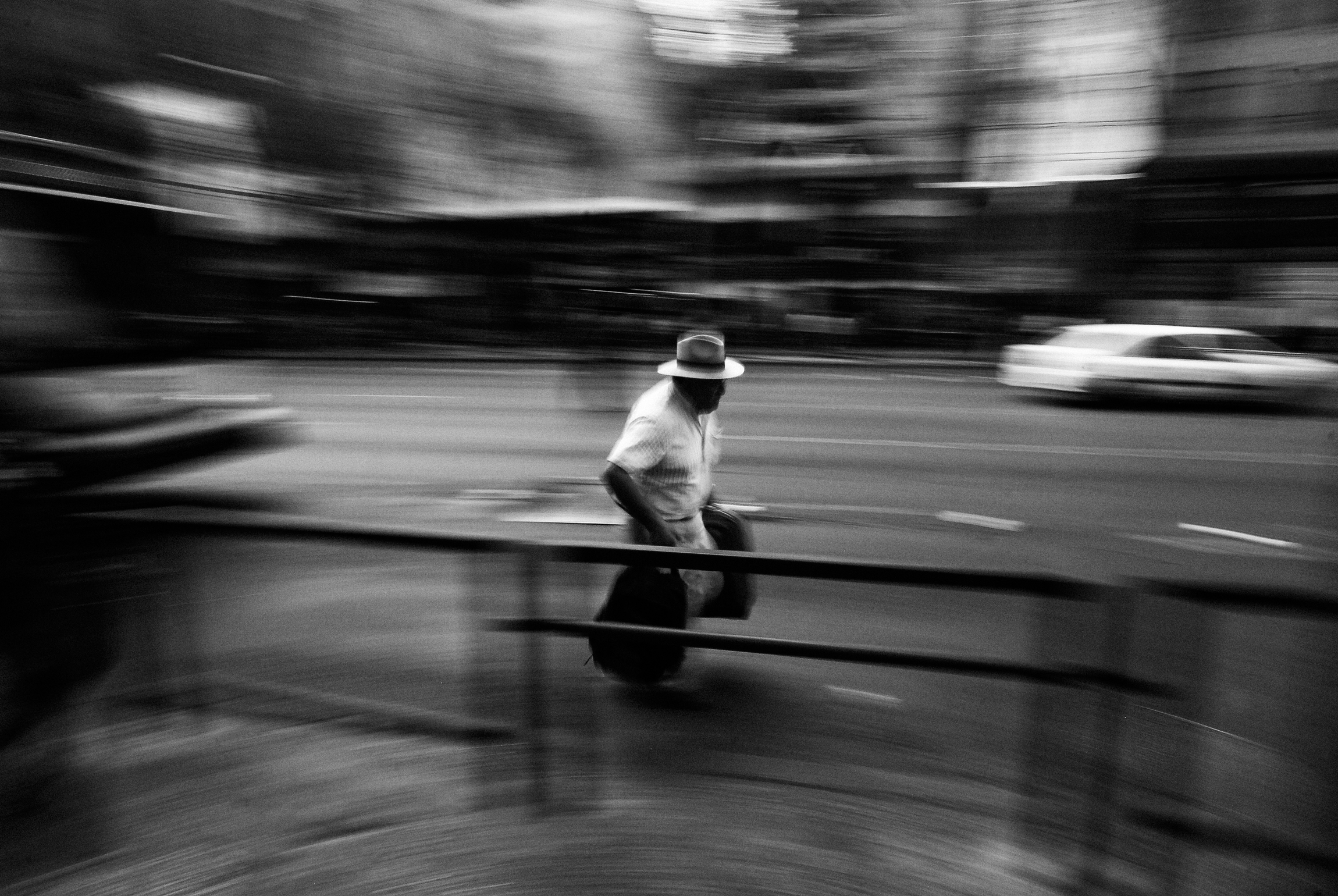
En movimiento sobre Eje Central, Centro Historico - Ciudad de Mexico.
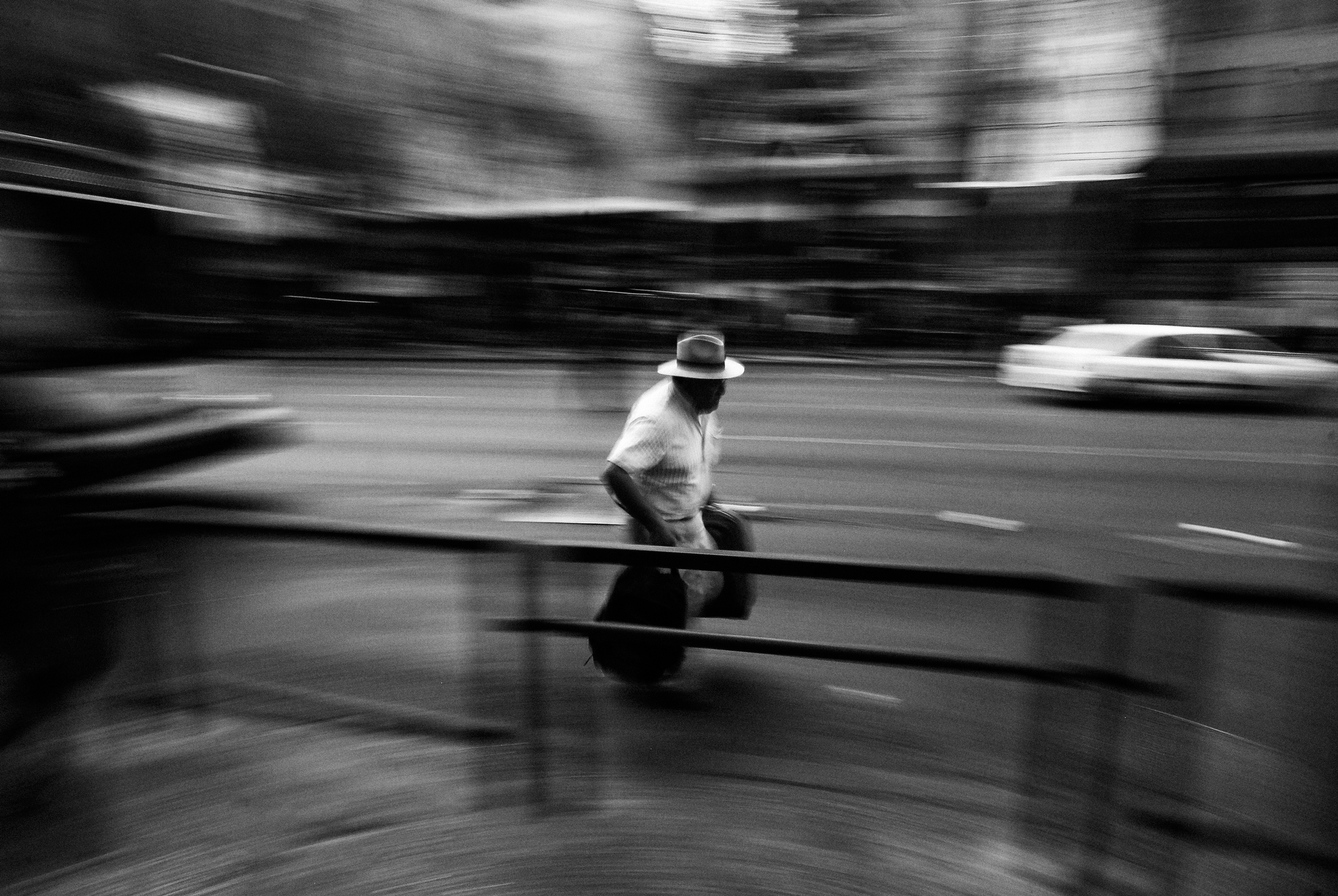
After listening to a podcast on the Dunning-Kruger Effect —when an incompetent person is unaware of his own incompetence— I could not help but ask myself if I suffer from this cognitive inability to recognize my own incompetence when in comes to my photography. Many times I've asked myself —and still do— if my photography will ever measure up ; if I should just give up and seek something else I might be "good" at? But I couldn't get myself to do it if I came to a full realization of skills I might lack in this activity I enjoy so much since I was a child. I enjoy making images too much. I love stories and making photos is my way of capturing and sharing them.
Yes, I know I am just capturing the light of a given moment and how that moment is interpreted, or the story told, will be different from person to person, but it's a story nonetheless.
Interested in knowing more about the Dunning-Kruger Effect, check it out here.

Bacon Street
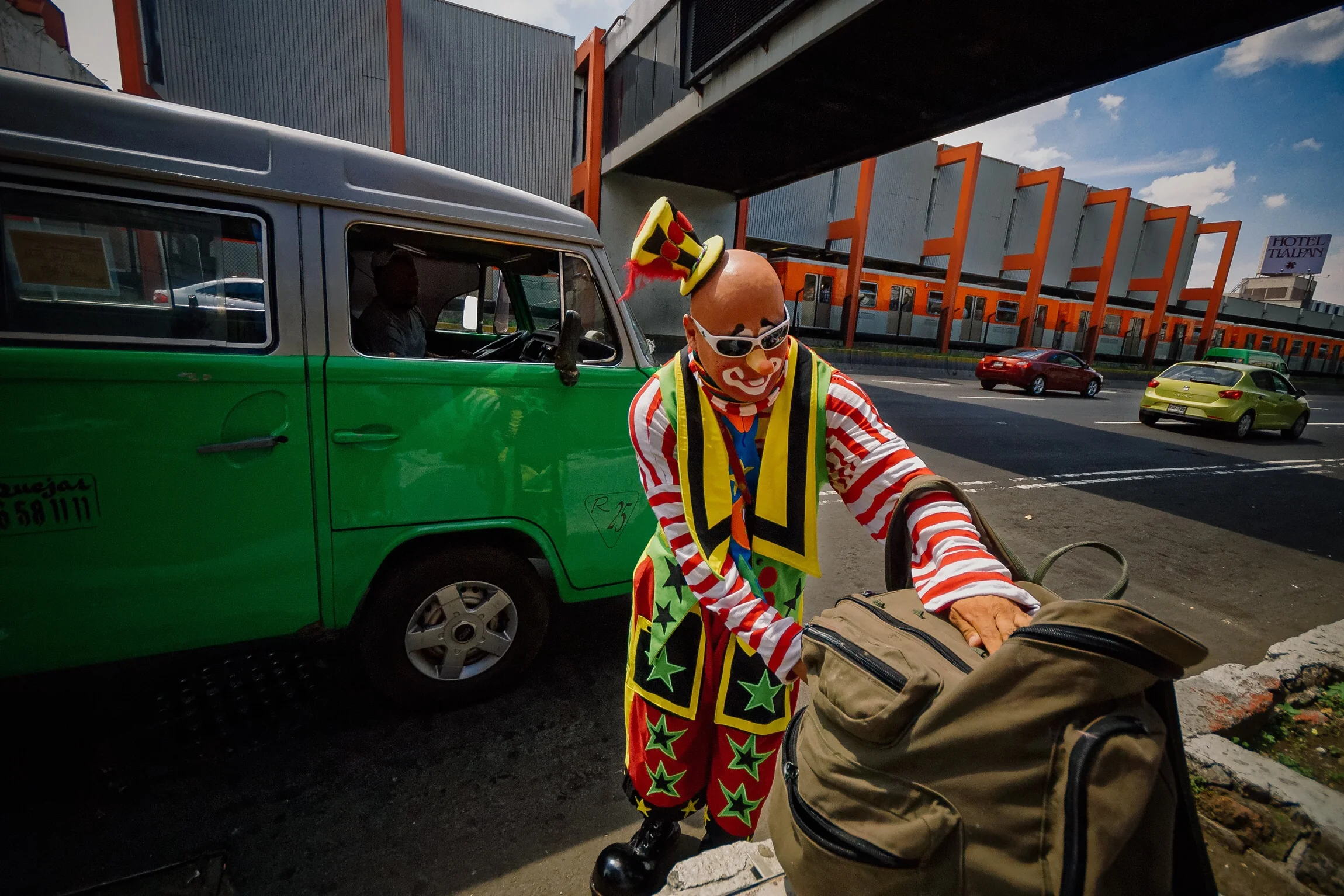
Entertainiment for the masses along Av. Francisco I. Madero, Centro Historico - Mexico City.
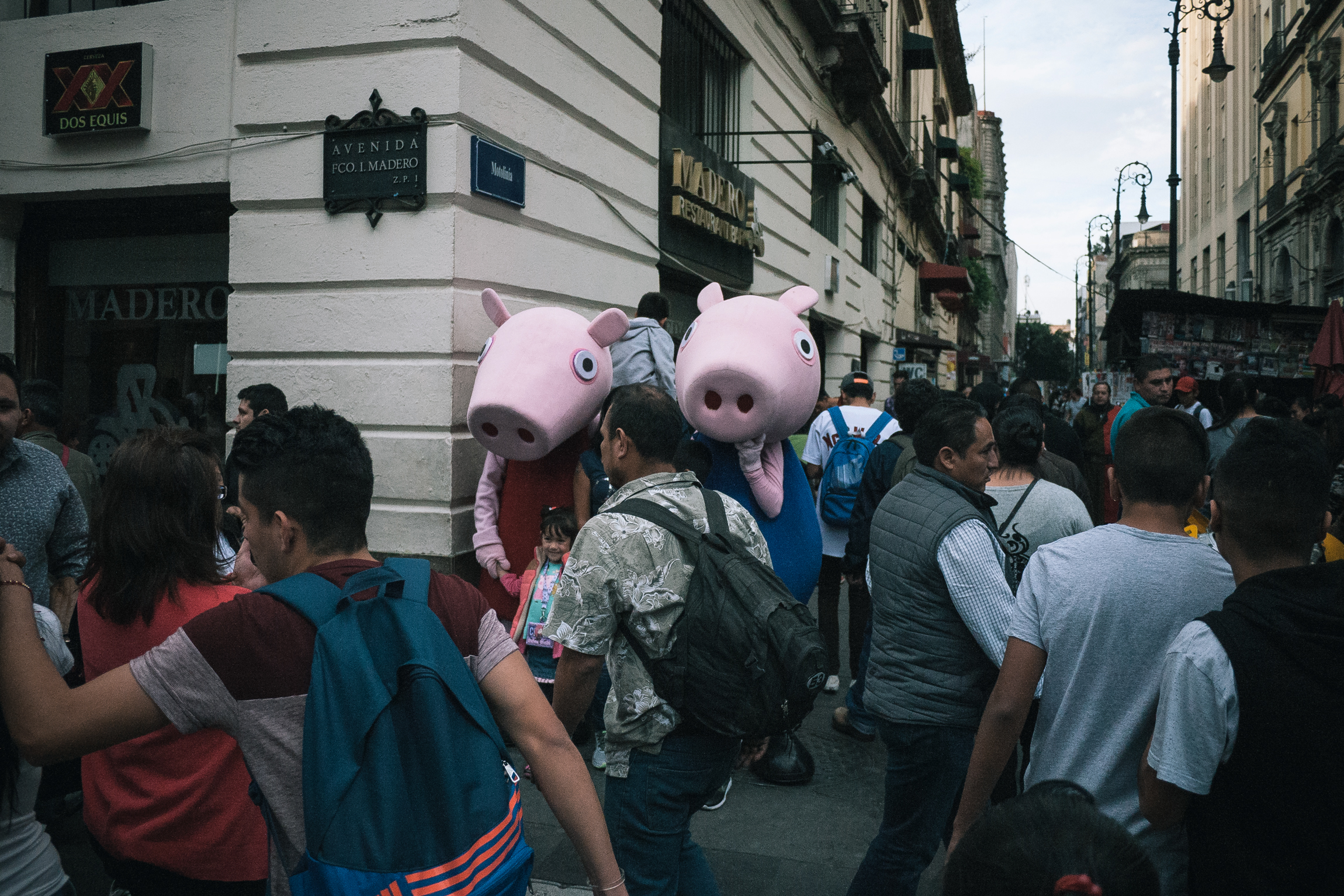
Street performers or street laborers --take your pick-- are said to be a too-easy target for street photography. My concern with these so-called rules of what not to photograph --or does not count as a worthy photograph-- is that it sort of robs of the joy of simply capturing what one finds interesting. Photography, for me at least, is not so much what you photograph as much as how it is photographed and timing, of course.

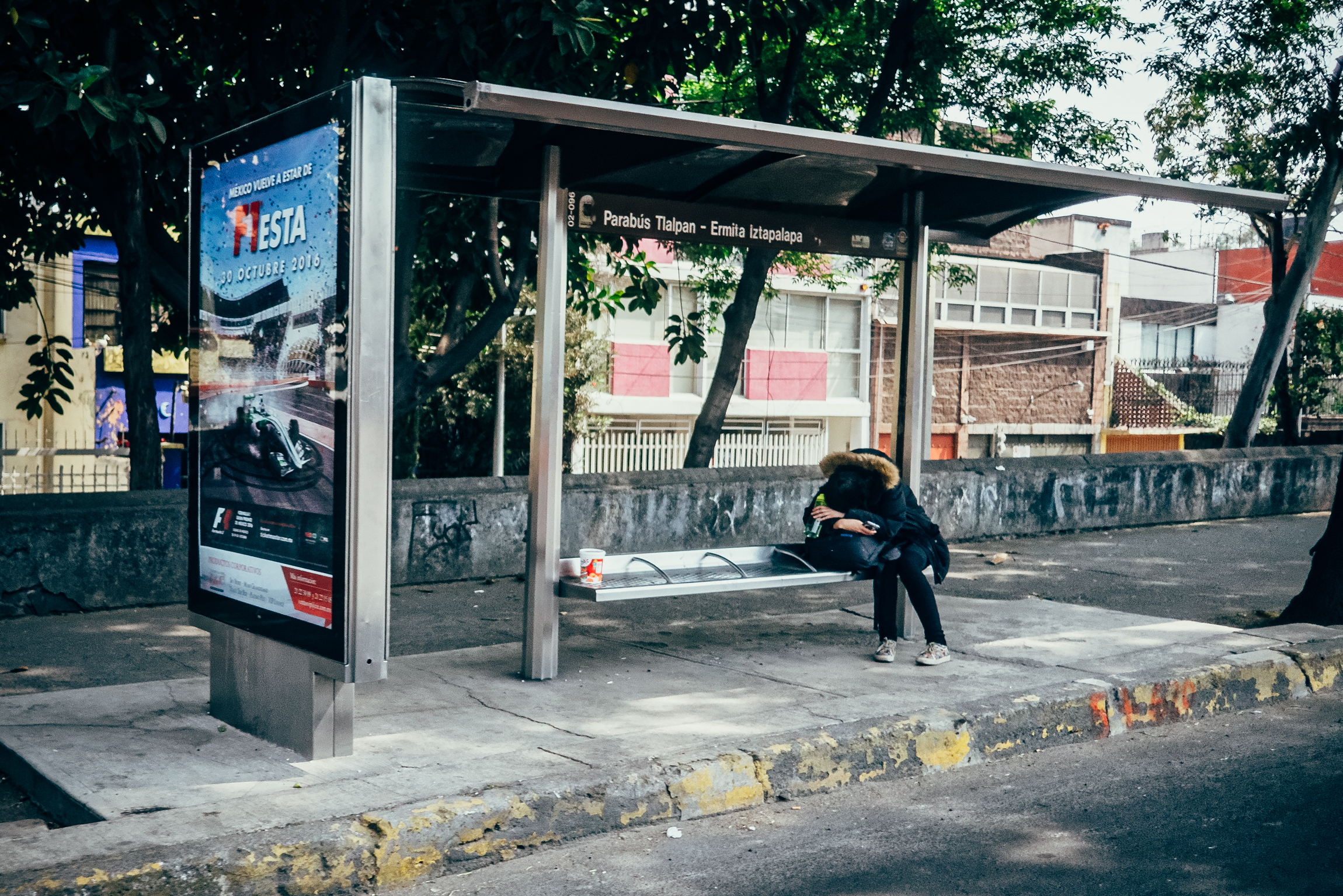
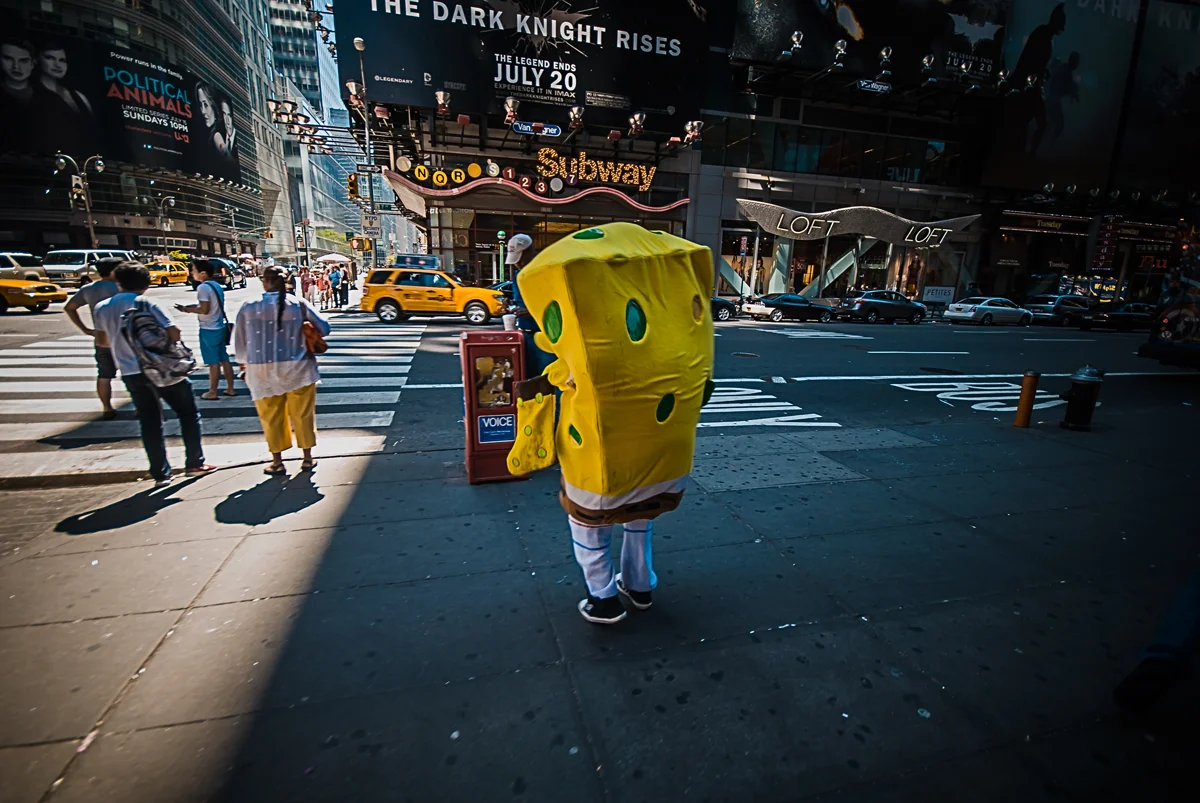
The Sponge on Broadway
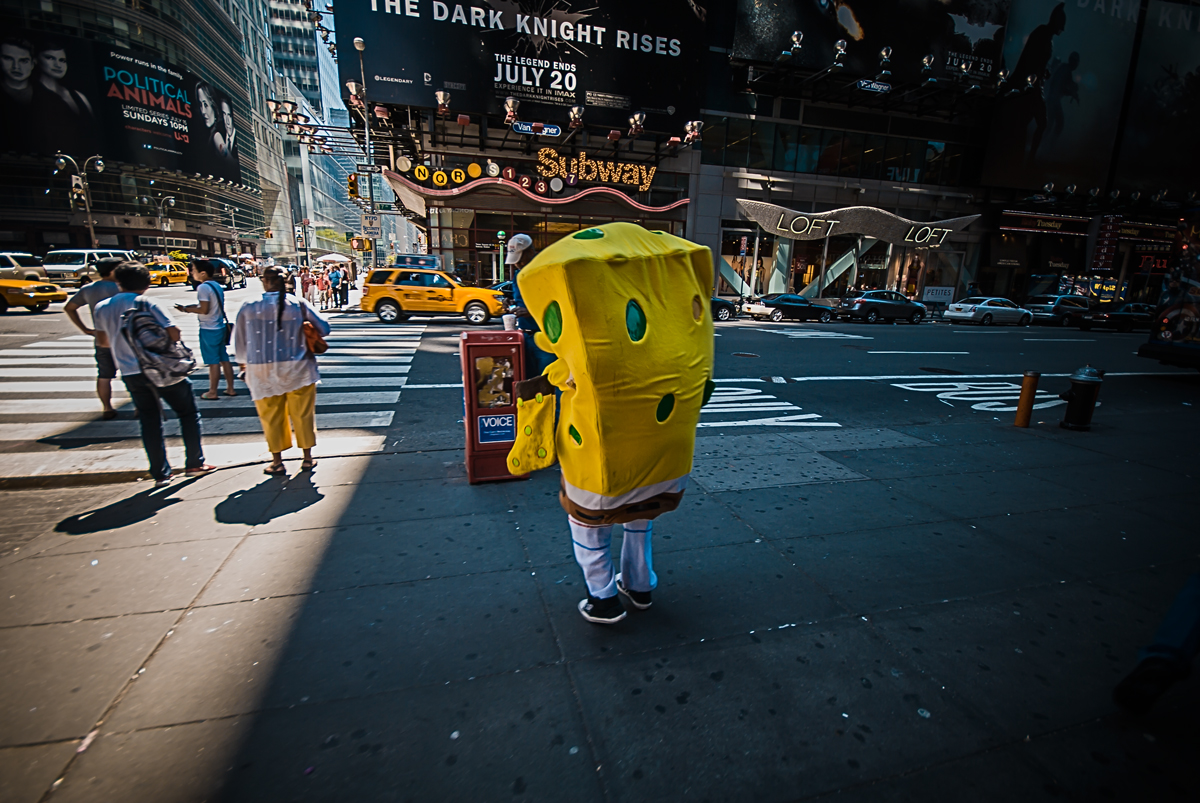
An image made while visiting New York to be with my parents who were living in Poughkeepsie at the time. Really hard to fathom the person who must have been wearing that suit in 90-degree Fahrenheit temperatures right on Broadway in the middle of July. He had made the effort to stand in the shade but the humidity that day was unbearable even for my father, my son, and me who were all dressed for the weather. Thinking about it while remembering a New York Times article I read about these street performers in New York City puts a lot in perspective. What some people are willing to do to make ends meet; they deserve a great deal of respect.
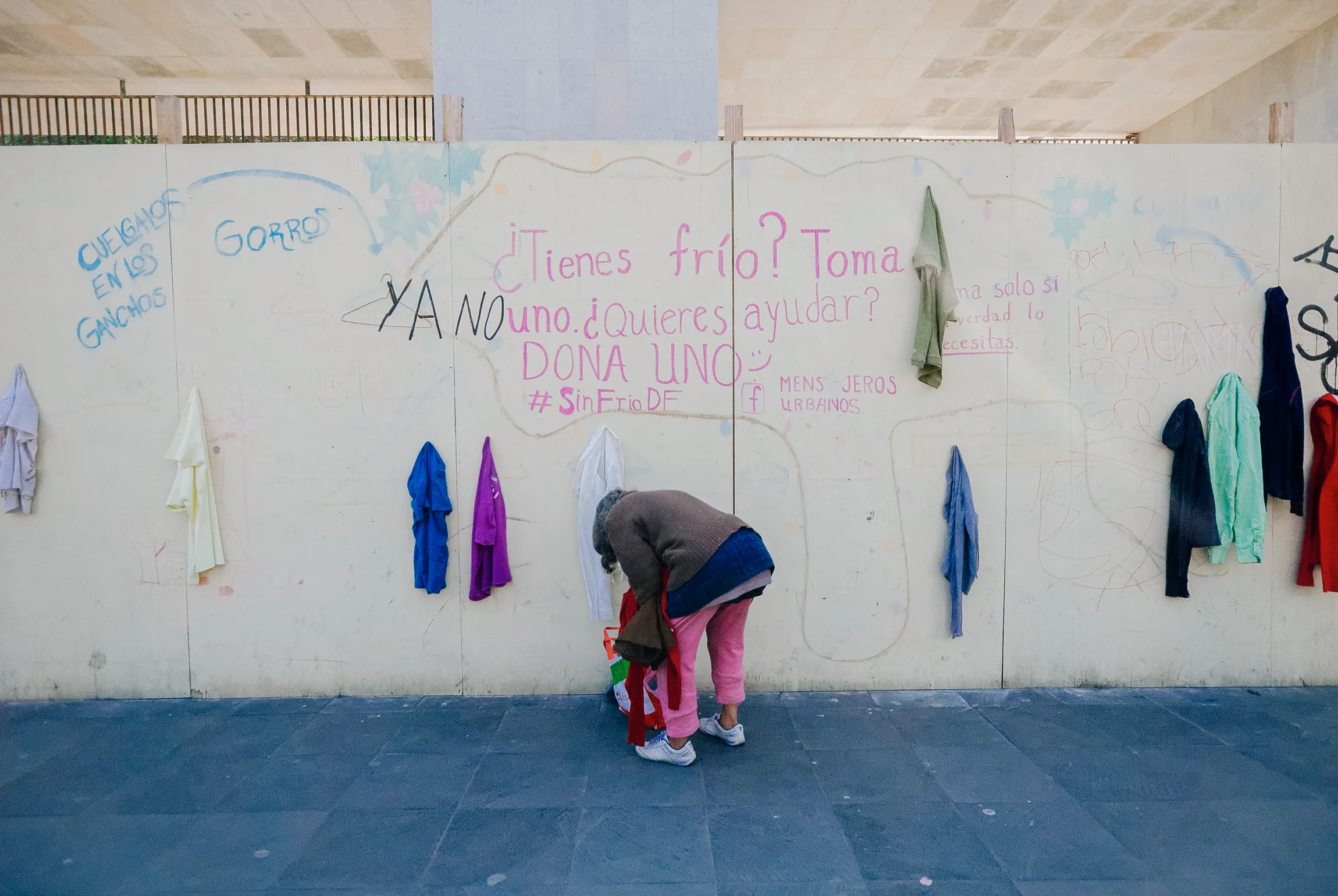
¿Tienes frío? (Are you cold?)
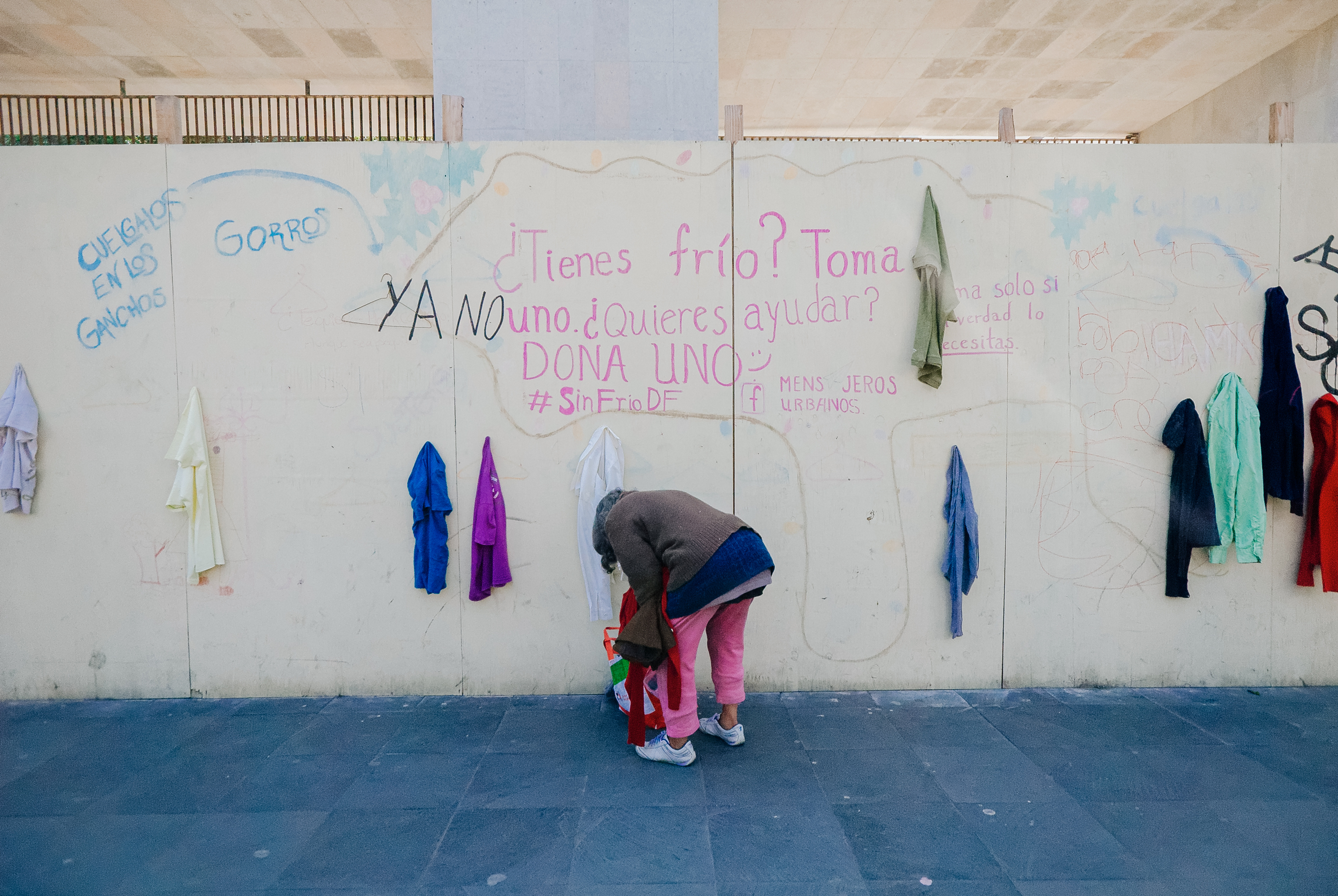
A woman reaches for a sweater donated by the public in Mexico City. A group of journalists and photojournalists kicked off a campaign this winter labeled with the Twitter hashtag #SinFrioDF to get folks to donate clothing to those in need.
I get asked these days by friends and family abroad about how Mexico is doing. Almost immediately an image of former President Carlos Salinas on the cover of Time Magazine in 1993 with the headline "Mexico Is Looking Up" flickers across my mind followed by the rest of significant events since then. Indeed, in spite of the economic turmoil that ensued in December of 1994 as the Mexican peso plunged things did take a turn for the better shortly thereafter. The party lasted a while as NAFTA began to take root and the world economy boomed. Mexico could have used this period of growth to diversify its economy, but didn't and the opportunity was ignored at a hefty price: its future.
Today Mexico is struggling to stay on its two feet as it fights destructive gusts from internal and external whirlwinds. Dreams of one day joining a dwindling middle class are being crushed as poverty rises in a country where approximately 50% of the population already faces extreme economic hardship and reduced life chances. Inflation on some basics suffered significant increase according to some figures released at the start of the year while the current administration lives in denial of both the rise in deaths from the drug war as of 2014 and the impact of the commodity and currency crisis on the nation's economy. Just to think where things could be taken if the people who could make a difference were concerned with being transparent about the issues. Recognizing a problem brings you that much closer to fixing it, if it's not too late of course.