Rediscovering My Creative Autonomy: A Journey Back to Personal Blogging
Before delving into blogging, my journey as a photographer began on platforms like Flickr and early blogging sites that emerged in the early 2000s. These platforms not only allowed me to share my work daily but also facilitated interactions with fellow photography enthusiasts and professionals. However, as my audience expanded and my site gained visibility through higher rankings on Google searches, the landscape of social media was rapidly evolving.
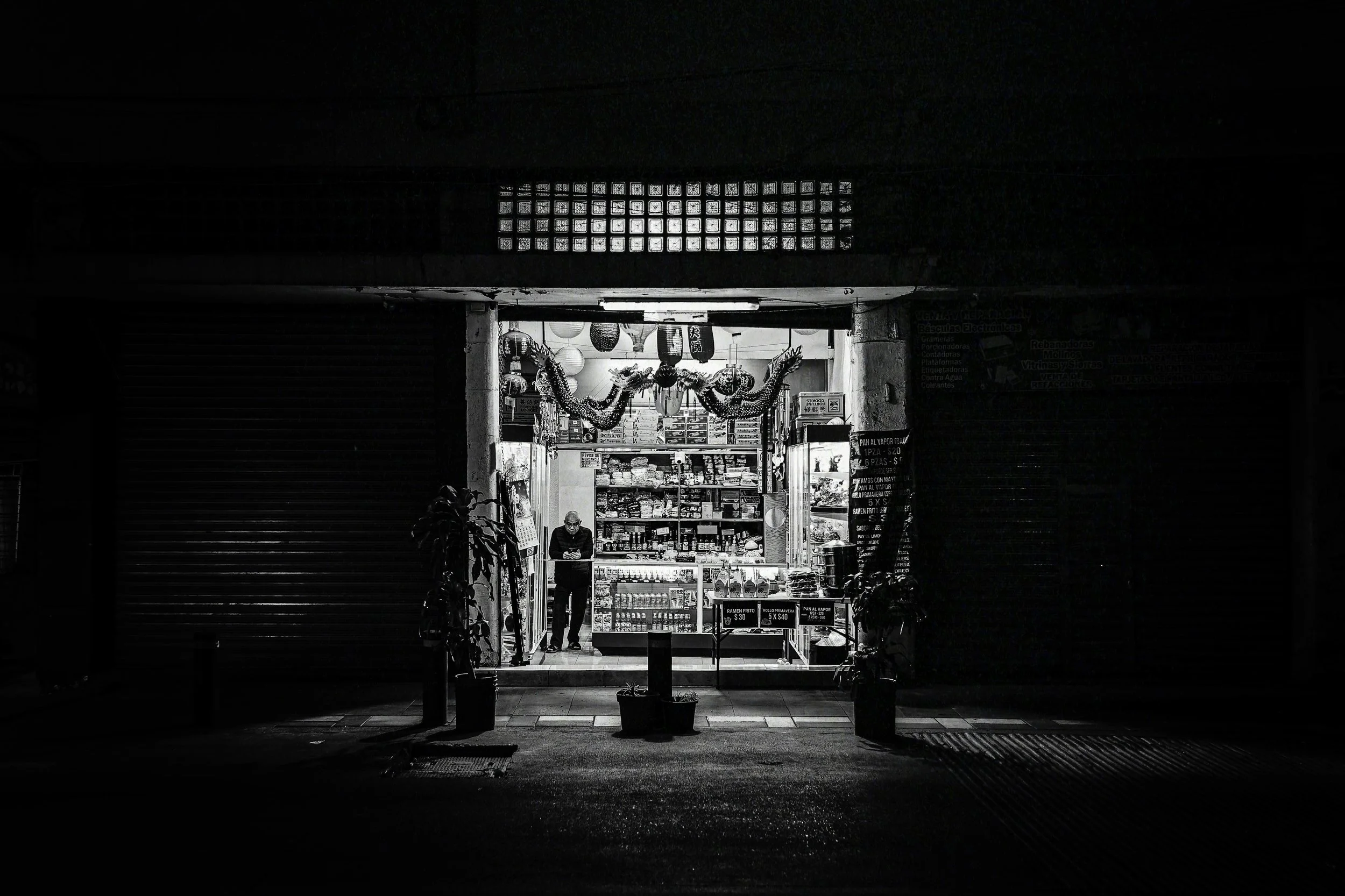
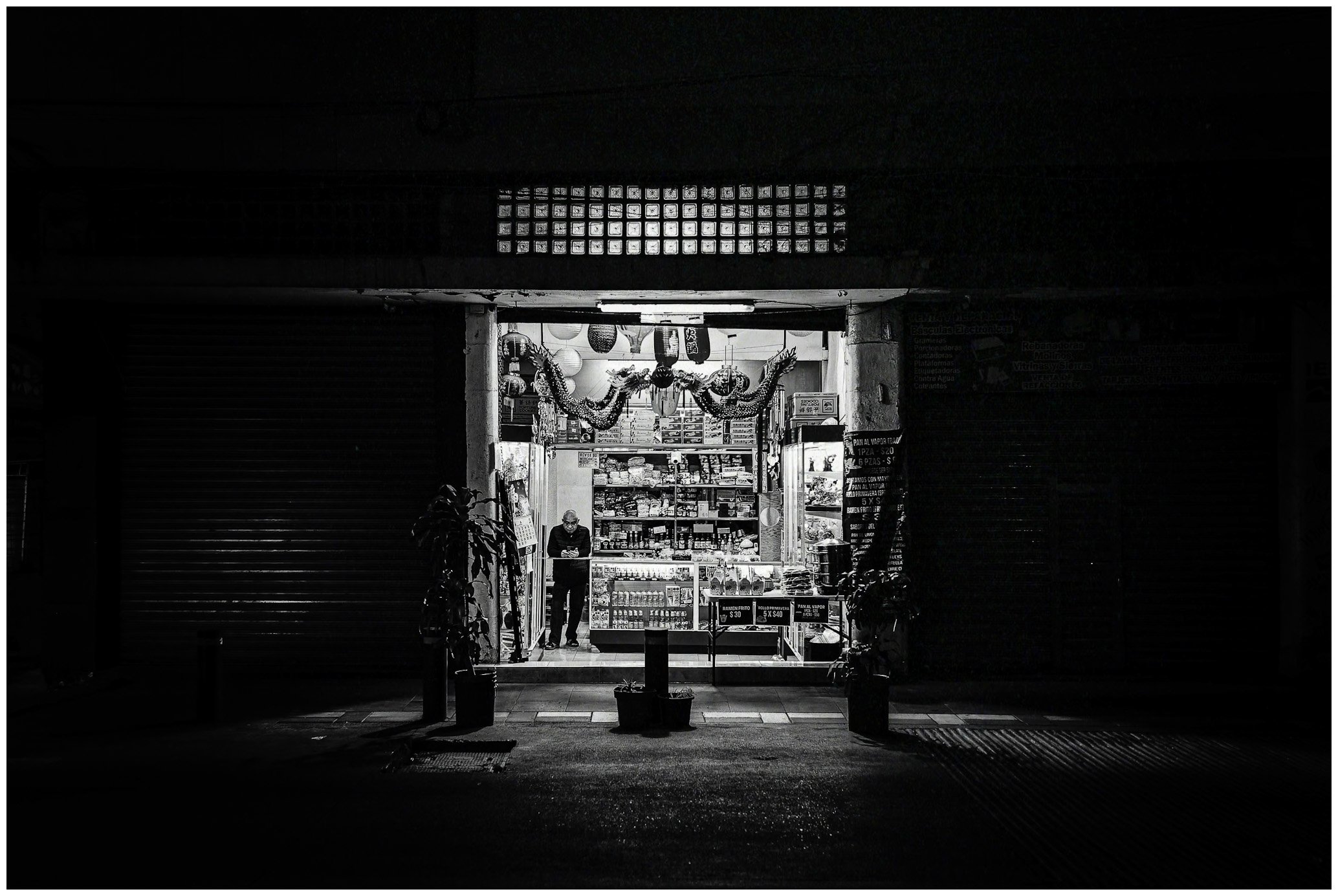
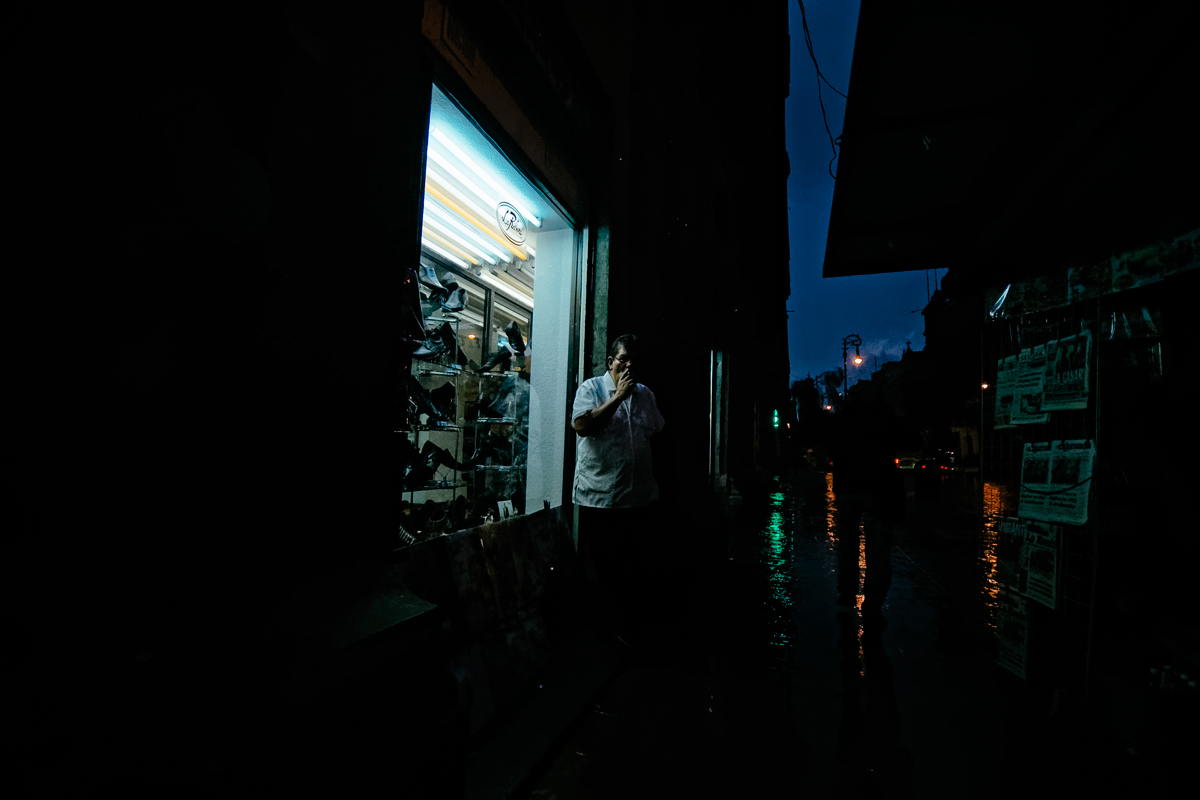
Loan shop owner one evening in Mexico’ City’s Chinatown.
Instagram was emerging, yet to reach its current prominence, while Twitter served more for microblogging and textual sharing. Despite photographers being present on these platforms, they weren't the primary choice for showcasing work as they are today. Nevertheless, the allure of social media's growing popularity gradually diverted my attention from the traditional means I once believed would offer greater opportunities and visibility.
Unbeknownst to me, the algorithms governing these platforms began to dictate visibility, sometimes hindering rather than aiding my goals. Consequently, I've decided to revive the practice of blogging and self-publishing on my website. It's not about seeking attention or validation; rather, it's about reclaiming autonomy and control over my content.
Here, on my platform, I can share my thoughts and images without the pressure to compete for likes or followers. Instead, it's about the pure joy of expressing myself and capturing moments that resonate with me. I aim to return here frequently, perhaps even daily, or at least weekly, to share my musings and the moments I cherish.
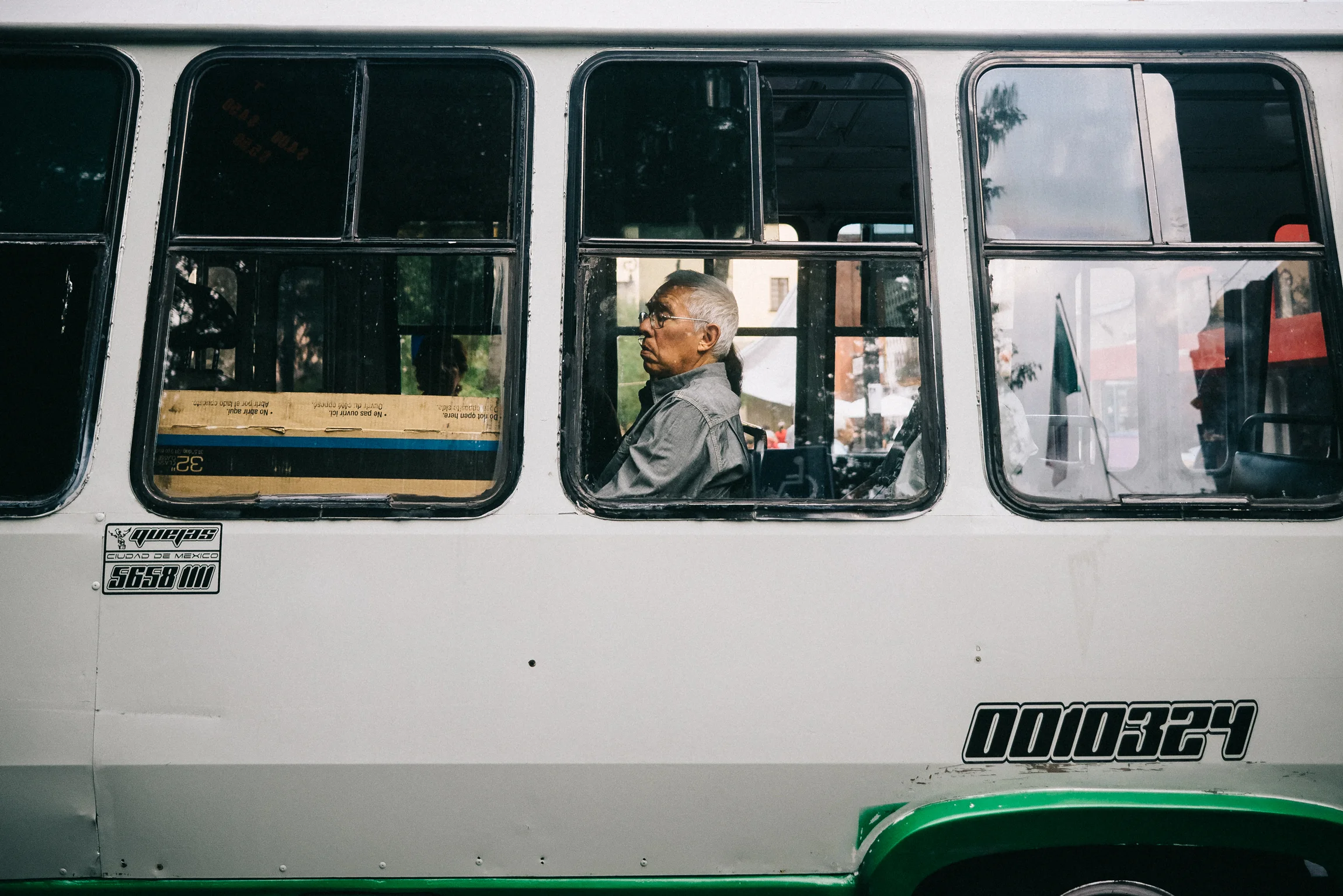
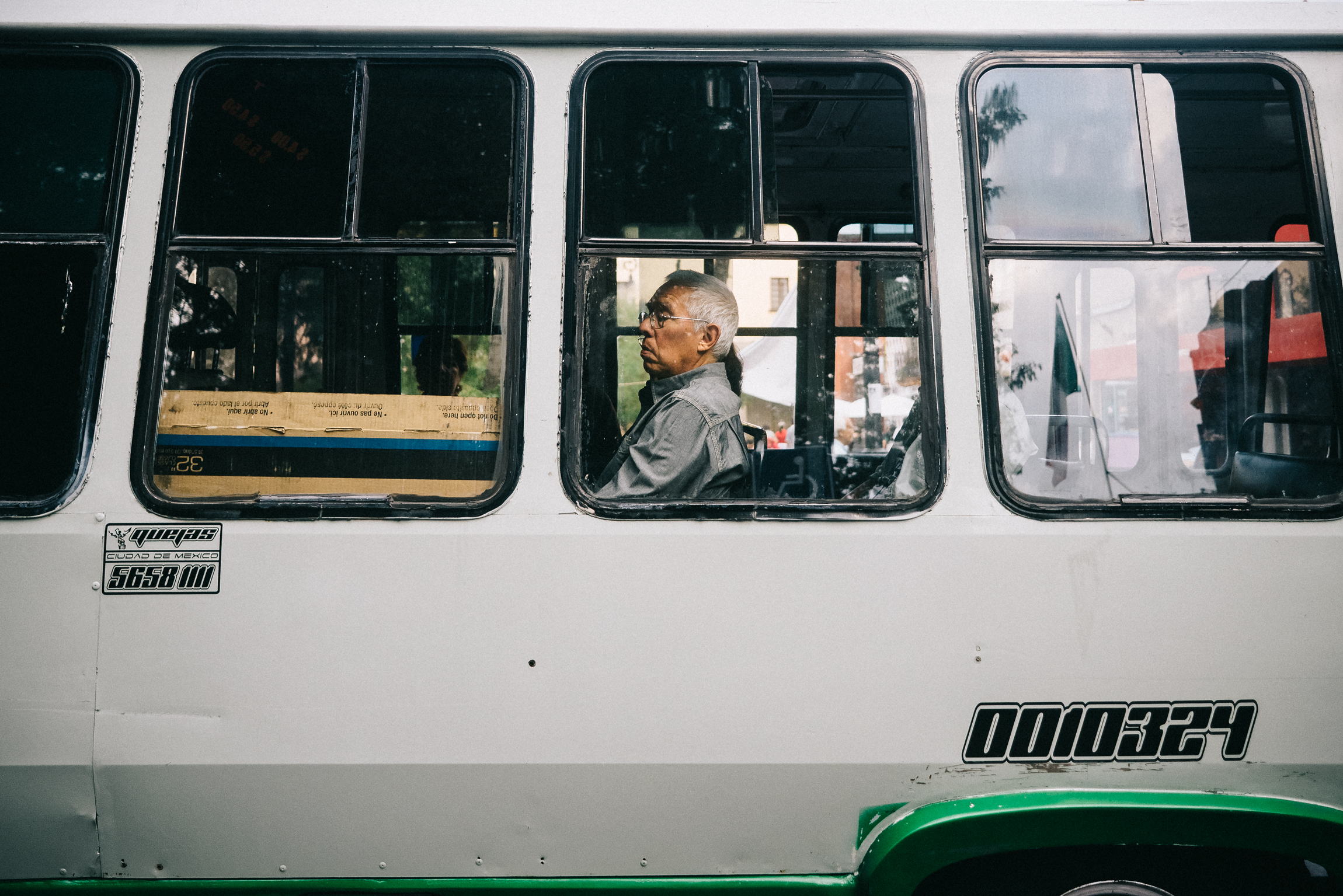
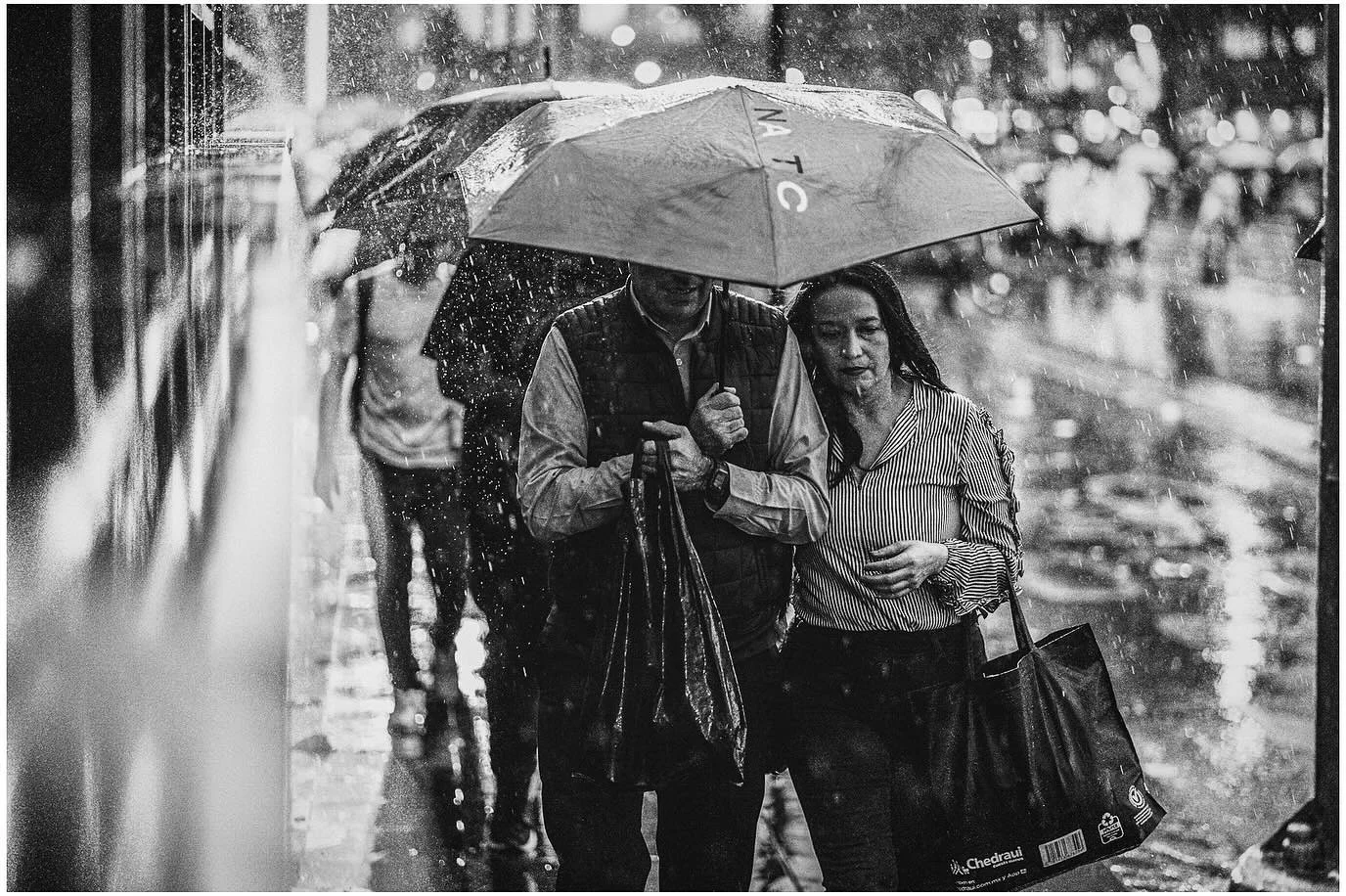
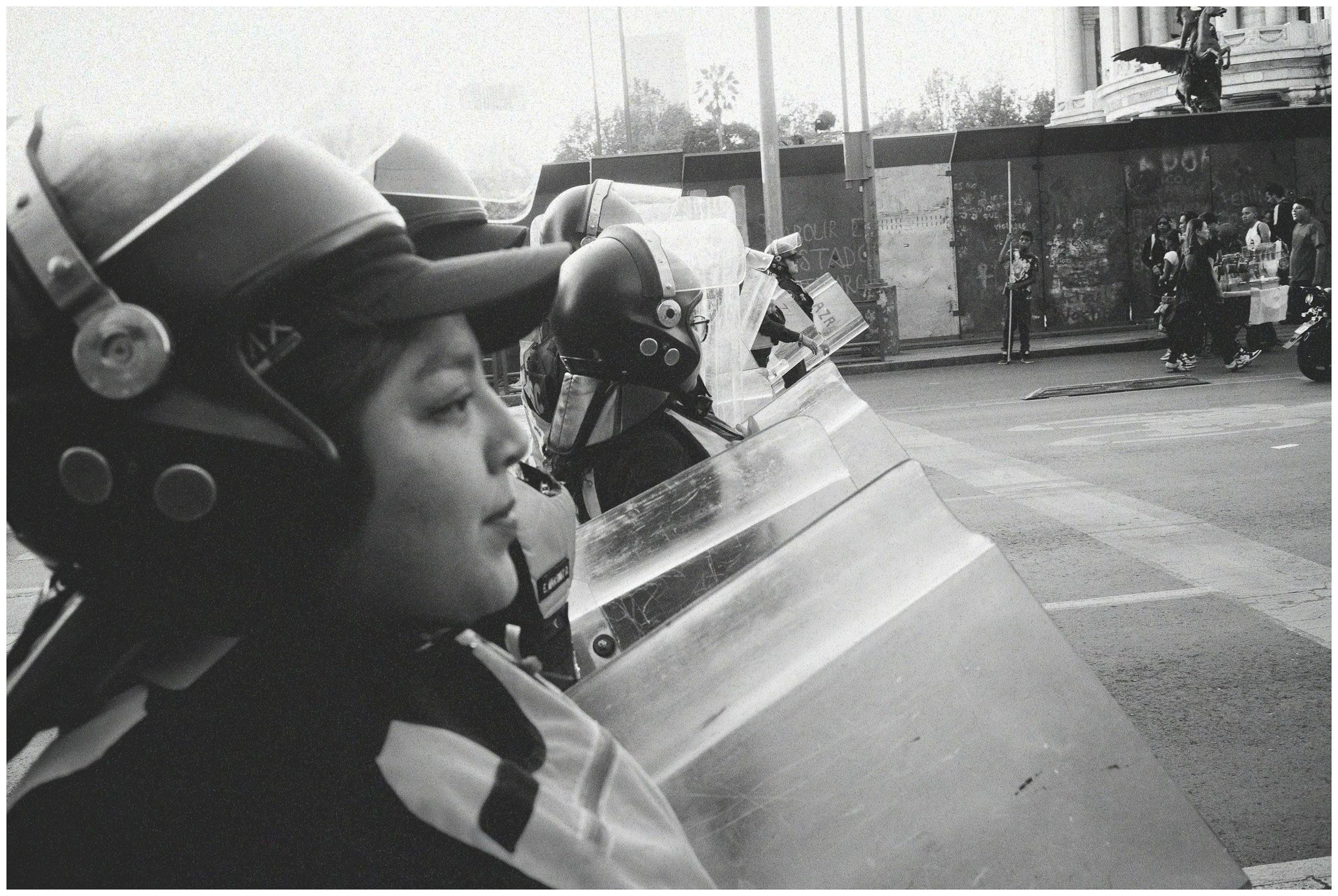
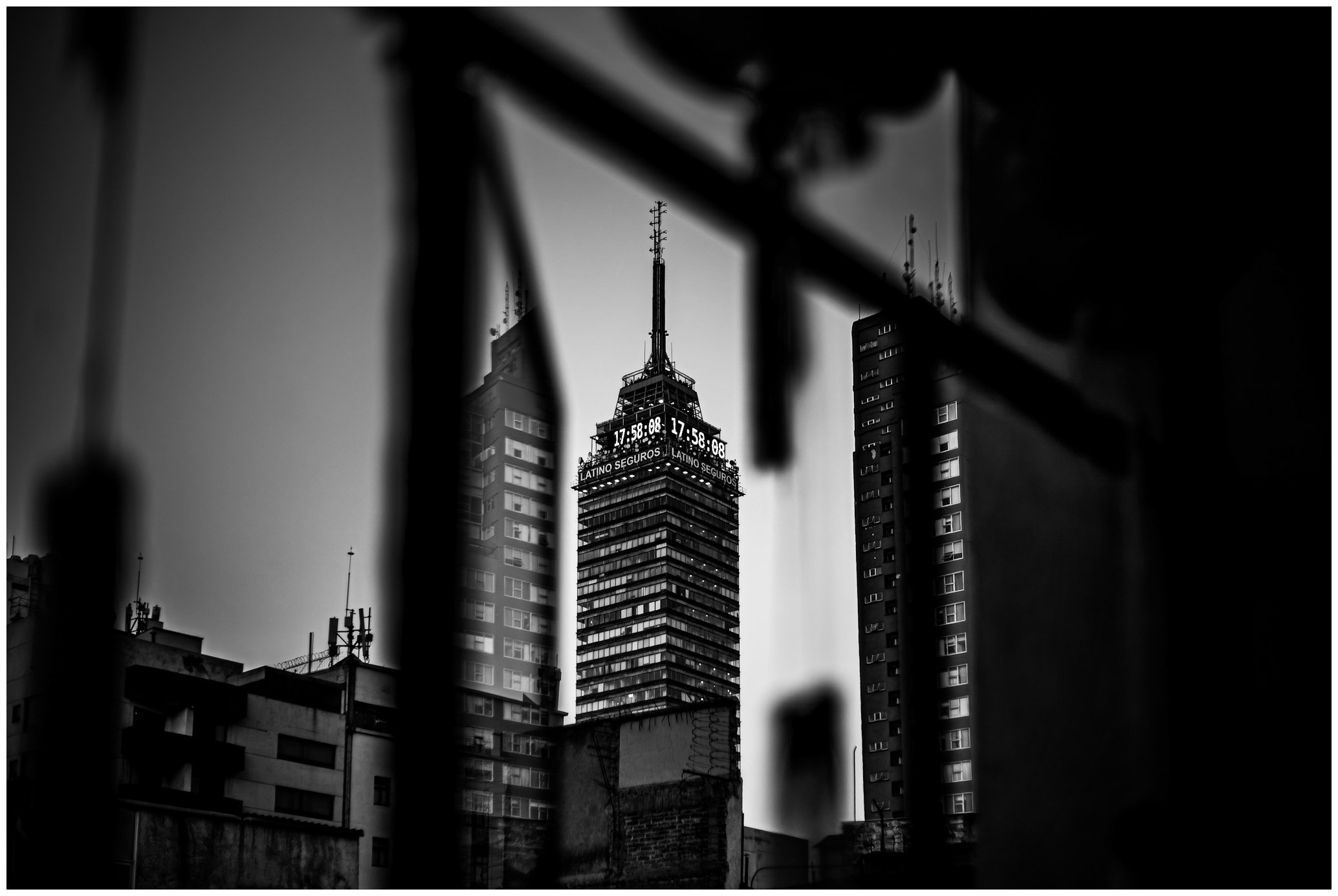
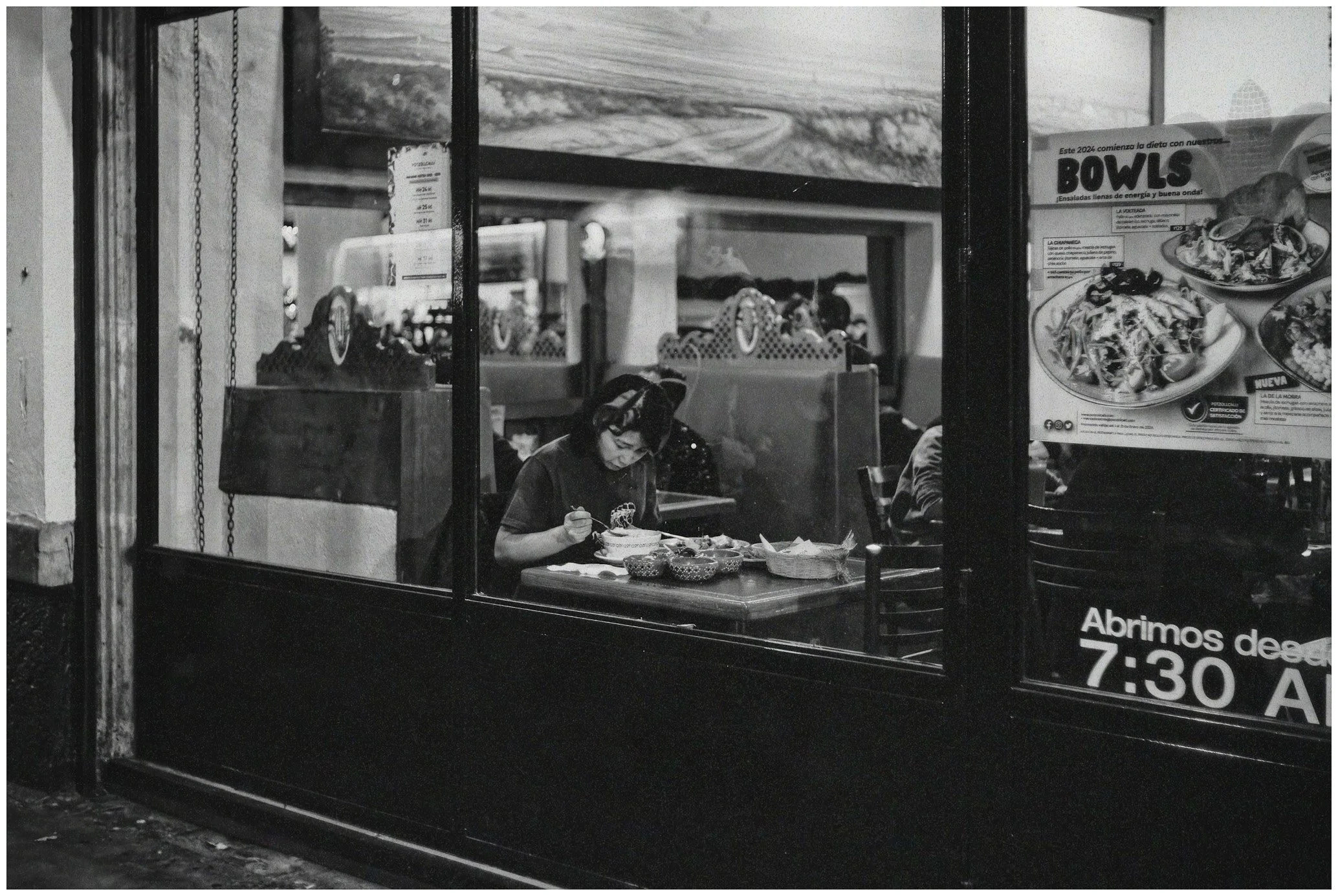
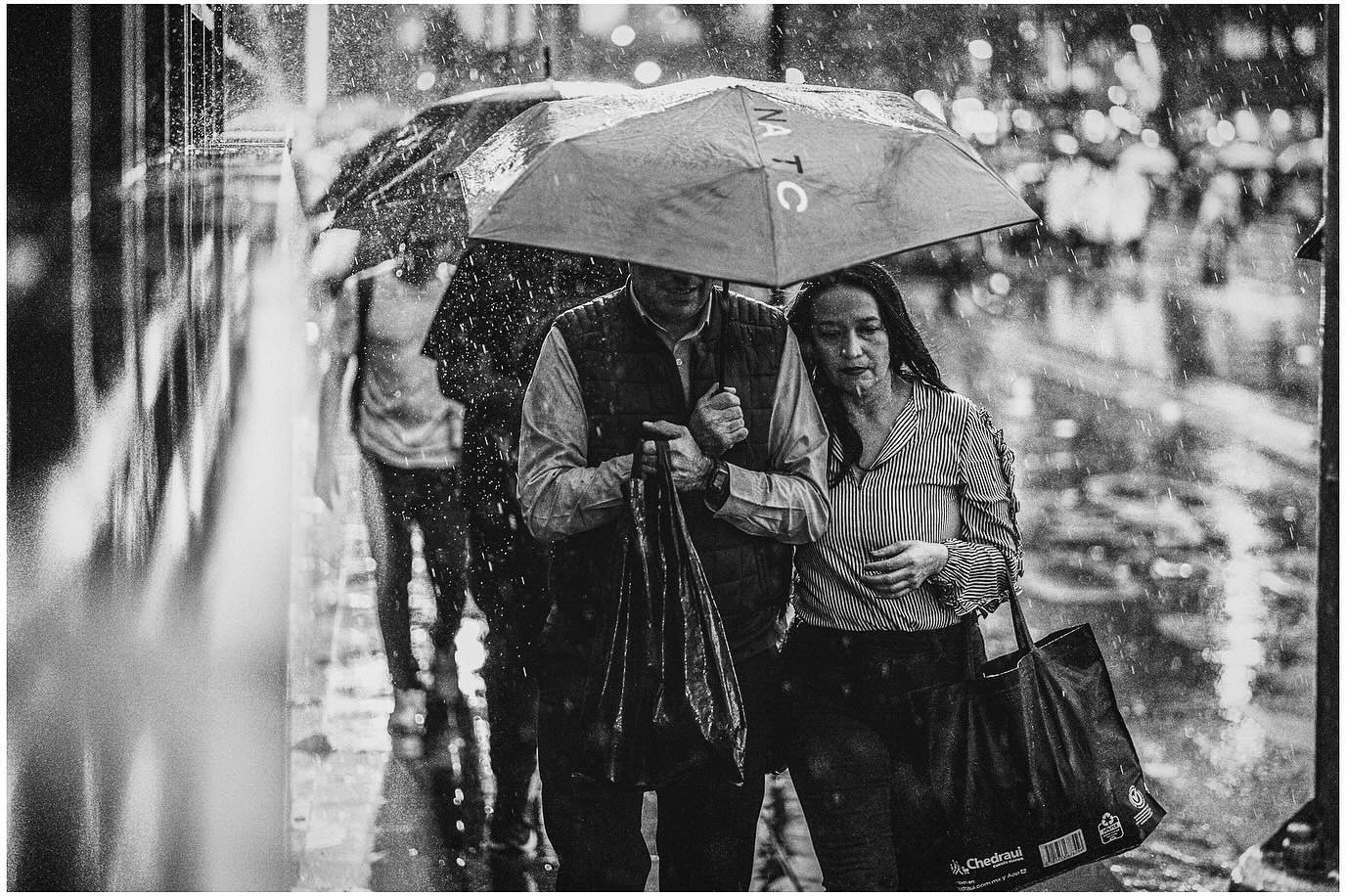
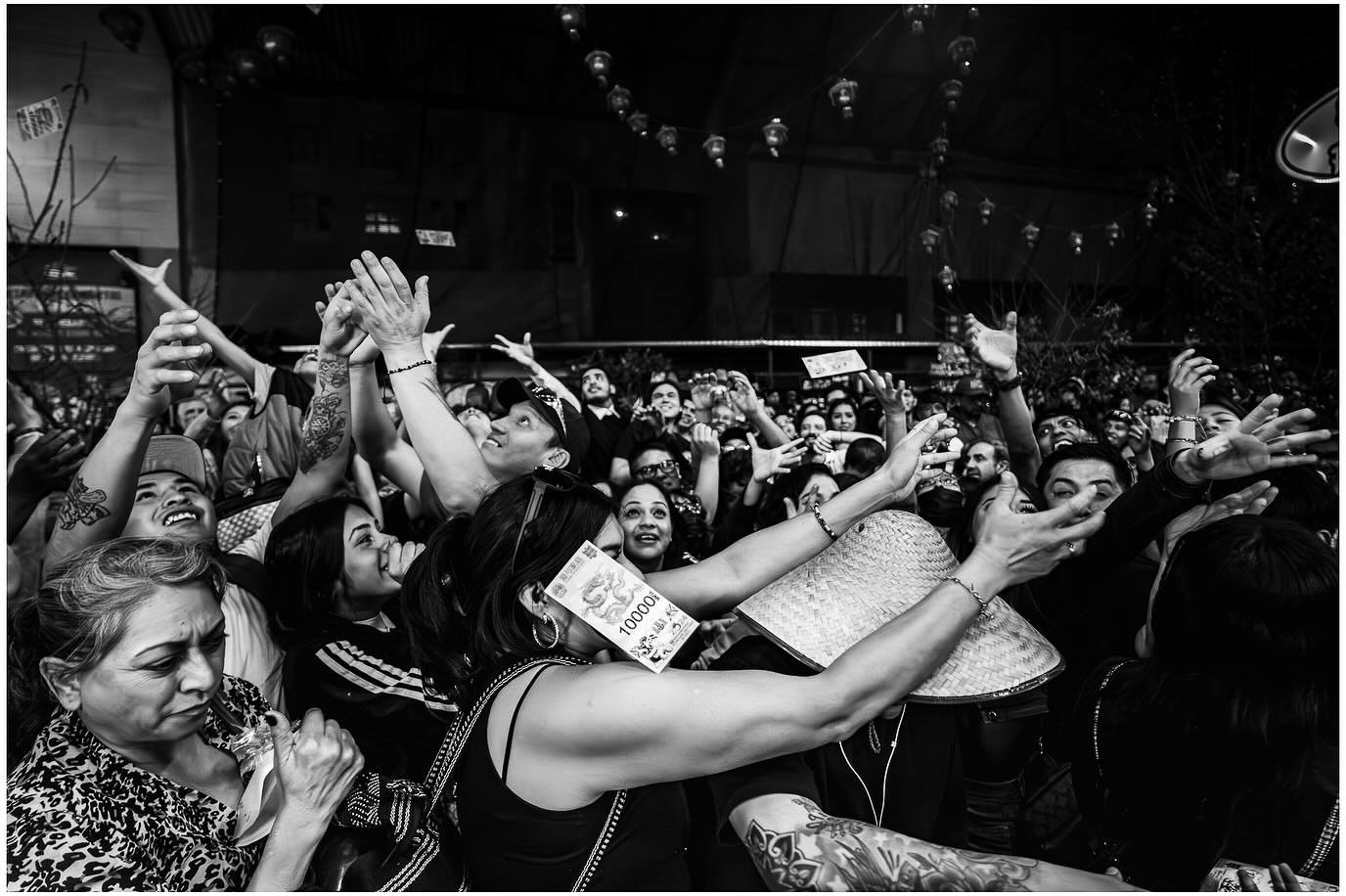
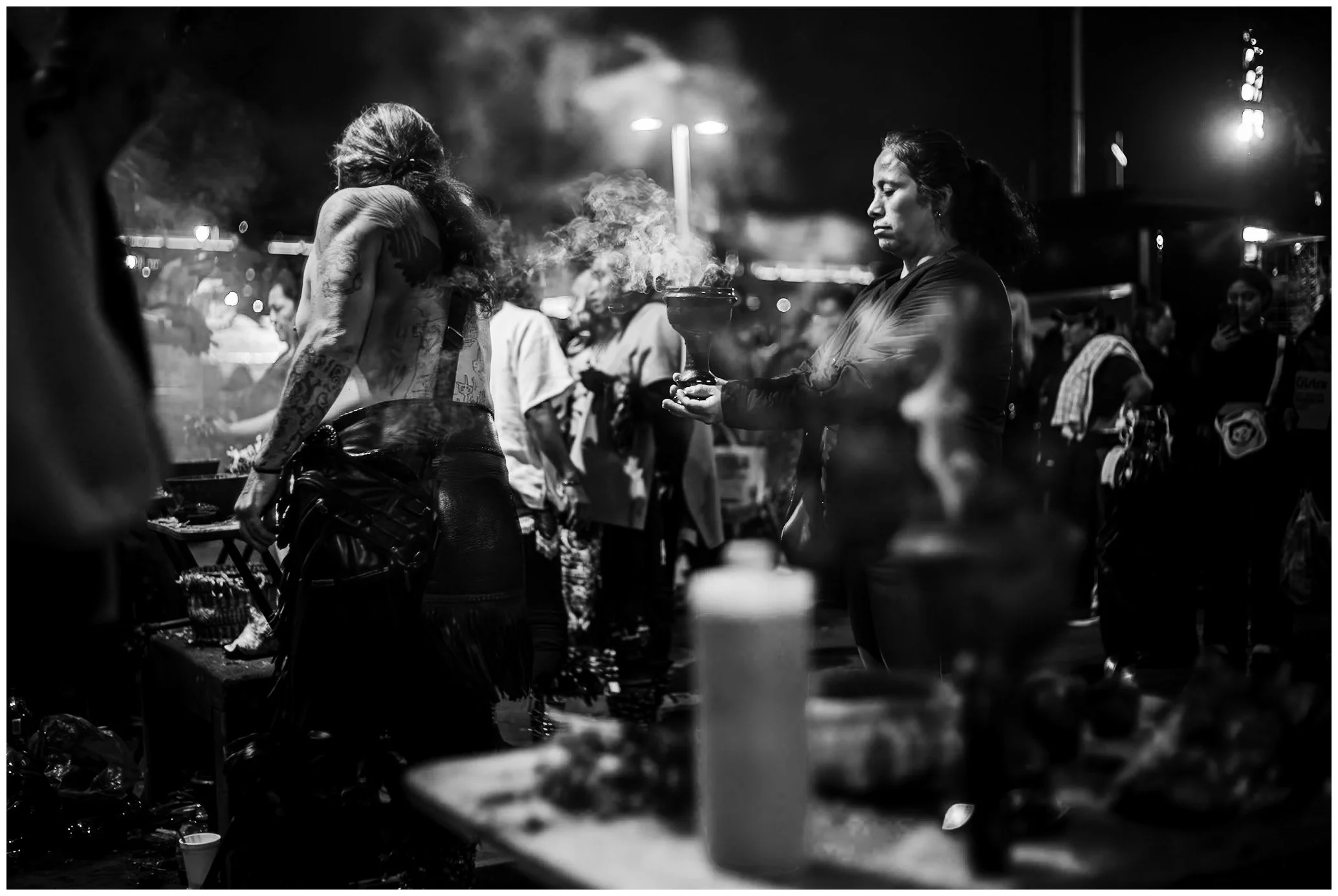
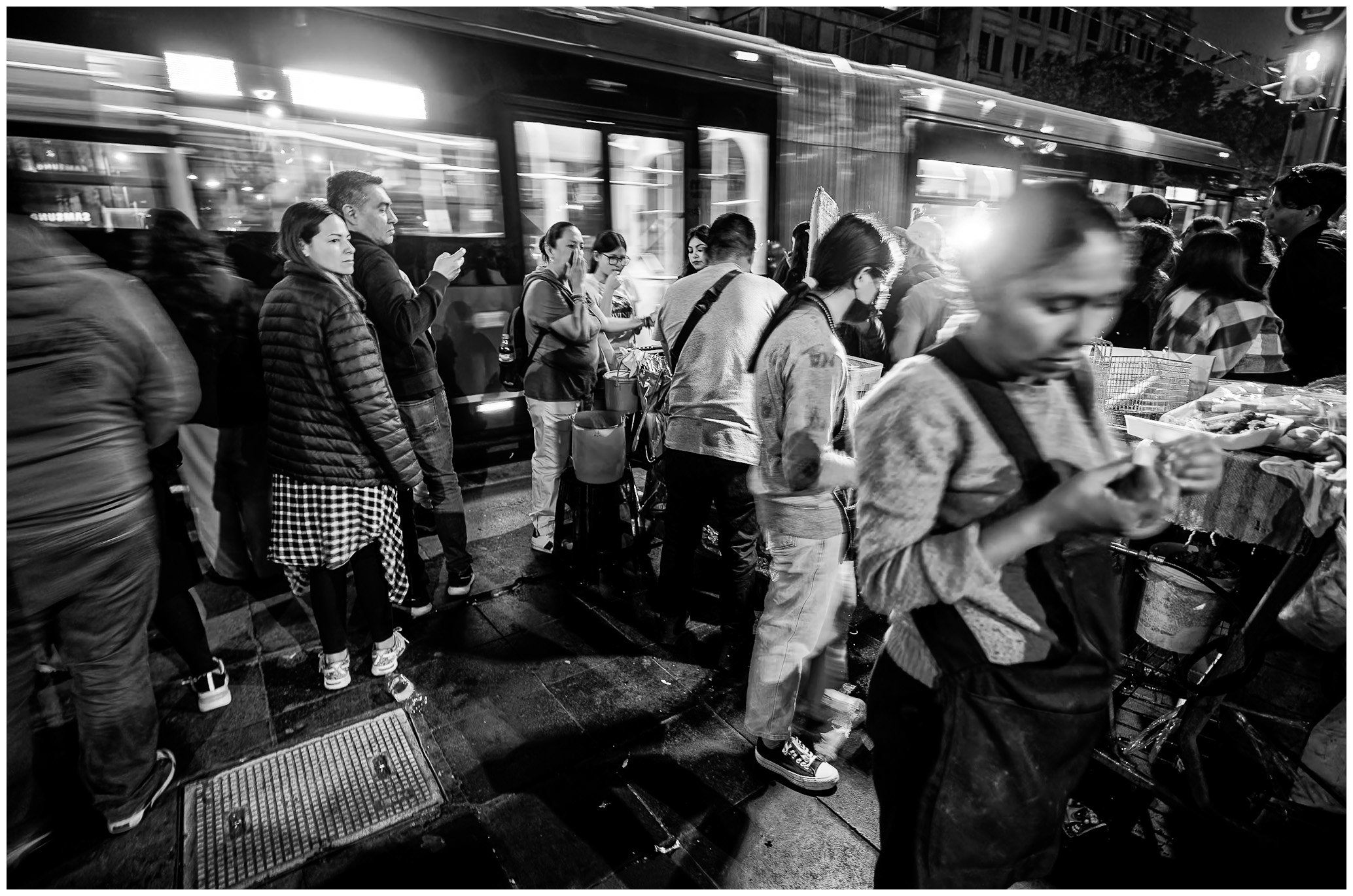
With that said, allow me to leave you with a glimpse of recent and not-so-recent moments captured during my walks through the vibrant streets of Mexico City.









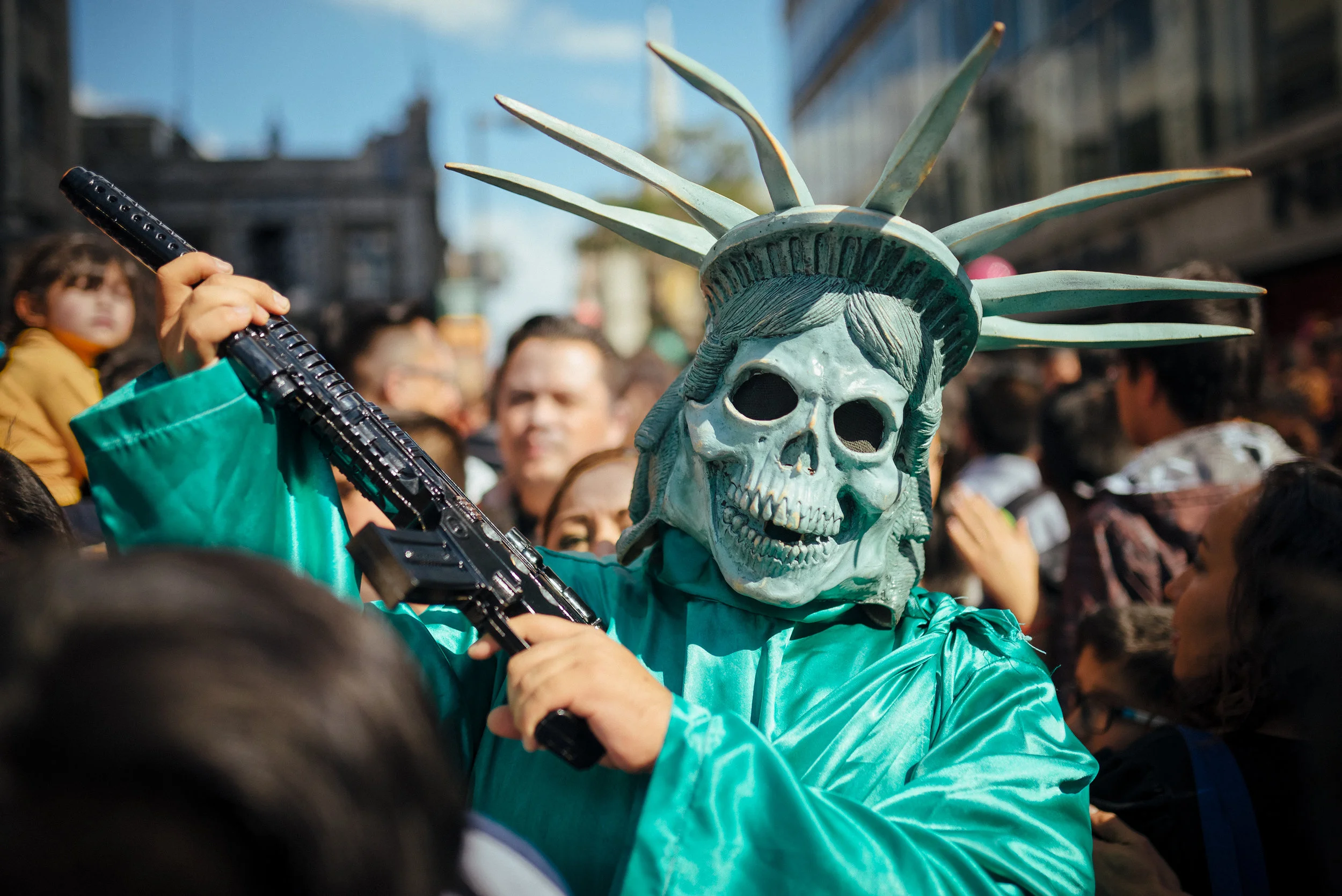
Land of the free, that was?
The ongoing debate over flags, statues, and historical symbols in America highlights a troubling pattern: a selective appreciation of history that serves the interests of a few, often at the expense of a more honest narrative. This dispute isn’t just about monuments—it’s about who gets to define what it means to be American.
It’s striking to recall that, just before the tragedy in Charlottesville, many had already begun to forget the heated exchange between Stephen Miller and CNN’s Senior White House Correspondent Jim Acosta. Their debate over the historical significance of the poem inscribed at the base of the Statue of Liberty was a preview of the larger ideological battles to come. Miller dismissed Emma Lazarus’s famous words—“Give me your tired, your poor, Your huddled masses yearning to breathe free”—as an afterthought, a mere addition that came long after the statue was erected. By his logic, the poem was irrelevant to the statue’s original purpose as a symbol of liberty.
Yet history tells a different story. The poem, donated by Lazarus in 1883 and inscribed on the pedestal in 1903, was more than a decorative flourish—it was part of a broader effort to fund the statue’s installation. More importantly, Lazarus herself was deeply engaged in helping Jewish refugees fleeing anti-Semitic pogroms in Europe. Her words transformed the Statue of Liberty from a mere monument into a moral beacon, a promise to the world’s oppressed.
To diminish that legacy is to rewrite history. And as this debate rages on, it’s clear that the struggle over America’s identity is far from over.

Though somewhat technically right, Miller’s understanding of what Lady Liberty stands for is farther from the truth than he would care to admit given his history and policy hopes for the nation; Miller, known for his dark nationalist speeches written for President Trump, is among a few white nationalists at the White House —including President Donald Trump— hoping to take back America for whites who perceive themselves as repressed and threatened by people ethnically, morally, and religiously inferior themselves. Historically, America has been down this road before with the likes of the Know Nothing Party in the late 1850s and again in early 20th-century with the rise of eugenics and nativists policies that lead to sterilizations and the 1924 Immigration Act; the latter sought to restrict the flow of immigrants down to white Nordic types. Poor Italians and Irish were at the time viewed as inferior with their Catholic faith representing a moral threat to white, Protestant values.
Miller would serve his intellect well by paying attention to a widely ignored historical fact: that the Statue of Liberty was birthed in the mind of abolitionistÉdouard René de Laboulaye —presidentin the late 1800s of the French Anti-Slavery Society; furthermore, though the statute was gifted to the United States of America in commemoration of its 100th birthday, Labloulaye sought to honor the victory of the Union army in the Civil War and its consequences, which included the emancipation of black slaves --keep in mind those chains at the feet of the statute (see [Black Statue of Liberty - Summary Report - Statue Of Liberty National Monument (U.S. National Park Service)](http://bit.ly/2wKKoZi)).
As Americans, we need to ask ourselves why some of us are still dangerously clinging to a delusional and false historical romanticism involving traitors and immoral slaveholders who sought to keep slavery alive at the expense of a nation that was set on the cornerstone that all men were created equal. Why not seek to remember or rediscover the origins and the meanings of those symbols that unite us as Americans and define the struggle to nurture the values of freedom and liberty we claim to uphold? The Statue of Liberty and Emma Lazarus' sonnet are a good place to start if we are to query and memorialize those images, and words, that are meant to unite in lieu of picking at unhealed, festering wounds.
Colossus
Not like the brazen giant of Greek fame,
With conquering limbs astride from land to land;
Here at our sea-washed, sunset gates shall stand
A mighty woman with a torch, whose flame
Is the imprisoned lightning, and her name
Mother of Exiles. From her beacon-hand
Glows world-wide welcome; her mild eyes command
The air-bridged harbor that twin cities frame.
“Keep, ancient lands, your storied pomp!” cries she
With silent lips. “Give me your tired, your poor,
Your huddled masses yearning to breathe free,
The wretched refuse of your teeming shore.
Send these, the homeless, tempest-tossed to me,
I lift my lamp beside the golden door!”
- Emma Lazarus

A matter of faith
Image made during an Evangelical Christian parade along 5 de Mayo in downtown, Mexico City.
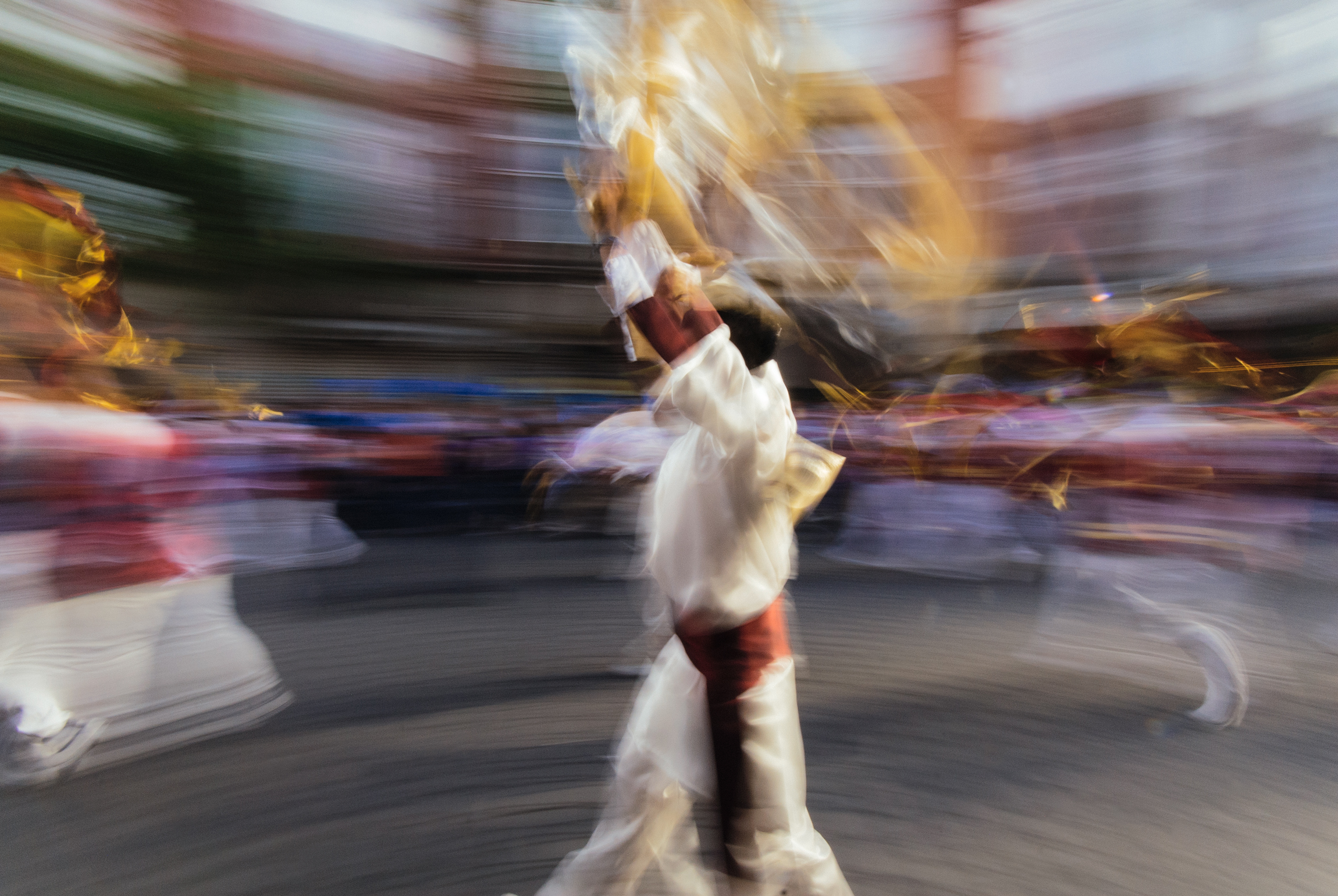
An image I captured in Mexico City's Historic Center in 2013. It was the first time I had seen a major Christian Evangelical exhibit representing the Evangelical movement in Mexico and in great numbers. The Catholic religion is the primary faith in Mexico yet it appears that in recent decades there has been a surge in the number of people flocking to other faiths the Vatican depicts as sects and false religions.
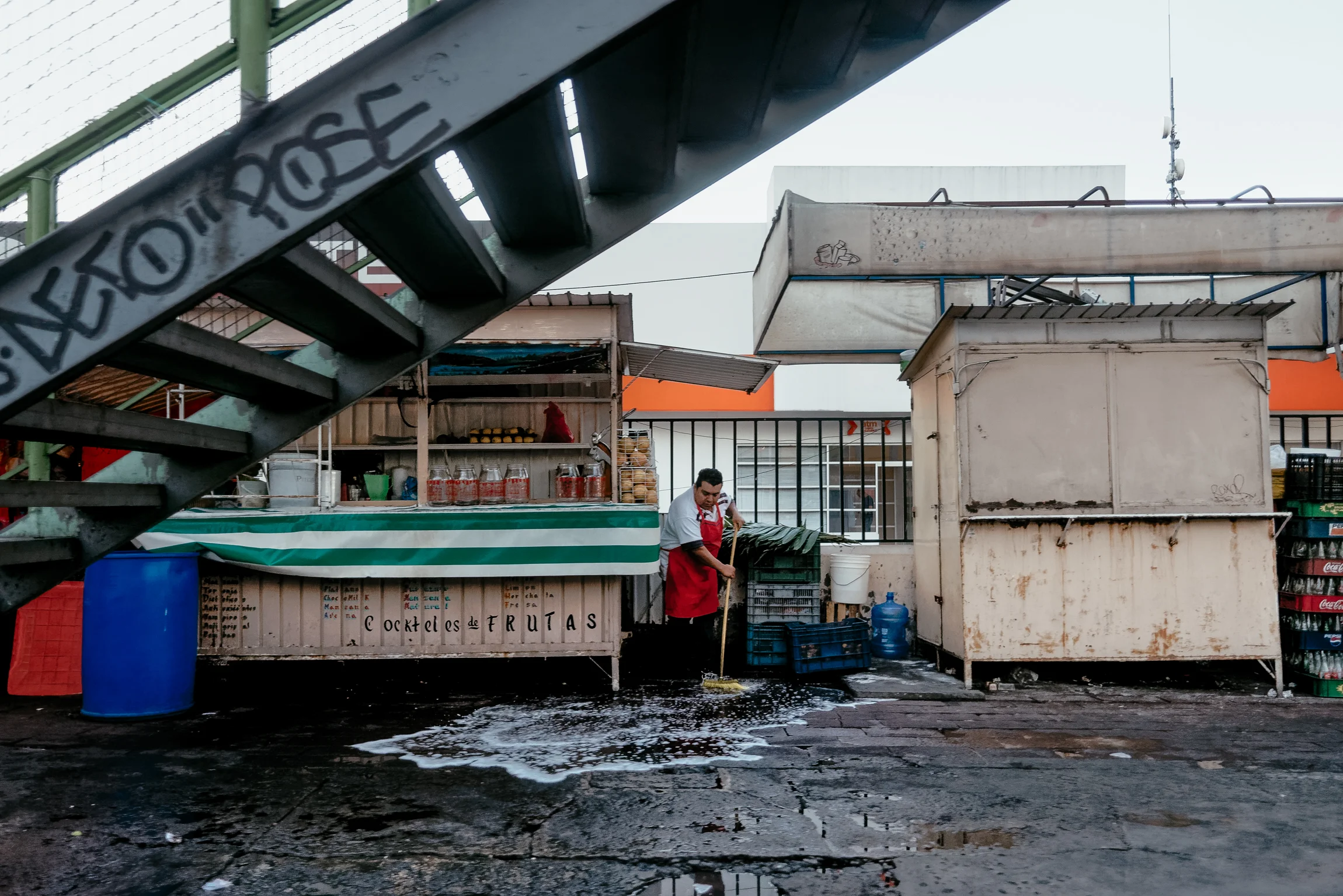
Scrub
An afternoon scrub after the rain somewhere along Canal de Miramontes in Coyoacán, Mexico City.
Keeping things clean is a common struggle in this city. Sometimes, dust just seems to appear out of thin air within seconds of its removal. This sweeping and scrubbing of sidewalks is a practice that still intrigues me given

Metro Zócalo
Woman selling on the steps of the Zócalo Metro exit/entrance.
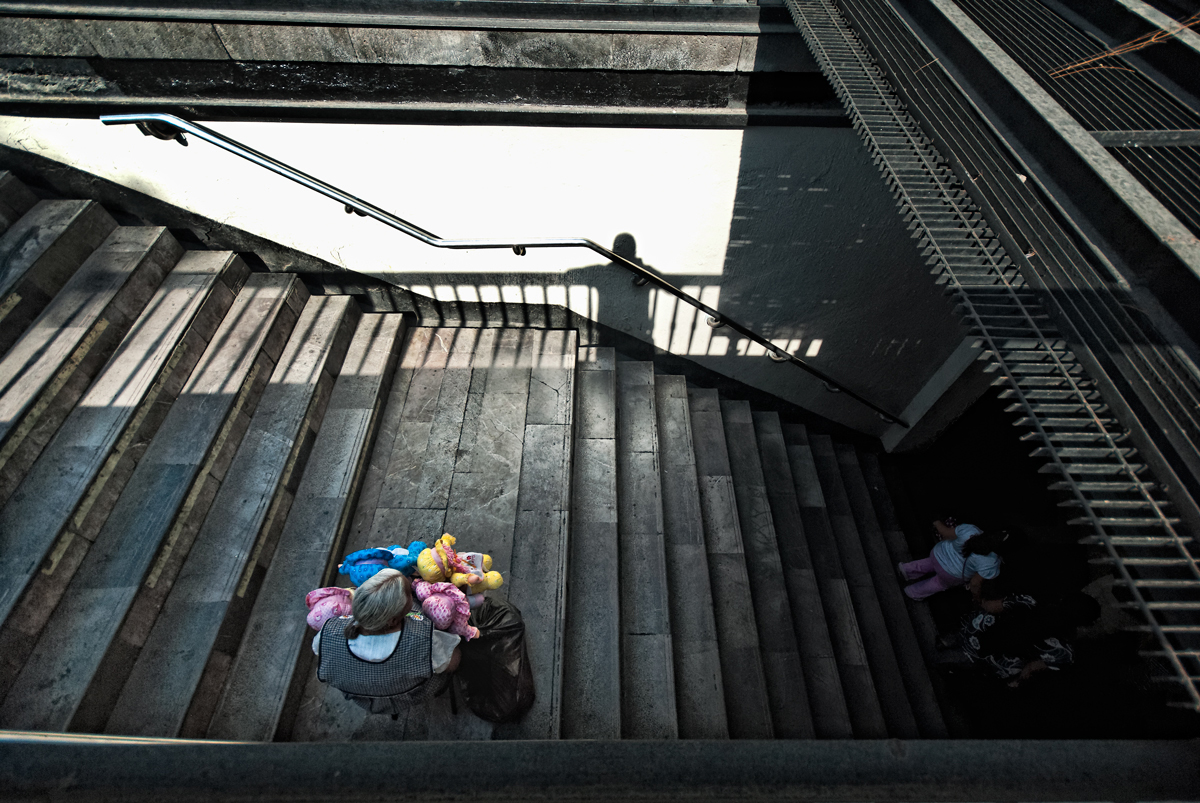
An elderly woman vending on the steps of the Zocalo Metro station in Mexico City.
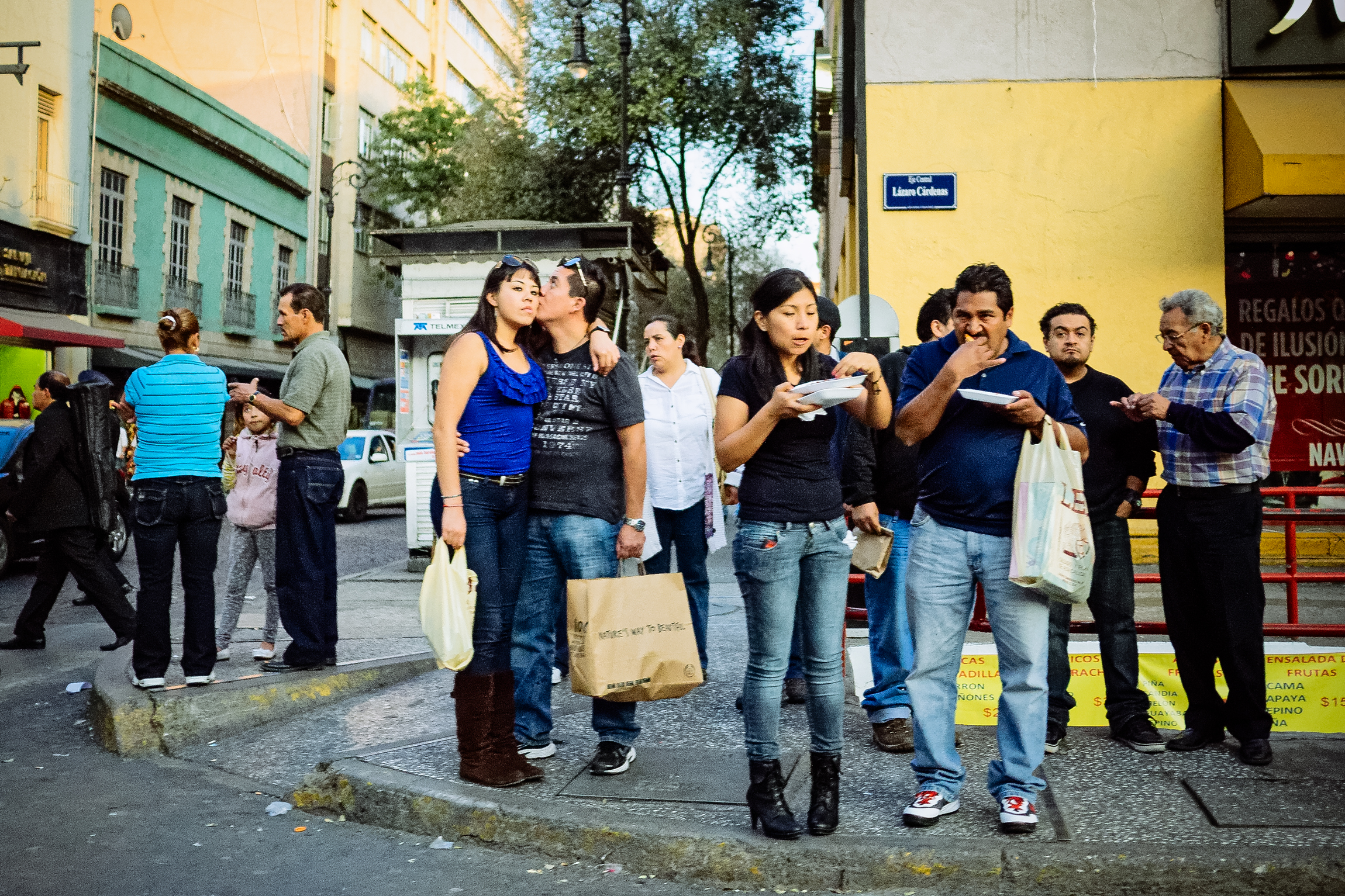
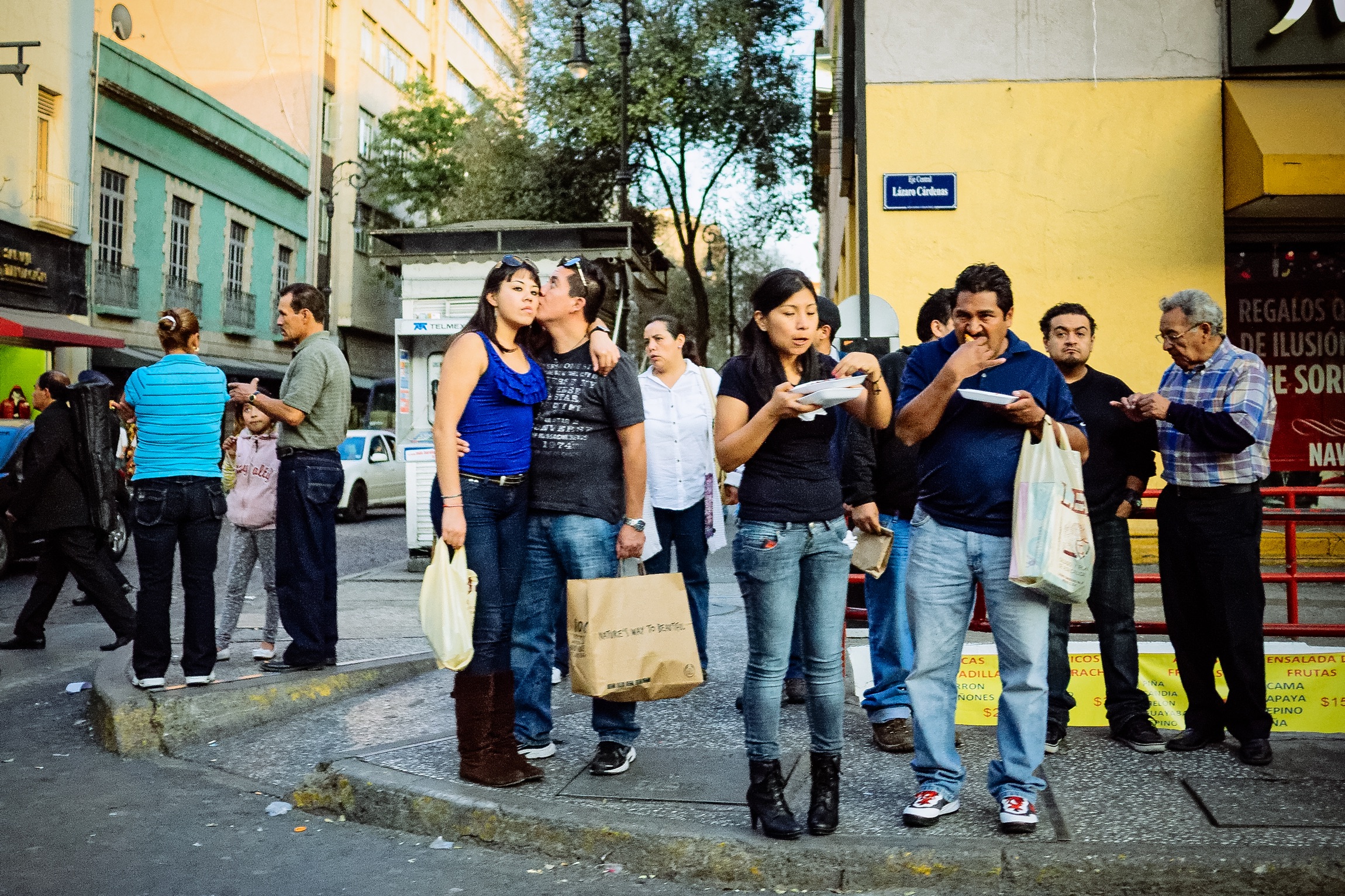

The exit and the entrance --all the same to me.
Exit to Francisco I. Madero in Mexico City's downtown.
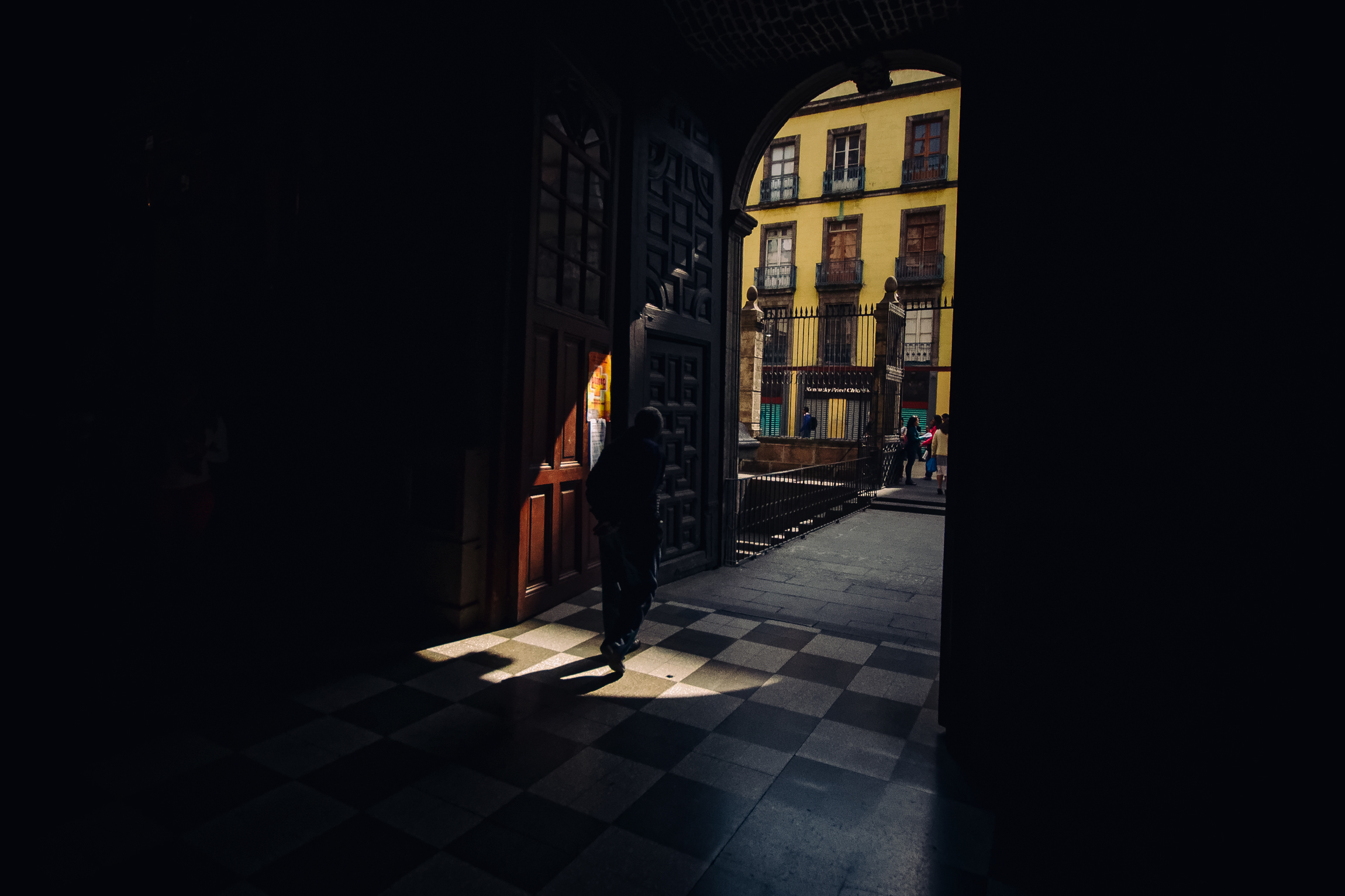
The word is out that in spite of the low misery index in the U.S.A. the race for the party nominee for president on both political spectrums proves Americans are none the less angry. Perhaps, I really don't know; I am in Mexico and it's not that I can care less as I am an American living abroad.
No matter where we live in this world we all want to be happy and what makes people happy changes from culture to culture. In the end, I guess, we are all looking for the light at the end of the tunnel when things get dire
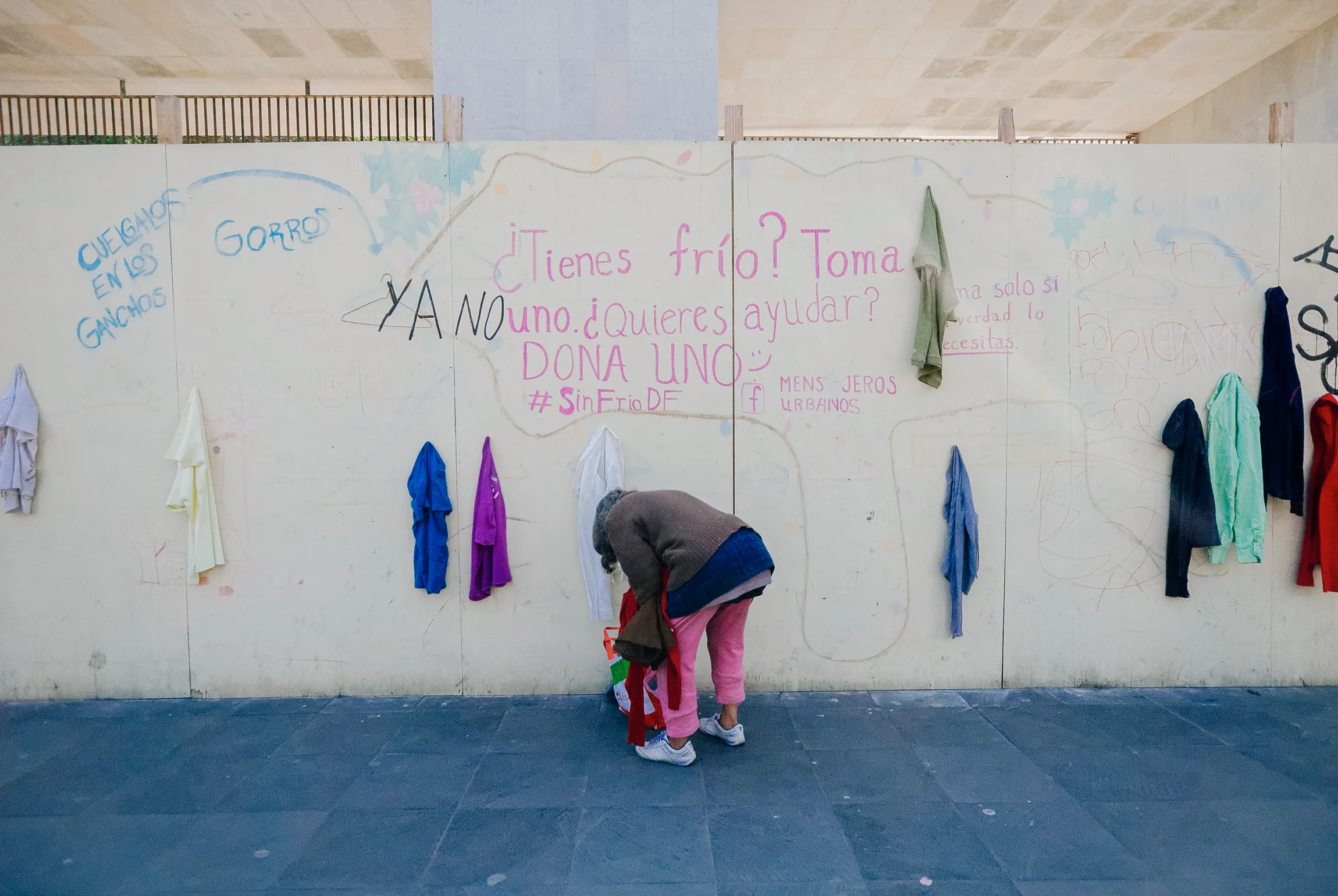
¿Tienes frío? (Are you cold?)
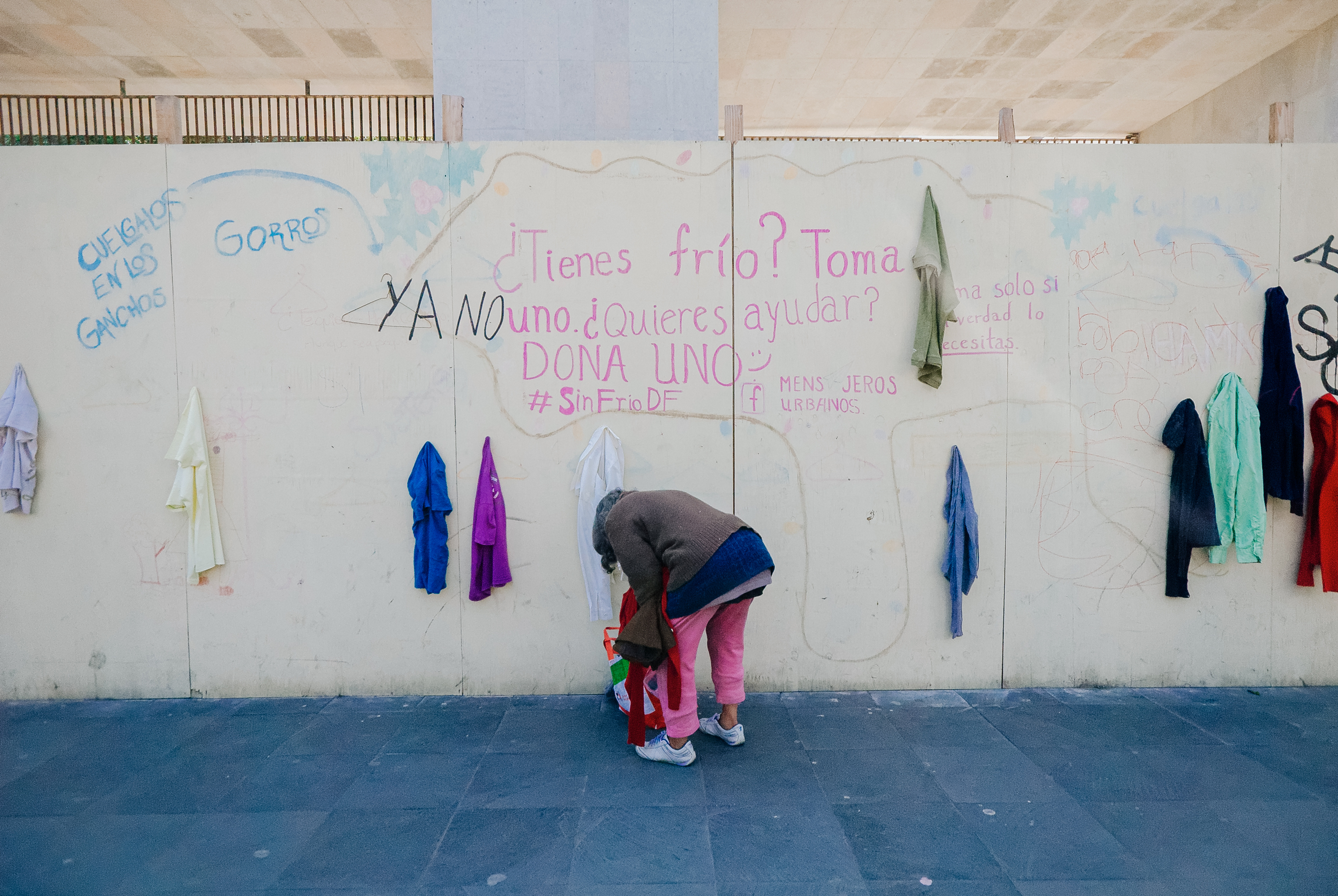
A woman reaches for a sweater donated by the public in Mexico City. A group of journalists and photojournalists kicked off a campaign this winter labeled with the Twitter hashtag #SinFrioDF to get folks to donate clothing to those in need.
I get asked these days by friends and family abroad about how Mexico is doing. Almost immediately an image of former President Carlos Salinas on the cover of Time Magazine in 1993 with the headline "Mexico Is Looking Up" flickers across my mind followed by the rest of significant events since then. Indeed, in spite of the economic turmoil that ensued in December of 1994 as the Mexican peso plunged things did take a turn for the better shortly thereafter. The party lasted a while as NAFTA began to take root and the world economy boomed. Mexico could have used this period of growth to diversify its economy, but didn't and the opportunity was ignored at a hefty price: its future.
Today Mexico is struggling to stay on its two feet as it fights destructive gusts from internal and external whirlwinds. Dreams of one day joining a dwindling middle class are being crushed as poverty rises in a country where approximately 50% of the population already faces extreme economic hardship and reduced life chances. Inflation on some basics suffered significant increase according to some figures released at the start of the year while the current administration lives in denial of both the rise in deaths from the drug war as of 2014 and the impact of the commodity and currency crisis on the nation's economy. Just to think where things could be taken if the people who could make a difference were concerned with being transparent about the issues. Recognizing a problem brings you that much closer to fixing it, if it's not too late of course.
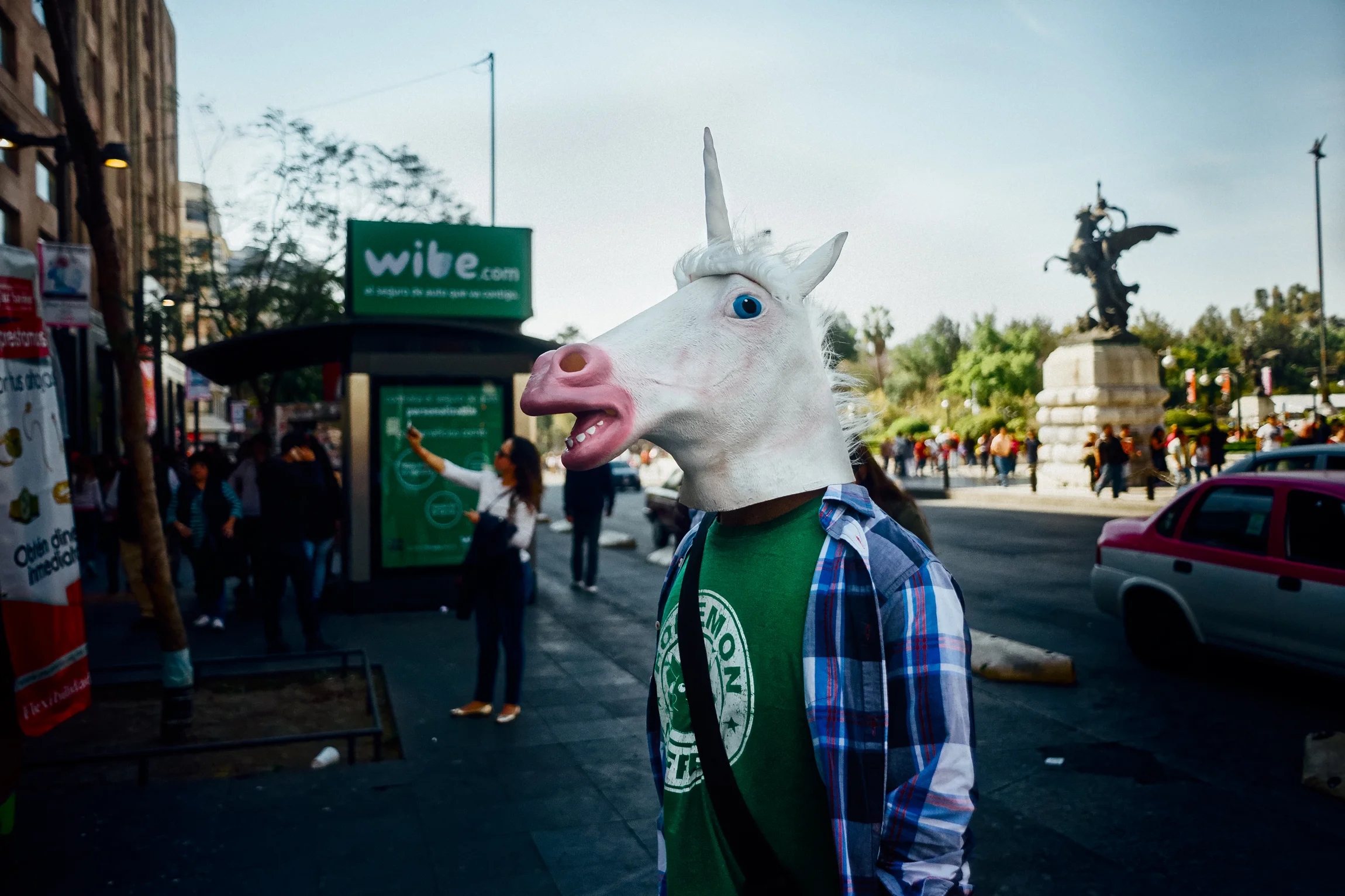
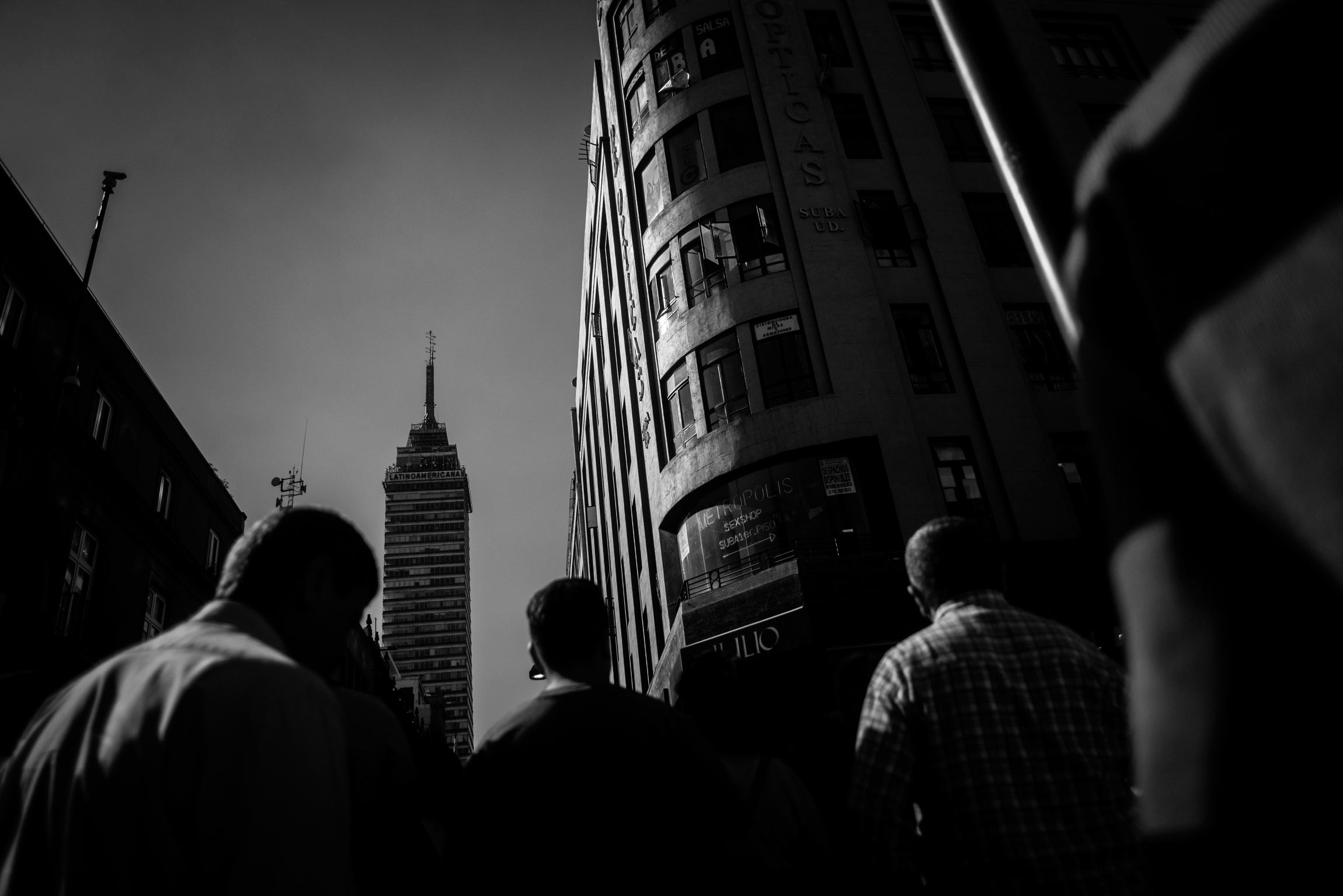
Tower, light, and people
Downtown Mexico City looking towards one of Mexico City's most iconic landmarks.
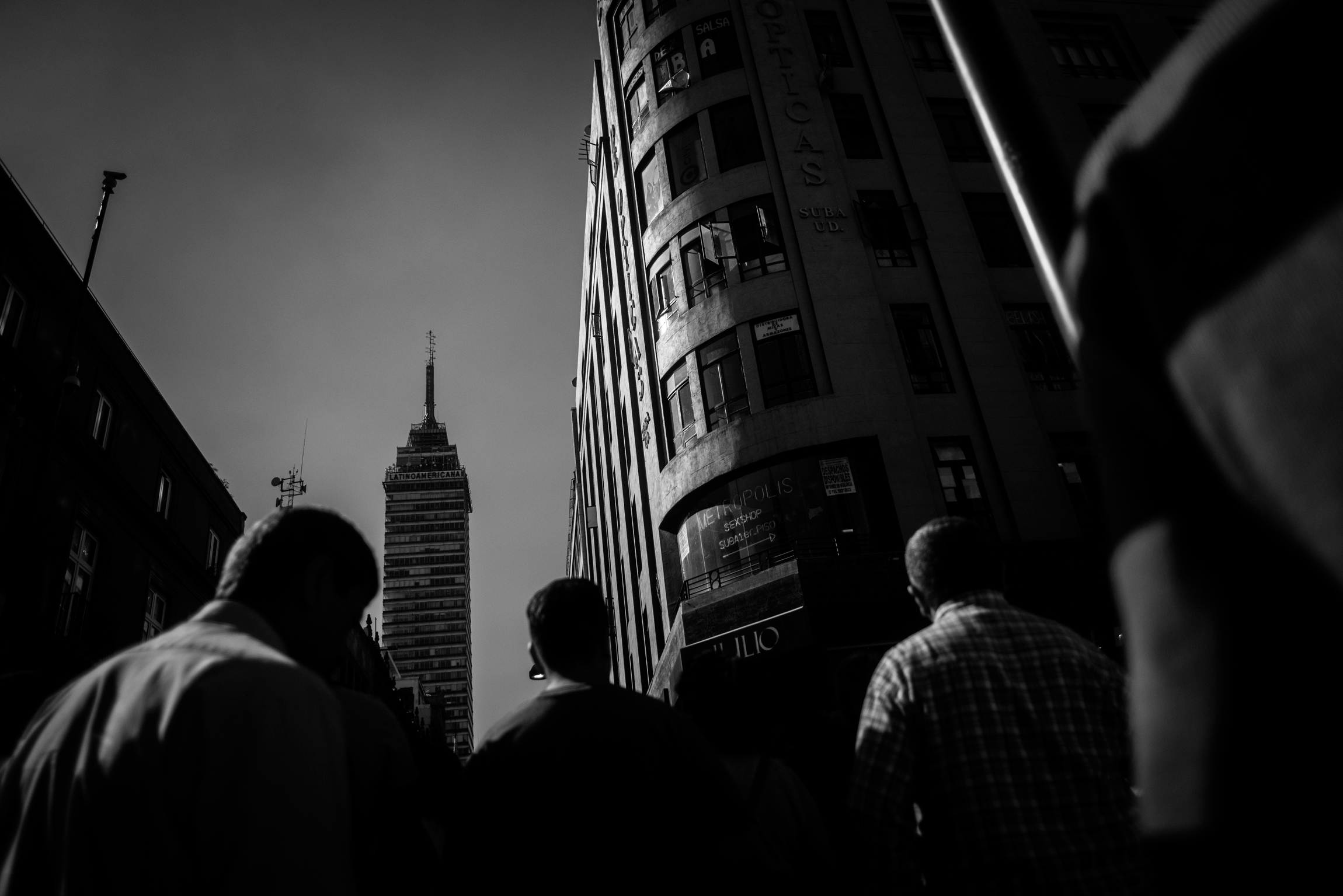
A view towards Mexico City's iconic Torre Latino Americano from Av. Francisco I. Madero in the Centro Historico.
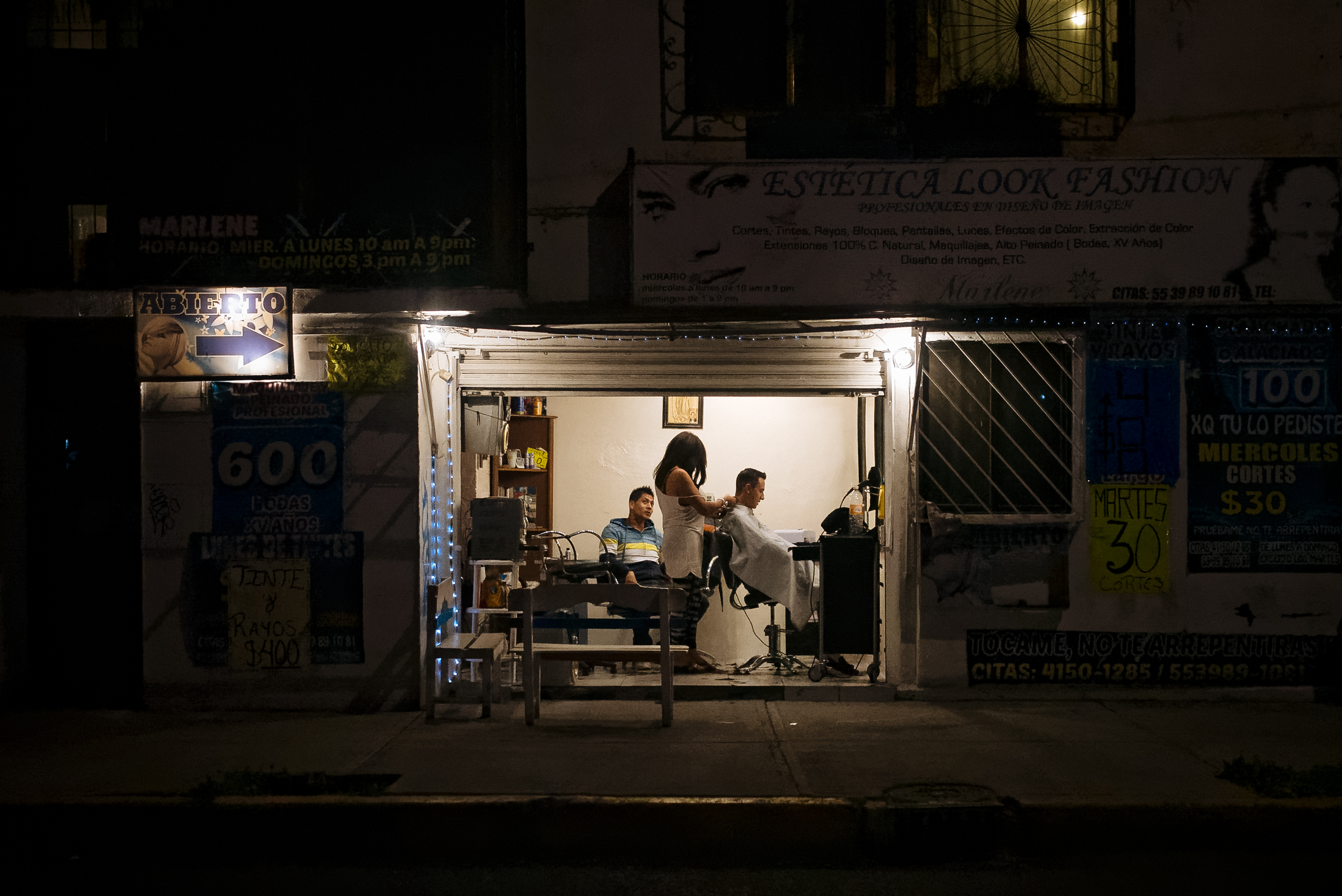
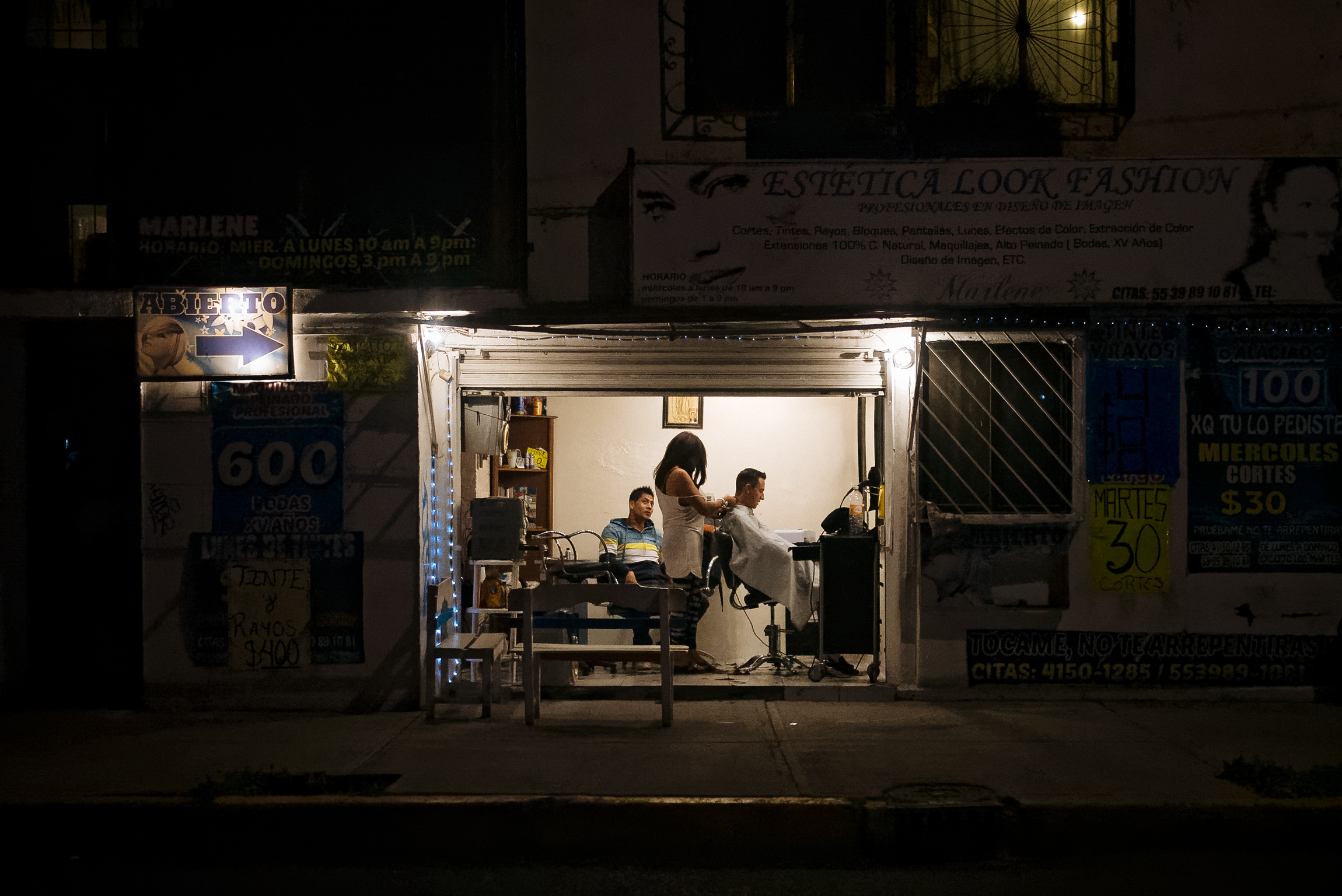
Hair Cut
An evening haircut somewhere in Coyoacan, Mexico City.
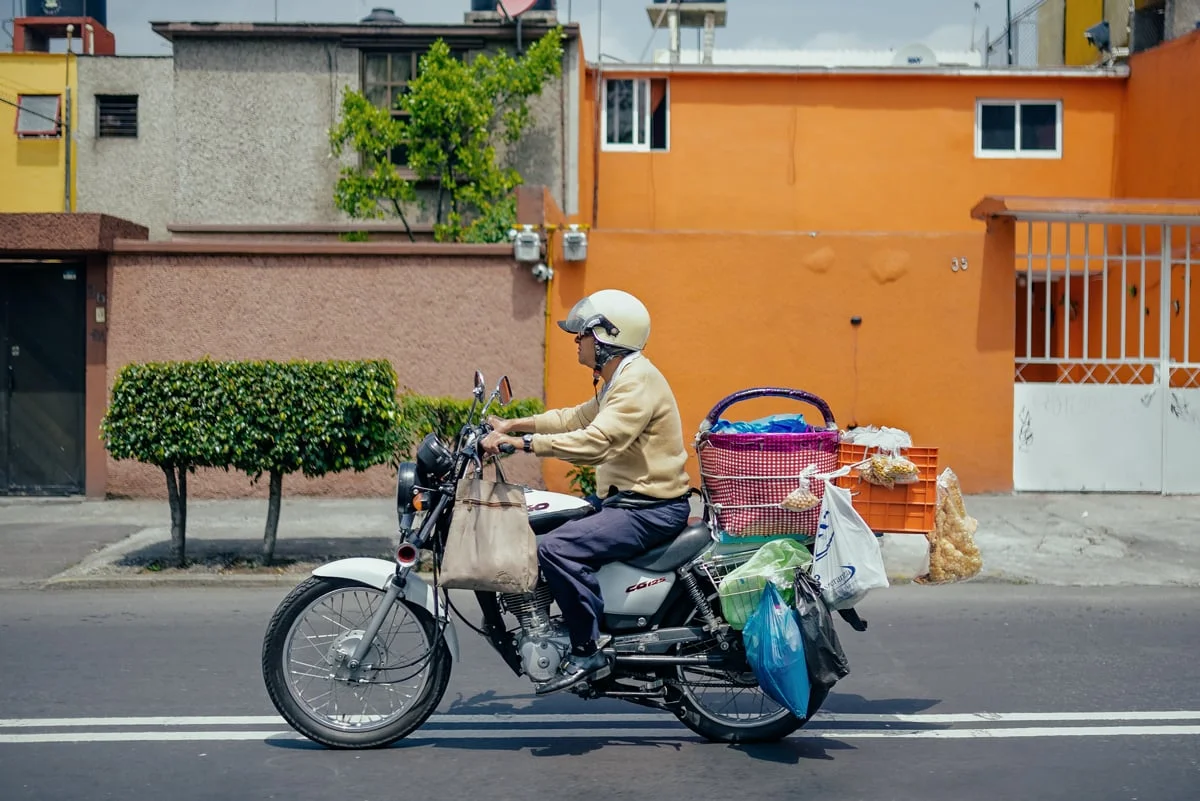
The Mexico to the American greenback exchange rate hit an all-time-high of 18.90 pesos per one U.S. Dollar. Good for those folks earning and spending in Dollars, especially tourists thinking of coming down to Mexico whose Franklins and Jeffersons will go way further than in the past --a not too long ago past at that.
The aforementioned is a symptom of several economic and financial factors I won't bore you with. The fact remains, in spite of all the numbers the Mexican government keeps throwing out to the public, things are NOT looking up for Mexico given internal and external dynamics. The facts are there for all to see. Then again, seeing is not believing for many folks; a better descriptor of human nature is: what do you believe you see? Well, just look at the Donald Trump campaign in the United States. It does not matter how many facts or lies you give people, they always end up falling on what they choose to believe and even facts can be used to build a worldview based on lies.
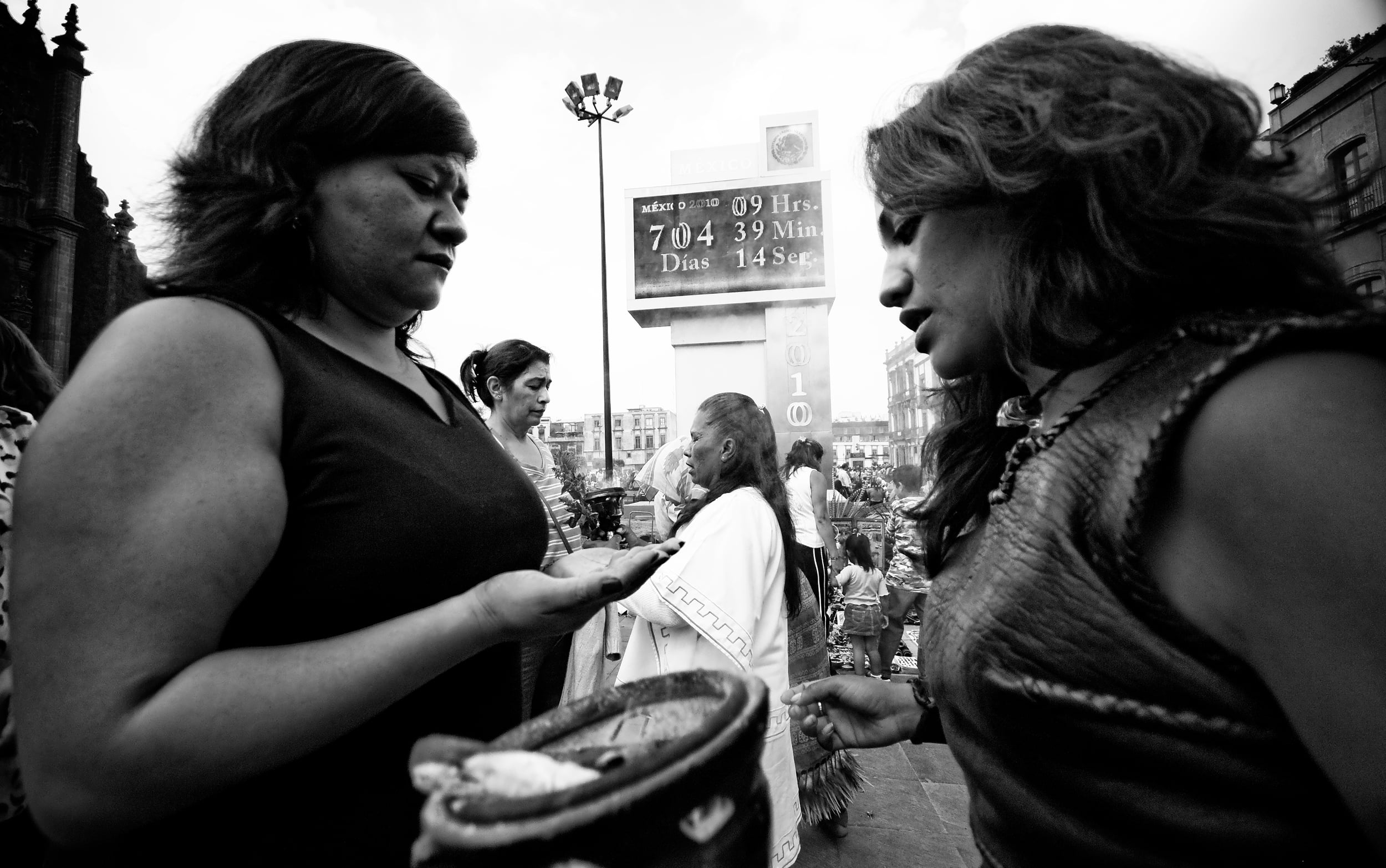
Countdown
Cleansing ceremony at the Templo Mayor -Zocalo de la Ciudad de Mexico-- circa 2008.
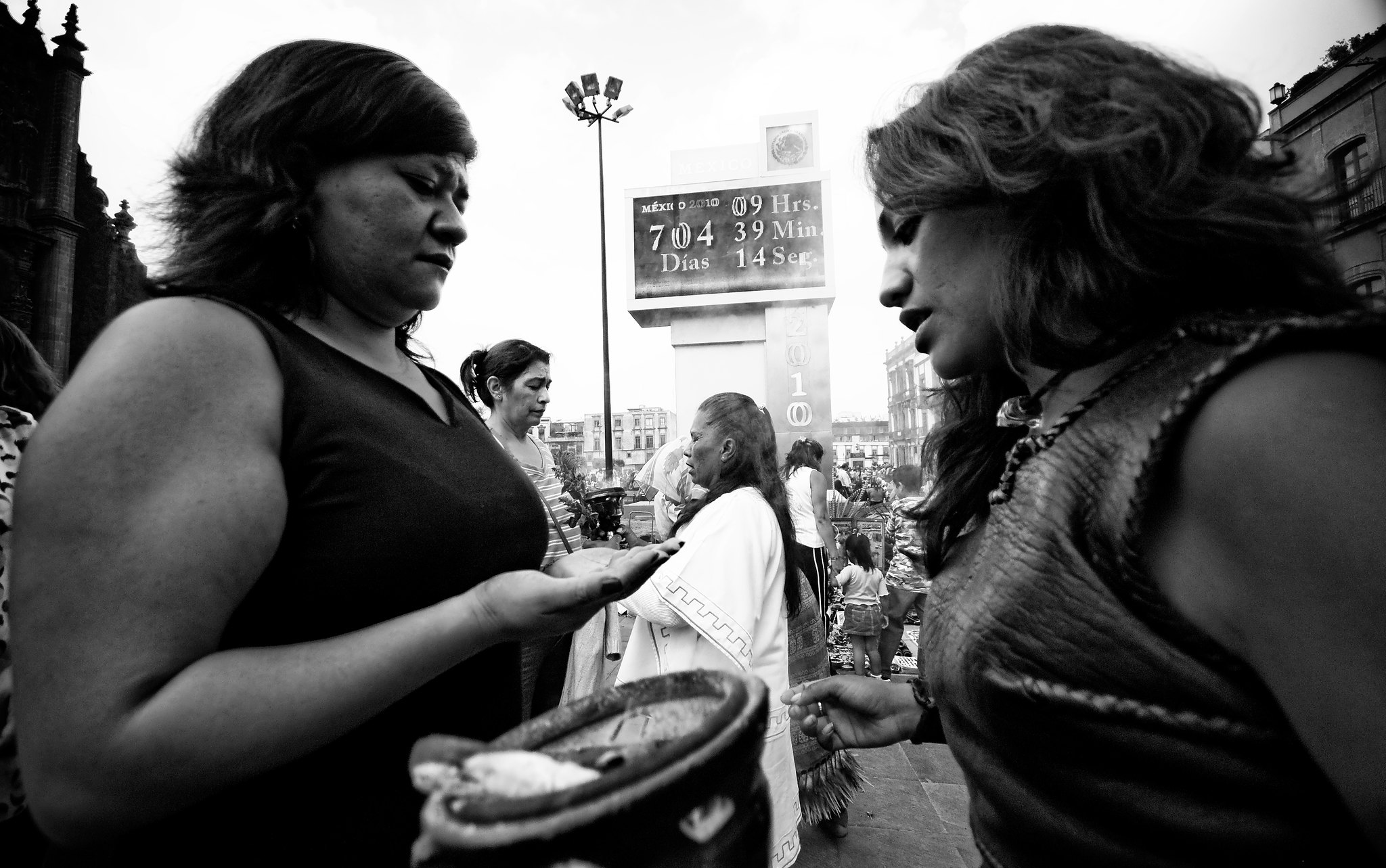
An image made in 2008 when the Templo Mayor area was characterised --in part-- by the presence of shaman offering their services right beside the catholic temple (Situated behind the lady on the left.).
In the background a clock with a countdown to Mexico's 2010 bicentennial celebration of its independence from Spain.
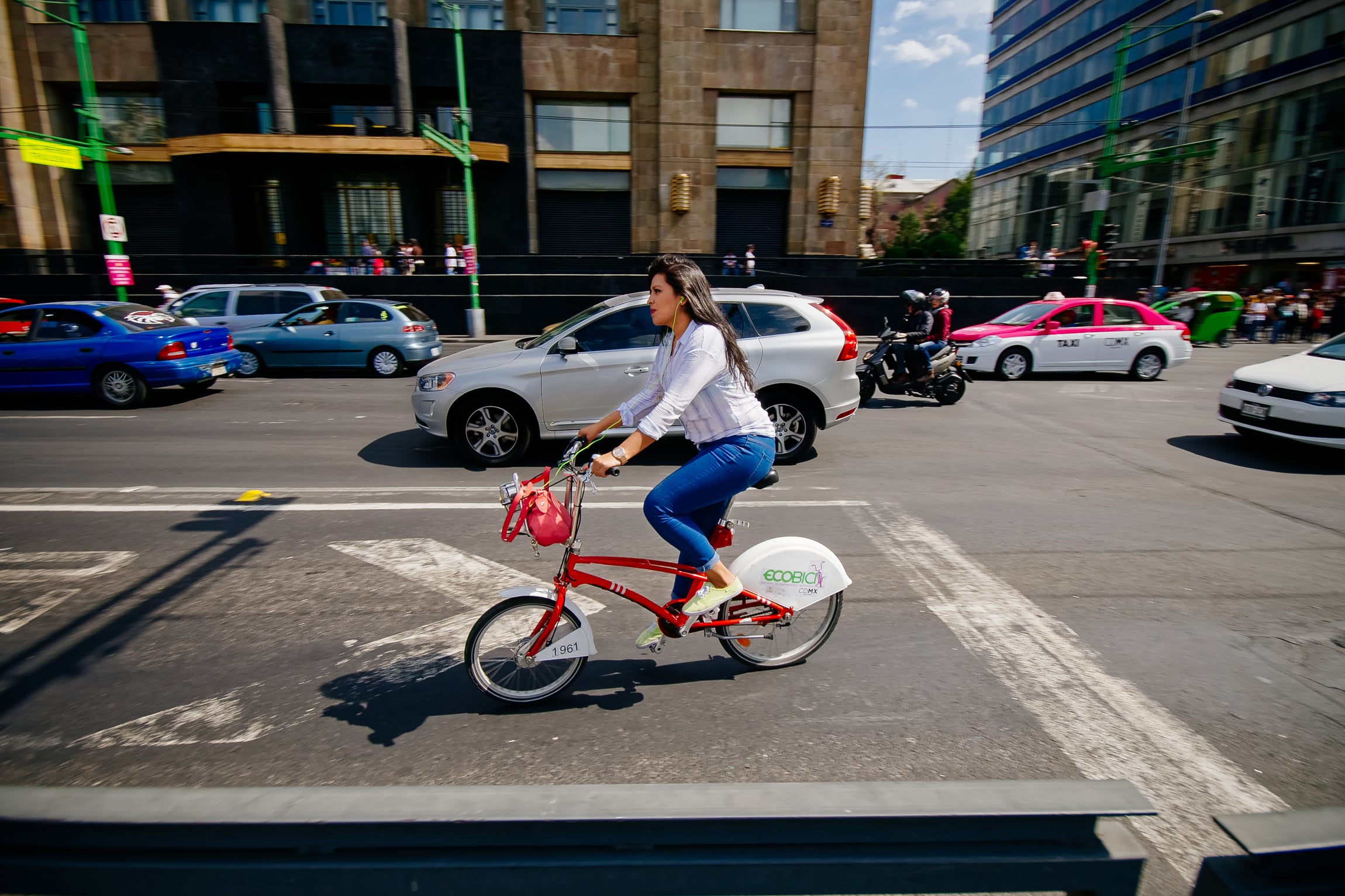
Saturday Ride
Transporte público en el D.F.
Young lady riding a public eco bike that have been established as part of Mexico City's urban transit system.
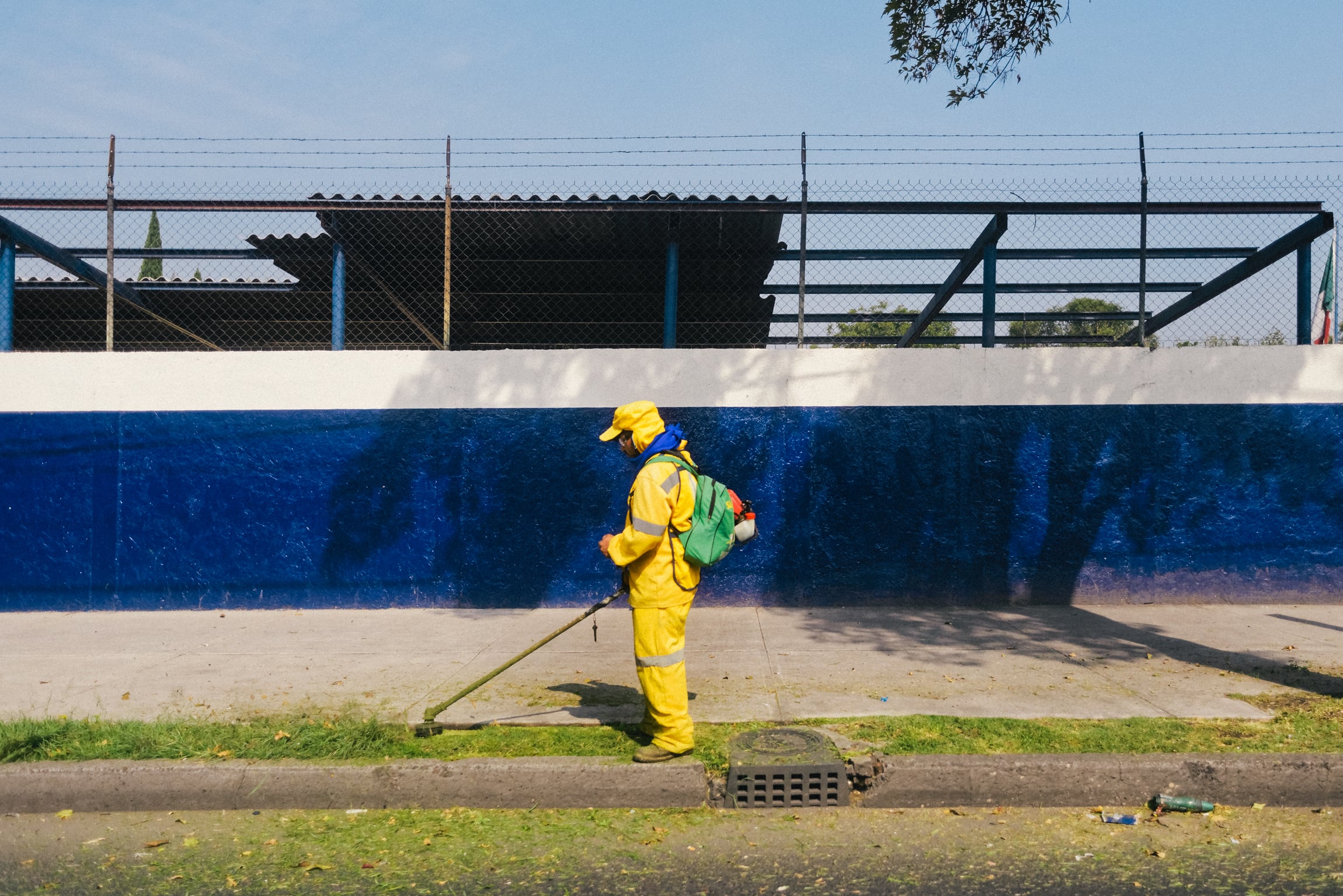
Urban Minion
Trabajador municipal en la Delegación Coyoacán - Ciudad de México.
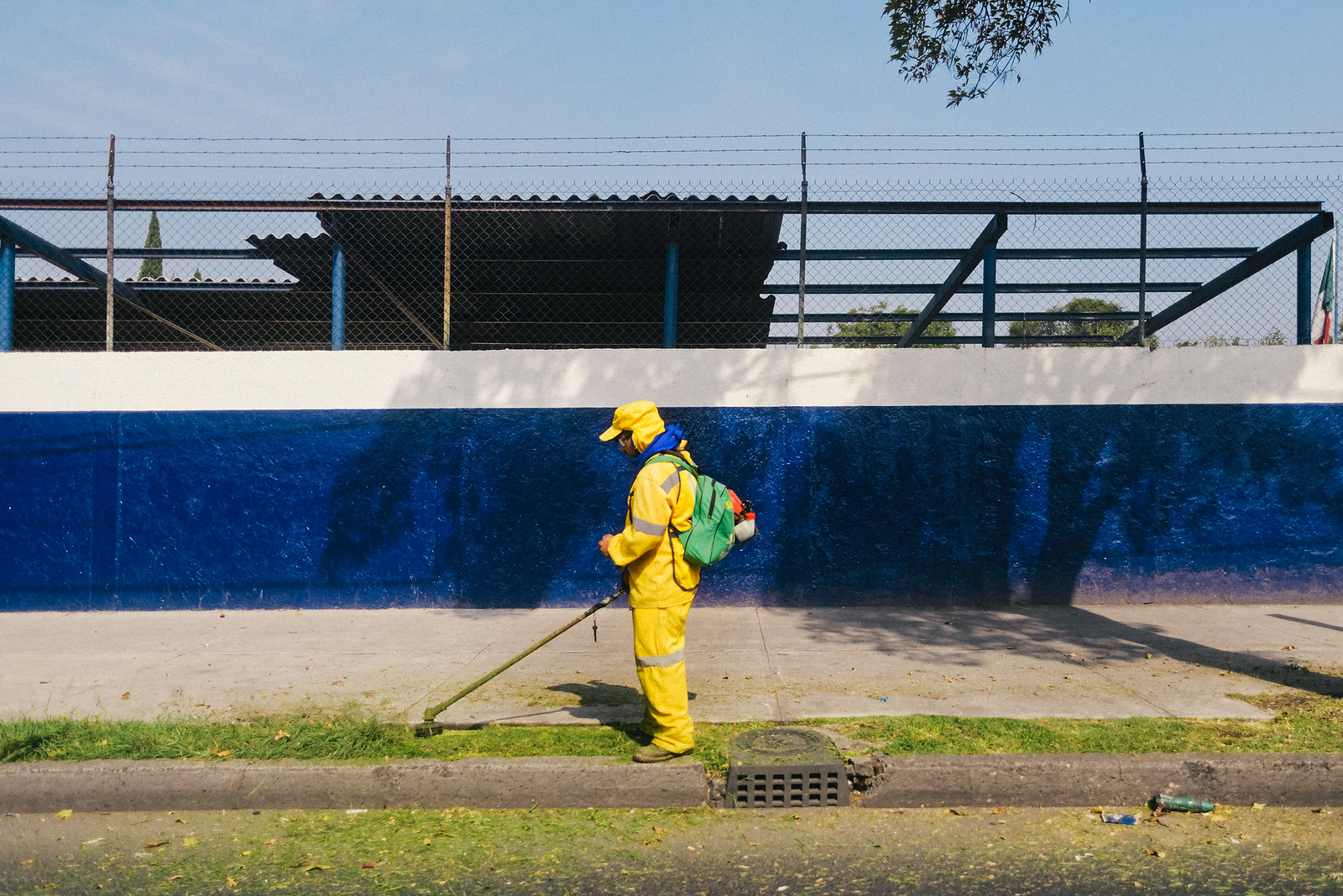
Mexico City municipal worker.

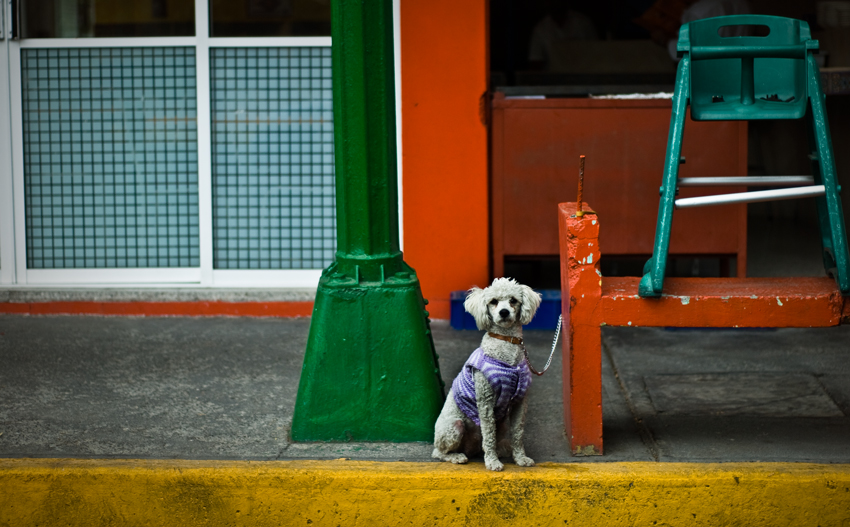
Regañado
Dog tied to a concrete seat in front of a restaurant in Mexico City.
I was thinking today about thinking. This cognitive process does not come easily to our species. We are used to letting others we call "experts" do all the complex research, analysis, and comparison of texts, ideas and what have you. We are accustomed to having others do all the repackaging of ideas and knowledge for us. Just how much of what we think we know is the sum of our own thinking and understanding or a collection of ideas and information we simply regurgitate at will?